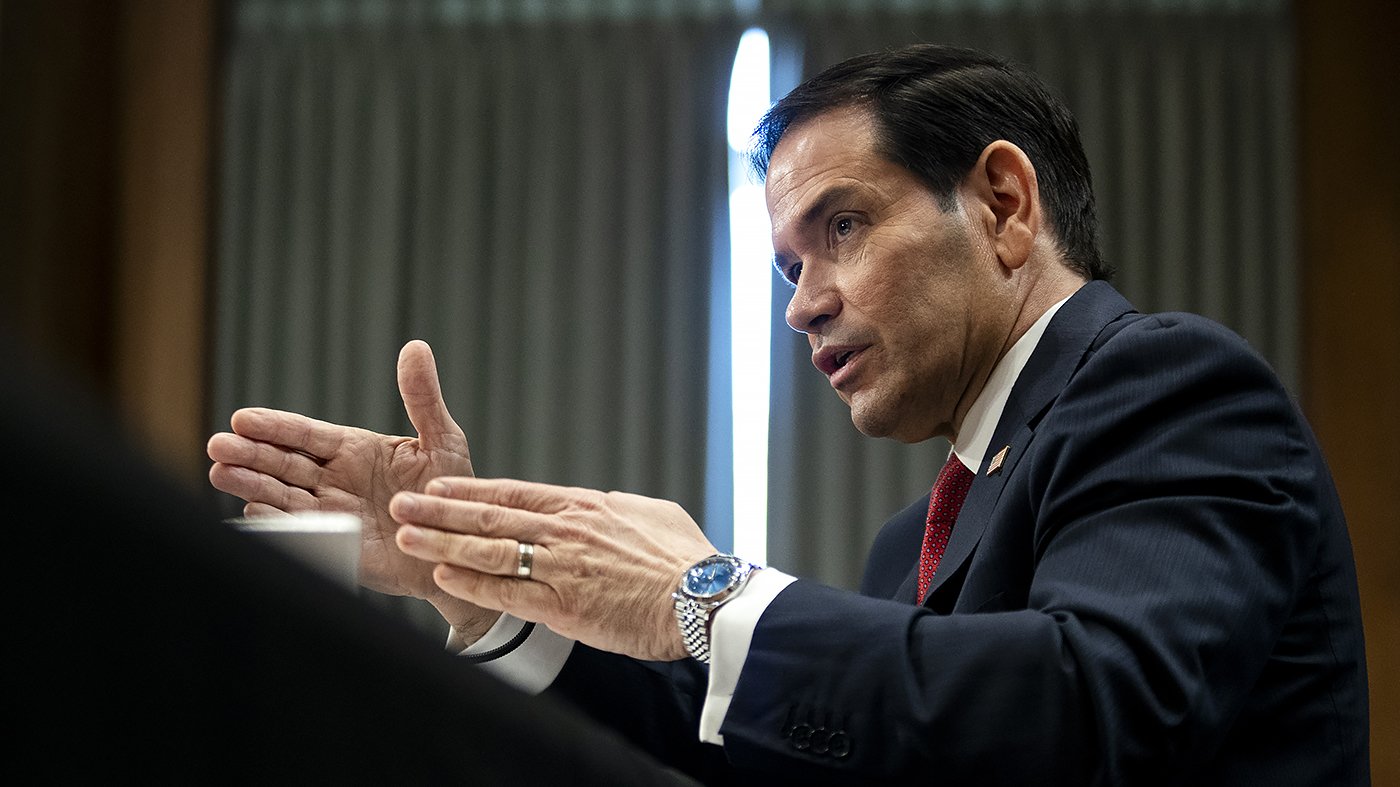
Secretary of State Marco Rubio found himself on the defensive Tuesday as Democrats on the Senate Foreign Relations Committee grilled him over the Trump administration's handling of the Iran war, stalled Taiwan arms sales, and the fallout from slashing foreign aid. The appearance marked the first of four scheduled hearings over two days, with Rubio also testifying before the House Appropriations Committee and set to appear Wednesday before the Senate Appropriations and House Foreign Affairs panels.
The exchanges were notably tense, with Rubio—who spent 14 years as a Republican senator from Florida—facing little deference from his former colleagues. Senator Jeanne Shaheen, the outgoing ranking Democrat, accused him of “stonewalling” by failing to respond to multiple briefing requests, some pending for over a year. “You would not have stood for this kind of stonewalling when you were a senator,” she said. Rubio shot back at Senator Jacky Rosen, calling her criticism of his attending a social event with President Trump during Iran negotiations “slander.”
Iran War and the Strait of Hormuz
Rubio laid out the administration's conditions for ending the conflict with Iran, hinging on Tehran reopening the Strait of Hormuz—a chokepoint for 20% of global oil and gas supplies. He ruled out any sanctions relief for that action, saying concessions would only come if Iran made verifiable moves to dismantle its nuclear program, including disposing of highly enriched uranium and limiting enrichment capabilities. This stance comes amid GOP concerns that Iran might gain too much from any deal. Senator Tim Kaine pressed Rubio on the lack of a legal justification for the war, warning that withholding the administration's legal opinion from Congress suggests “there is something in there you don't want us to see.” Kaine, a leading advocate for war powers resolutions, urged Rubio to use his influence to provide the document.
Taiwan Arms Sale Under Scrutiny
Rubio confirmed that a $14 billion arms sale to Taiwan remains under review, despite bipartisan support for moving forward. Democrats seized on President Trump's own characterization of the deal as a “negotiating chip” with Chinese President Xi Jinping, arguing it violates the “six assurances” that have guided U.S.-Taiwan policy since the Reagan era. Those assurances include the U.S. not consulting China on arms sales to Taiwan. The delay has fueled criticism that the administration is prioritizing diplomatic leverage over longstanding commitments. For more on this, see our report on Trump's Taiwan arms talks with Xi breaking decades-old US policy.
Ebola and Aid Cuts
Rubio pushed back against claims that cuts to early disease detection programs hampered the response to the Ebola outbreak in the Democratic Republic of Congo. “I think when these reforms are finalized, we will be better prepared,” he said, attributing the outbreak's spread to the region's war-torn, remote conditions. Senator Cory Booker challenged him, asking for evidence that the U.S. is as prepared now as before the Trump administration. The exchange highlighted broader Democratic concerns about the dismantling of USAID, which Senator Jeff Merkley said contributed to an estimated 500,000 child deaths. “If you were to walk across this country, you would see one dead child equivalent every, roughly, 30 feet,” Merkley said, urging Rubio to “ponder that as we strive to rebuild our programs.”
Boat Strikes and Transparency
Senator Kaine also sought clarity on the administration's criteria for striking alleged drug-trafficking boats in the Caribbean, a military operation that has killed over 200 people since September. Trump has defended the strikes as targeting “big bags of cocaine,” but Democrats demand more oversight. The administration's broader foreign policy approach has also drawn scrutiny in other areas, including Senate Democrats pushing AI restrictions on the military in the defense bill.
As Rubio prepares for Wednesday's hearings, the tone set on Tuesday suggests a deepening partisan divide over the administration's national security priorities, with Democrats vowing to keep up the pressure on issues ranging from war powers to humanitarian accountability.