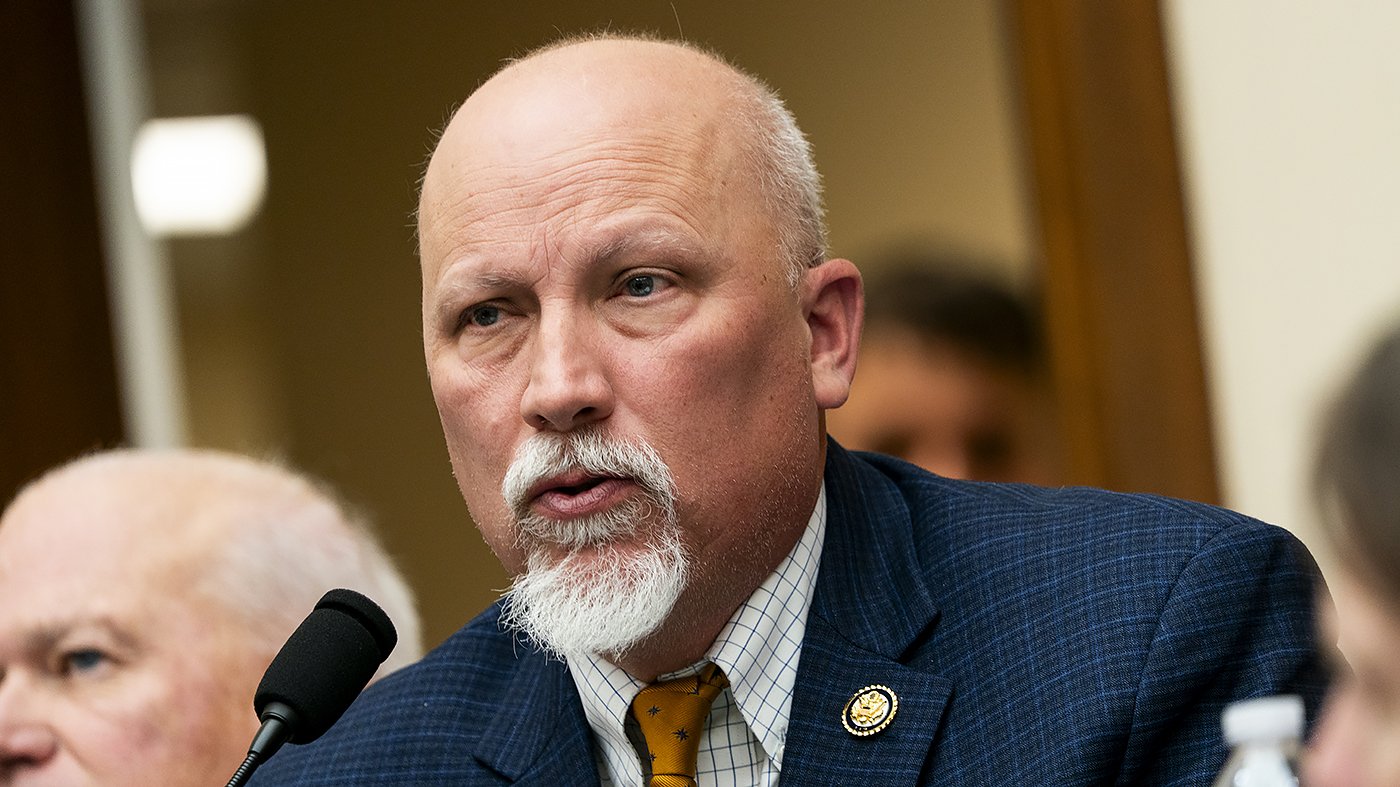
Republican Congressman Chip Roy of Texas introduced sweeping immigration legislation on Monday that would fundamentally reshape U.S. policy by barring individuals based on their political and religious ideologies. The bill, formally titled the Measures Against Marxism’s Dangerous Adherents and Noxious Islamists Act, is referred to as the MAMDANI Act.
Core Provisions and Legal Mechanism
The proposal seeks to amend the foundational Immigration and Nationality Act. It would authorize federal authorities to deport, denaturalize, deny citizenship to, or block the entry of any non-citizen who is a member of a socialist, communist, or Islamic fundamentalist party. This includes explicit mention of the Chinese Communist Party. The restrictions would also apply to any migrant who "advocates" for those ideologies, a broad term defined in the bill text to include publishing, distributing, or possessing material in support of such views.

An exemption exists for individuals who can prove their advocacy occurred before the age of 14. For the purposes of defining an "Islamic fundamentalist party," the legislation specifically lists organizations like the Muslim Brotherhood, Hamas, Hezbollah, the Islamic State, Boko Haram, and Al-Shabaab.
Political Target and Rationale
The bill’s acronym directly references New York City Mayor Zohran Mamdani, a Democratic Socialist and naturalized U.S. citizen who was born in Uganda. In a press release, Roy framed the legislation as a necessary defense of American values. "Why does the U.S. continue to import people who hate us?" Roy asked, referring to adherents of the ideologies his bill targets.
Roy, who is currently running for Texas Attorney General, argued that U.S. immigration policy has been "cynically used to disadvantage American workers’ competitiveness in favor of mass-importing the third world" for decades. He claimed this has resulted in "higher crime and lower wages, but also the promulgation of hostile ideologies fundamentally opposed to American values." He described the bill as targeting the "Red-Green Alliance" to counter a "Marxist and Islamist advance" he says has impacted Europe and is now present in Texas.
Broader Context and Previous Efforts
This bill arrives amid ongoing, fierce congressional debates over immigration enforcement and border security. It follows Roy’s previous legislative effort, the Sharia-Free America Act introduced last October, which aimed to prevent foreign nationals who observe Sharia law from entering or remaining in the United States.
The introduction of the MAMDANI Act highlights deep ideological divides within the GOP on immigration strategy, as seen in recent legislative maneuvers like the House vote to extend protections for Haitian nationals. It also comes as Department of Homeland Security officials are facing intense scrutiny from House committees over budget and funding requests.
Reactions and Implications
The Hill reported it had reached out to Mayor Mamdani’s office for comment. Mamdani, who has championed progressive policies like a municipal $30 minimum wage push and a city-run grocery store plan, has become a frequent target for conservative critics. His political profile has grown through alliances with figures like former President Barack Obama and New York Governor Kathy Hochul, with whom he has proposed taxes on luxury second homes.
If enacted, the bill’s broad language concerning "advocacy" could have significant First Amendment implications and would likely face immediate legal challenges. With an estimated 3.45 million Muslims in the U.S. as of 2017, according to Pew Research, and various active socialist and communist political organizations, the legislation represents one of the most ideologically restrictive immigration proposals in recent memory. Its prospects in the Democratic-controlled Senate are considered negligible, positioning it primarily as a political statement outlining a hardline conservative vision for immigration policy.