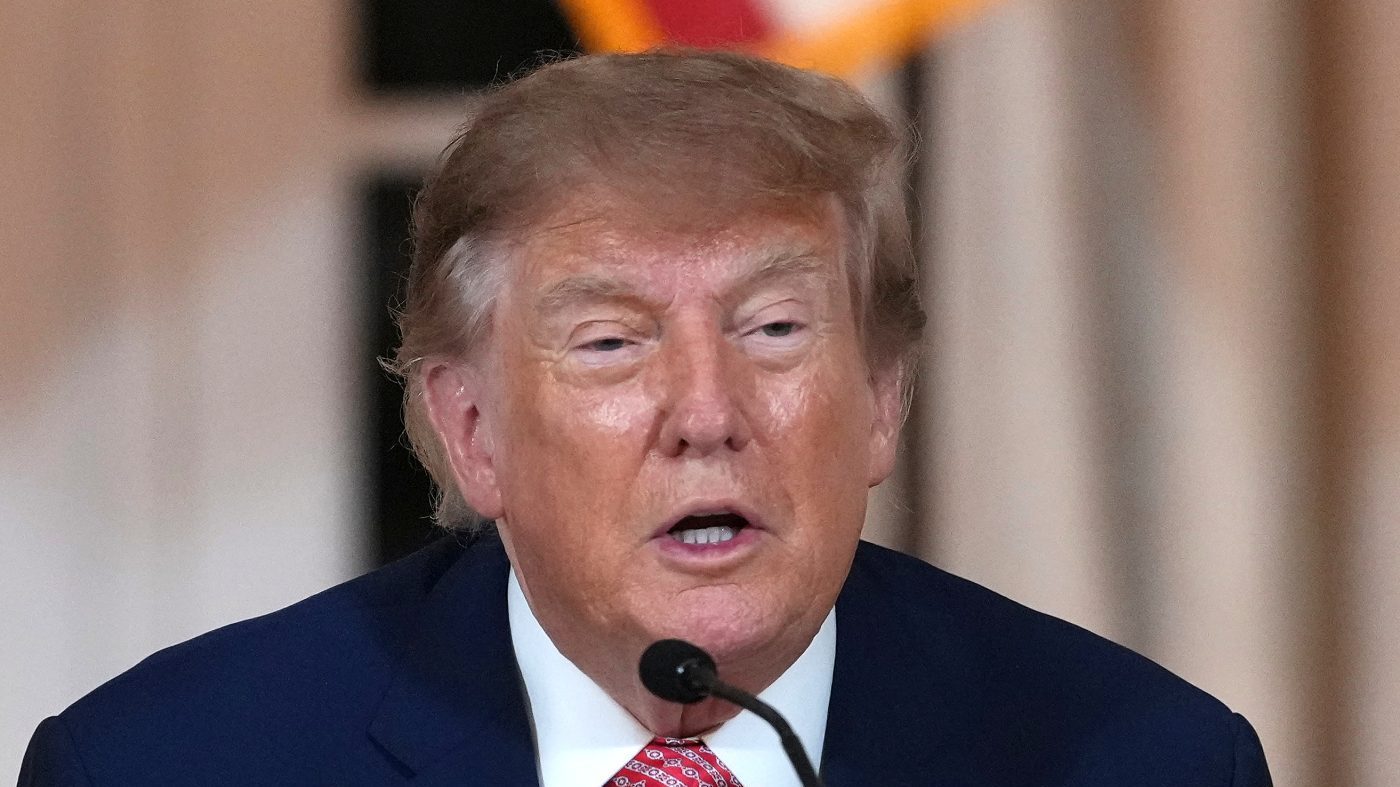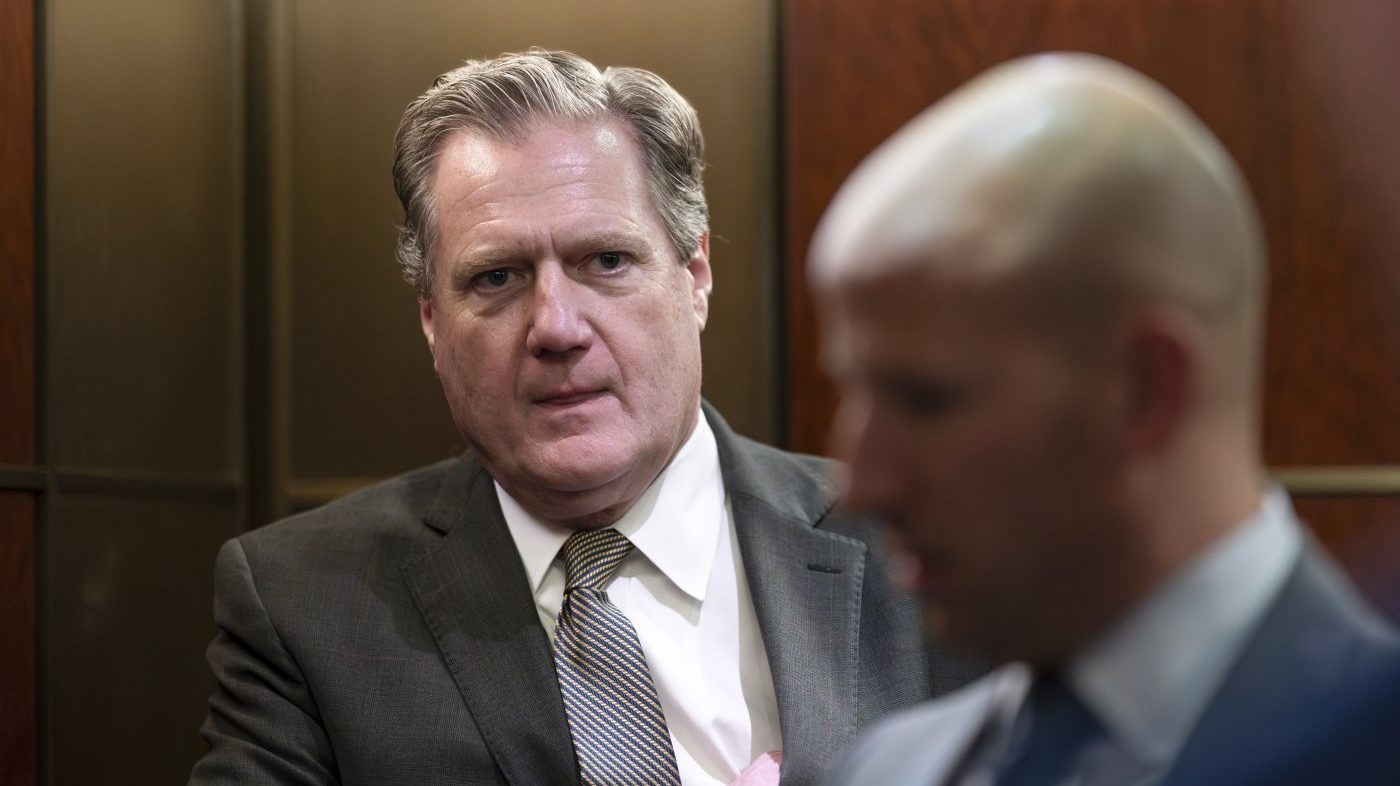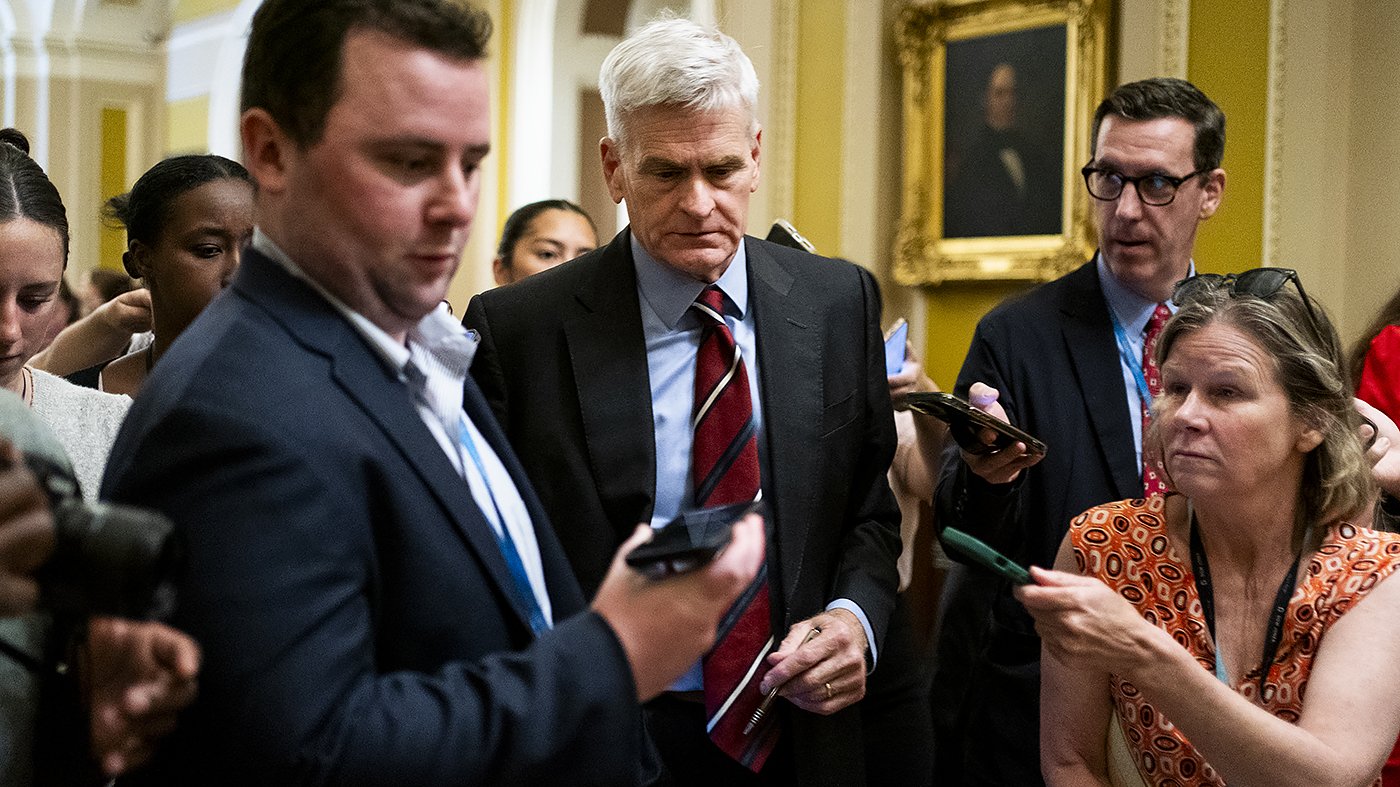
Sen. Bill Cassidy (R-La.) is at the center of a grueling Senate vote-a-rama, working to block President Trump's proposed $1.8 billion anti-weaponization fund. The fund, which would compensate allies of the former president who claim they were unfairly targeted by the Biden-era Justice Department, has become a flashpoint in the budget reconciliation debate. Cassidy has repeatedly consulted Senate Parliamentarian Elizabeth MacDonough to see if his amendment to permanently bar the fund can pass with a simple majority, dragging the process past the 14-hour mark.
Balancing Border Security and Political Controversy
Cassidy told reporters he is trying to strike a balance between funding border control and addressing the weaponization fund. “I would like to fund control of the border but also do something about the weaponization fund. I’m trying to strike that balance,” he said. His efforts have slowed consideration of the $70 billion budget package, with Democrats helping to extend the floor time by offering a succession of amendments.
The parliamentarian has consistently informed Cassidy that his proposals would need 60 votes to overcome point-of-order objections, but Cassidy has not yet received an official ruling. He plans to offer his amendment and undergo a “Byrd Bath” — a procedural test to determine if the language complies with budget reconciliation rules and can pass with just 50 votes.
GOP Patience Wearing Thin
Senate Majority Leader John Thune (R-S.D.) expressed frustration as the vote-a-rama stretched on. “He’s redrafted it many, many times in the last 13 hours so we’re trying to push to get him to do something with it and soon,” Thune told reporters. “The question of Byrd compliance, I’m not sure it’s finally resolved yet.”
Cassidy’s move has drawn support from three Republican senators — Susan Collins (R-Maine), Jon Husted (R-Ohio), and Dan Sullivan (R-Alaska) — who voted for a Democratic motion to commit the bill to the Judiciary Committee with instructions to bar the fund. All three face tough reelection races this year.
If Cassidy can secure a favorable ruling from the parliamentarian, the amendment could pass with 50 votes, including those three GOP senators. The backing of these senators underscores the political sensitivity of the fund, which critics argue is a giveaway to Trump loyalists.
Broader Implications for the Budget Package
The standoff over the anti-weaponization fund is emblematic of the broader tensions within the GOP over Trump’s influence. Cassidy’s amendment would permanently bar the creation of such a fund, a move that could reshape the budget reconciliation package. As the vote-a-rama continues, senators are grappling with how to address both border security and the controversial fund.
Democrats have used the delay to highlight divisions within the Republican conference, with some pointing to the GOP infighting over Trump-era priorities. Cassidy, however, remains focused on his goal. “We haven’t done the Byrd Bath. I’ve spoken to her but it hasn’t been anything official,” he said of his discussions with the parliamentarian.
The marathon session, which began at 10:30 a.m. Thursday and continued into early Friday, is a testament to the high stakes of the budget fight. With the clock ticking, Cassidy’s next move could determine the fate of Trump’s anti-weaponization fund and the broader reconciliation package.