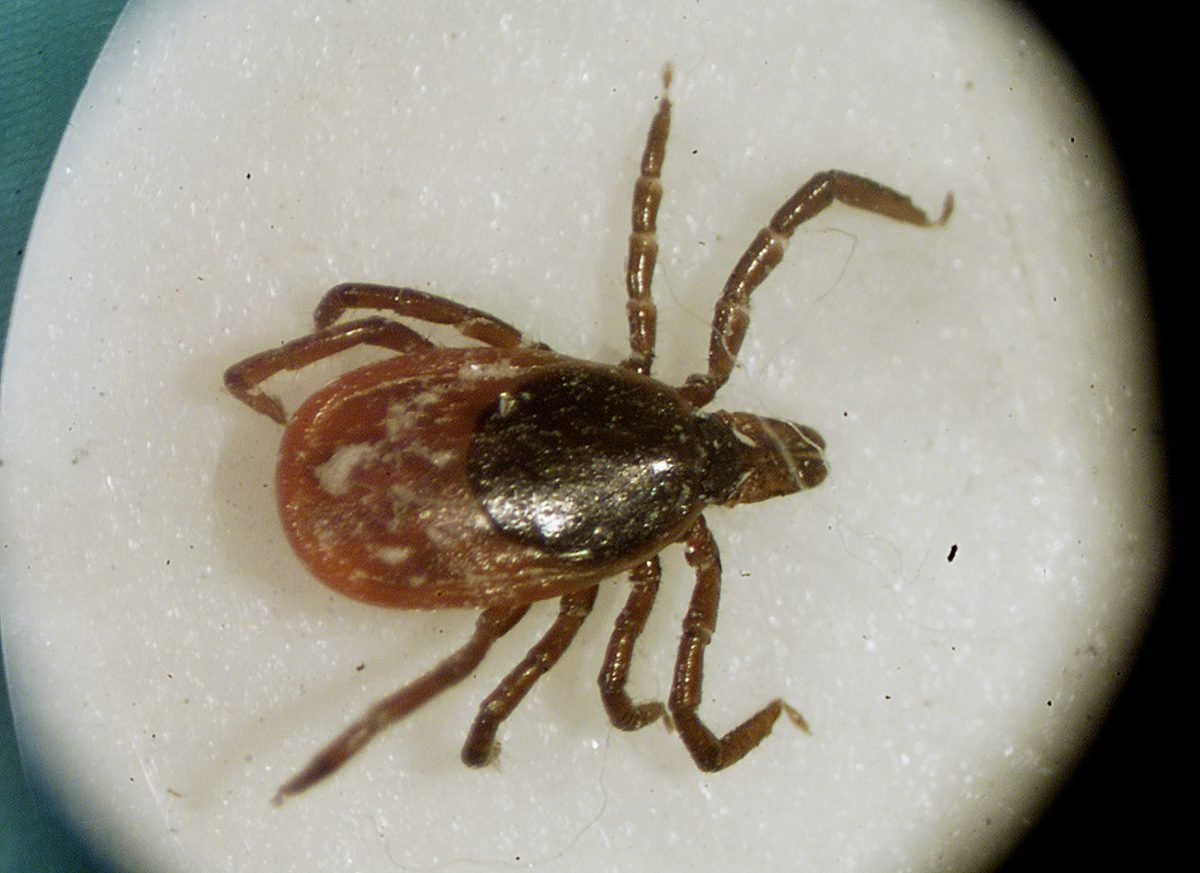
Health officials have confirmed that a rare pathogen responsible for Lyme disease has surfaced in New York, marking a significant geographic expansion beyond its historic range in the Upper Midwest. The finding, detailed in a recent CDC report, raises fresh questions about tick-borne disease surveillance and the spread of emerging pathogens.
Lyme disease itself is not uncommon. In 2023, the CDC received reports of over 89,000 cases, though the agency estimates the true annual tally may approach 476,000. Most infections cluster in Wisconsin, Minnesota, and the Northeast, driven by the blacklegged tick, Ixodes scapularis. Symptoms range from the classic bullseye rash and fever to more severe neurological, cardiac, and joint complications.

The vast majority of Lyme cases stem from the bacterium Borrelia burgdorferi. But a rarer cousin, Borrelia mayonii, has slowly gained attention since it was first identified as a human pathogen in a Minnesota resident. Wisconsin health authorities describe it as a “rare, newly emerging species,” with only 10 cases recorded in that state between 2013 and 2024. Symptoms — fever, chills, headache, rash, muscle and joint pain, and later-stage arthritis — closely mirror those caused by B. burgdorferi.
Until now, B. mayonii had been detected only in Wisconsin and Minnesota. That changed in July 2024, when a resident of Herkimer County, New York, tested positive. A nymph-stage blacklegged tick collected from the patient’s property also carried the bacterium, as did nine additional ticks on the property, according to the CDC report released this month.
Statewide testing in New York found low prevalence: 0.2% of nymphs (1 out of 627) and 1% of adults (9 out of 891) tested positive. On the patient’s property, the rates were slightly higher — 0.7% of nymphs and 3.9% of adults — but still low overall. The CDC report’s authors stressed that continued surveillance of tick-borne disease is “critical.”
The blacklegged tick’s range now spans more than half the United States, from North Dakota south to Texas, east to Florida, and north to Maine. Beyond Lyme, it can transmit anaplasmosis (which the New York patient also contracted), babesiosis, hard tick relapsing fever, ehrlichiosis, and Powassan virus.
This development comes as broader public health challenges demand attention. The ongoing Ebola outbreak in Africa, exacerbated by a US leadership vacuum, underscores the stakes of neglected disease surveillance. Meanwhile, domestic issues like the middle-class squeeze from inflation outpacing wages continue to strain households. Even as officials track rare pathogens, the salmonella recall of Alfredo sauce across 41 states serves as a reminder that foodborne and vector-borne threats alike demand vigilance.
The emergence of B. mayonii in New York signals that rare pathogens can shift geography without warning. For now, the risk remains low, but the CDC and state health departments are urging clinicians and residents in newly affected areas to remain alert to tick-borne illnesses beyond the usual suspects.