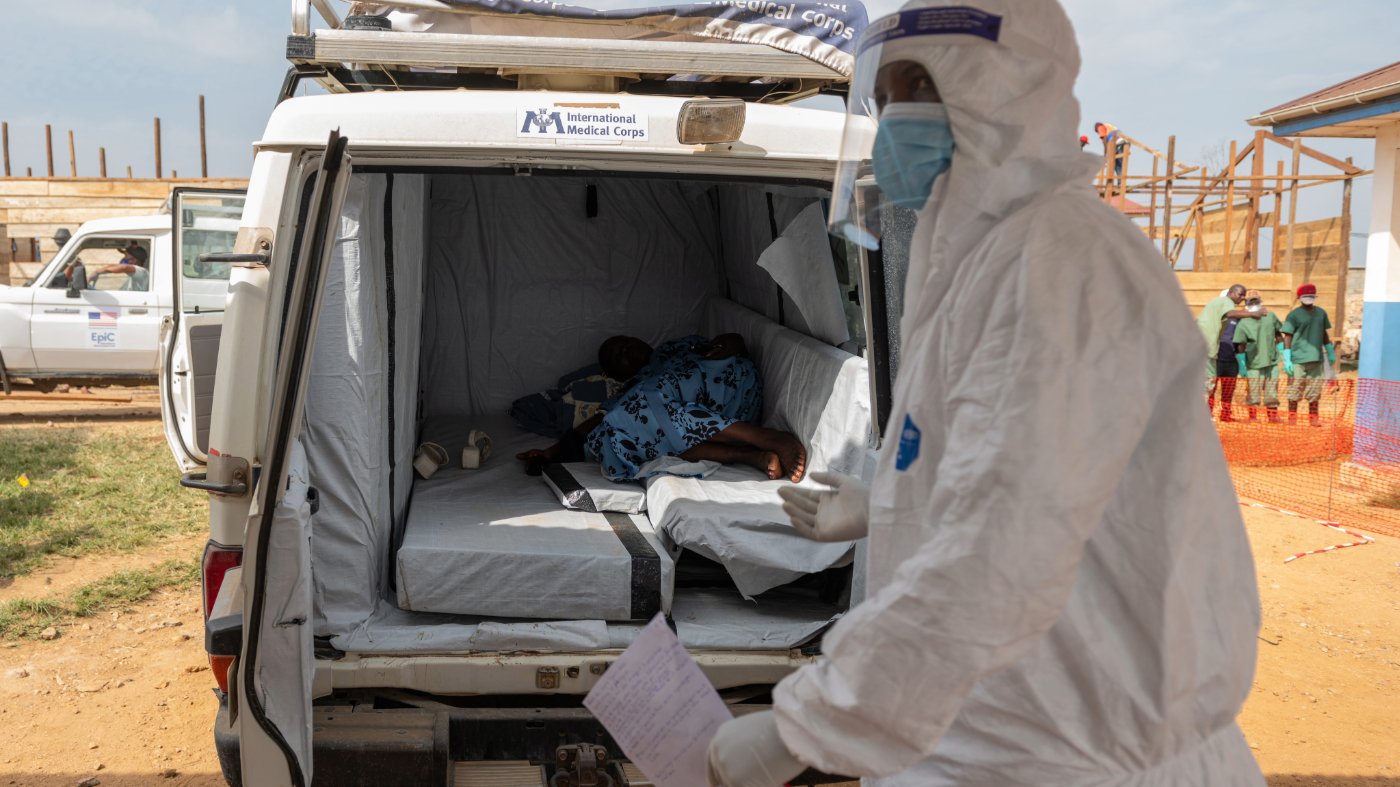
The Democratic Republic of the Congo and Uganda are grappling with a rapidly expanding Ebola outbreak that now threatens South Sudan. As international agencies race to contain the virus, a troubling reality has emerged: the United States, long the cornerstone of global health response, can no longer be relied upon to lead.
Nearly a decade ago, the US spearheaded the fight against an Ebola epidemic that killed over 11,000 people in West Africa. Today, the Trump administration has systematically dismantled the public health infrastructure that made that response possible. The Centers for Disease Control and Prevention has lost experienced scientists and critical resources, while the withdrawal from the World Health Organization has severed key data-sharing channels with allies—a sharp break from decades of US health diplomacy.
Confusion at the Top
The administration's response has been marked by a stunning lack of clarity. Who at the State Department is coordinating the effort? What office is overseeing the delivery of supplies and personnel after the USAID was effectively dismantled? And how is the public being informed about the growing threat? These questions remain unanswered.
The confusion is compounded by a parade of acting directors at the CDC since President Trump fired his first appointee for not aligning with his political agenda. Without Senate-confirmed leadership, the agency's guidance has become suspect in the eyes of many Americans.
Adding to the disarray, the administration has adopted contradictory positions on infectious disease control. The same voices that mocked COVID-19 mitigation measures now champion aggressive quarantines for Ebola and hantavirus—policies they once decried as government overreach.
Secretary of State Marco Rubio claims the current containment policies “protect the American people,” yet the administration has barred US citizens exposed to the virus from returning home. Instead of receiving care in state-of-the-art US facilities—which have successfully treated Ebola patients before—those Americans will be confined to a makeshift hospital in Kenya.
The US once invested heavily in infectious disease readiness, coordinating with allies and respecting scientific expertise. That commitment to leadership has evaporated. As the virus threatens overcrowded refugee camps in South Sudan, the consequences of inaction could rival the 2014 crisis.
Congress must hold this administration accountable for undermining the nation's ability to respond to Ebola and other public health threats. Without a clear plan and accountable leadership, the safety of every American is at risk.
Lyndon Haviland, DrPH, MPH, is a distinguished scholar at the CUNY School of Public Health and Health Policy.