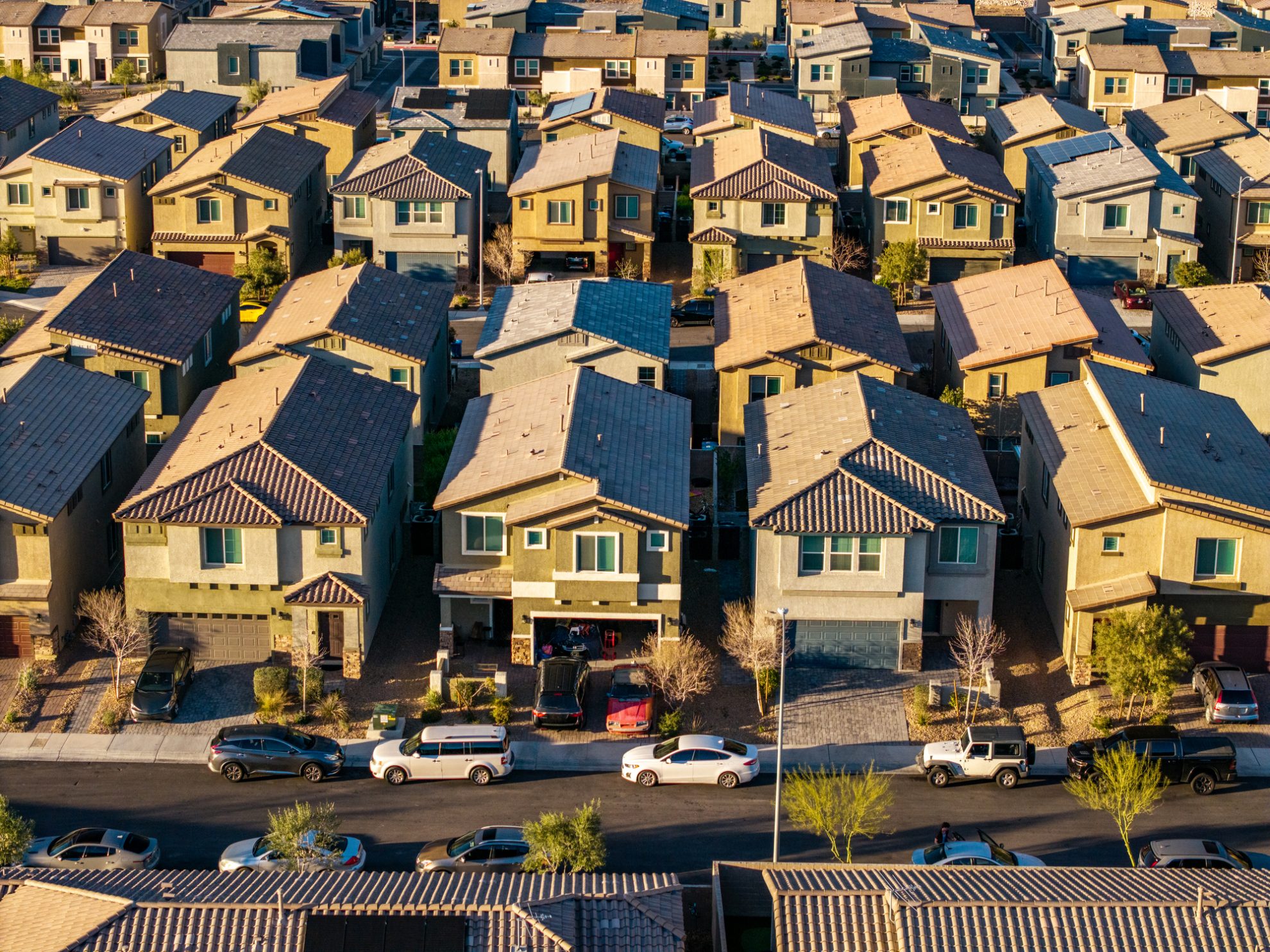
Inflation is once again heating up, and middle-class families across the United States are feeling the pinch. With gas prices surging and the cost of everyday goods climbing, the national inflation rate has pushed back above 4%. For the first time in three years, price growth has started to outpace wage increases, eroding the purchasing power of millions of households.
According to financial analysis site MoneyLion, the average annual inflation rate over the past five years has been 4.8%. But the real sting comes from compounding: cumulative inflation over that period has reached a staggering 24%. That means a dollar earned in 2020 is now worth just 76 cents in real terms.
State-by-State Disparities
Not all states have been hit equally. In some, average wages have managed to keep up with or even exceed inflation, offering a buffer to middle-class residents. In others, the gap between rising prices and stagnant paychecks has widened dangerously.
The analysis, which examined wage growth versus inflation across all 50 states, found that states like Washington, Massachusetts, and Colorado have seen relatively strong wage growth that has outpaced the national inflation rate. Workers in these states have enjoyed real income gains, even as prices soared.
But in states such as Mississippi, West Virginia, and Arkansas, the story is far grimmer. There, wages have lagged far behind inflation, leaving families struggling to afford basic necessities like groceries, rent, and healthcare. The economic pressure has been compounded by recent global events, including the ongoing conflict in Iran, which has fueled energy price spikes and put additional strain on central banks worldwide. As the European Central Bank has hiked rates in response to Iran war-driven inflation, the Federal Reserve faces mounting pressure to follow suit.
Political Fallout
The inflation surge has become a potent political weapon. Former President Donald Trump has seized on the issue, at one point remarking, "I love inflation," a comment that stunned observers as prices hit 4.2% in May. That remark, widely reported and criticized, has become a flashpoint in the debate over economic stewardship.
Meanwhile, some Republicans have broken ranks. Representative Marjorie Taylor Greene, a staunch Trump ally, has turned on the former president over his handling of inflation, echoing critiques that were once leveled at the Biden administration. Her comments, reported in political circles, signal growing unease within the MAGA base about the party's economic message.
What Comes Next
With inflation showing no signs of abating, middle-class families are being forced to make tough choices. Many are cutting back on discretionary spending, dipping into savings, or taking on additional work to make ends meet. The cumulative 24% inflation over five years has erased years of wage gains for many, particularly in the hardest-hit states.
Economists warn that if wage growth continues to lag, the middle class could face a prolonged period of financial strain. The political implications are significant: voters who feel economically squeezed are likely to punish incumbents, regardless of party. As the 2024 election cycle heats up, inflation is shaping up to be a defining issue, with both sides scrambling to offer solutions.
For now, the data paints a clear picture: where you live matters enormously. In some states, the middle class is surviving inflation; in others, it is being slowly eroded.