The European Central Bank raised its benchmark interest rate by 25 basis points on Thursday, responding to inflation pressures triggered by the ongoing war in Iran. The move comes just days before Kevin Warsh chairs his first Federal Open Market Committee meeting as head of the Federal Reserve next week.
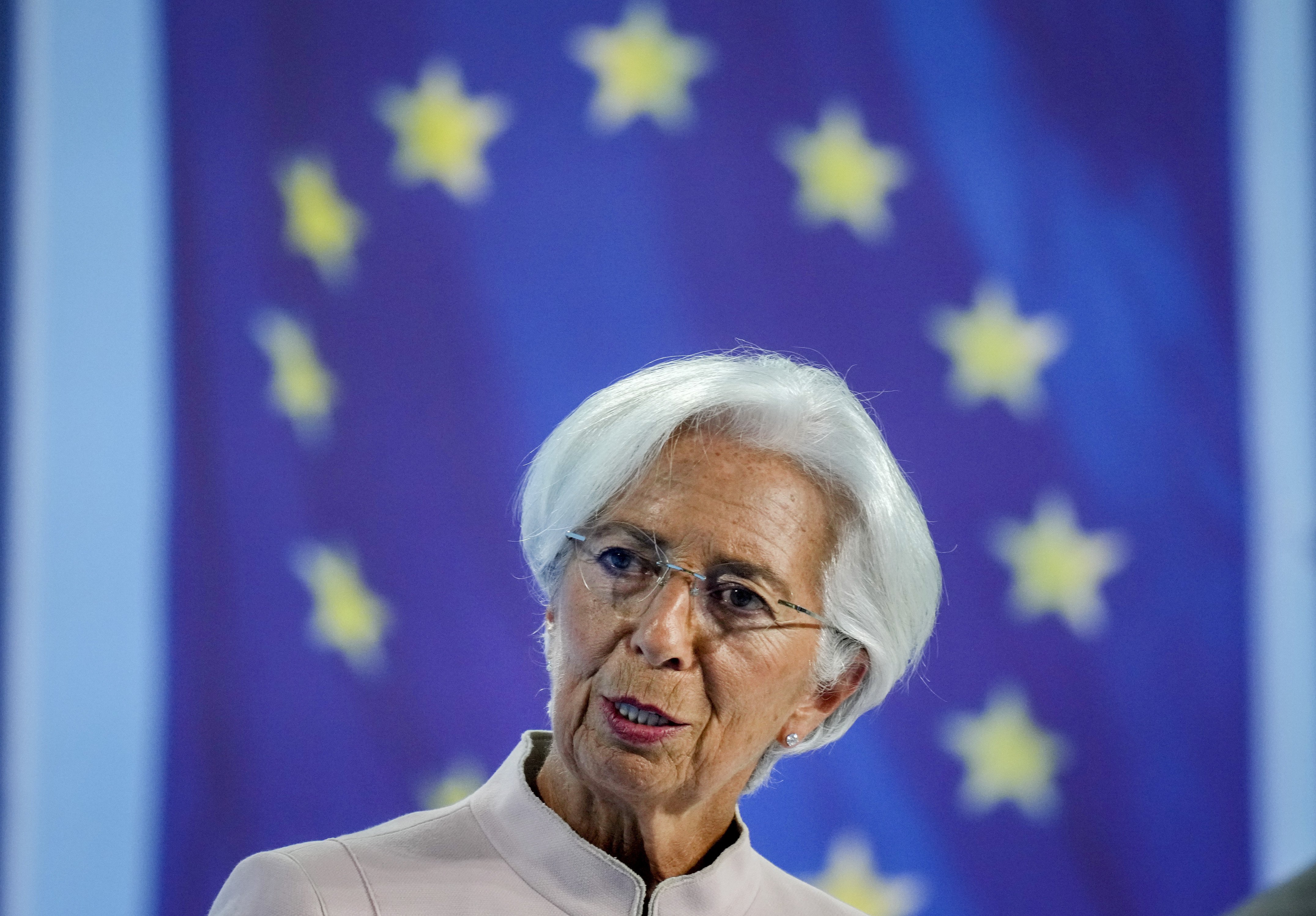
ECB President Christine Lagarde said the decision was driven by the conflict's impact on energy prices and the broader economic outlook for the eurozone. “The war in the Middle East is generating inflation pressures, and the decision to raise rates is robust across a range of scenarios mapping out how the shock might evolve,” she told reporters during a press conference.
Lagarde also noted that ECB staff had revised up their inflation projections for 2026 and 2027, citing higher energy costs that are expected to spill over into food, goods, and services prices. The ECB becomes the first major central bank to adjust monetary policy specifically in response to the Iran war, following similar moves by central banks in Australia and the Philippines.
The rate hike puts new pressure on the Federal Reserve, which has been urged by the Trump administration to lower borrowing costs. But as the Iran conflict drags on, Chair Kevin Warsh may face pressure to raise rates instead, mirroring the ECB's approach. The Fed's next policy decision is set for next week.
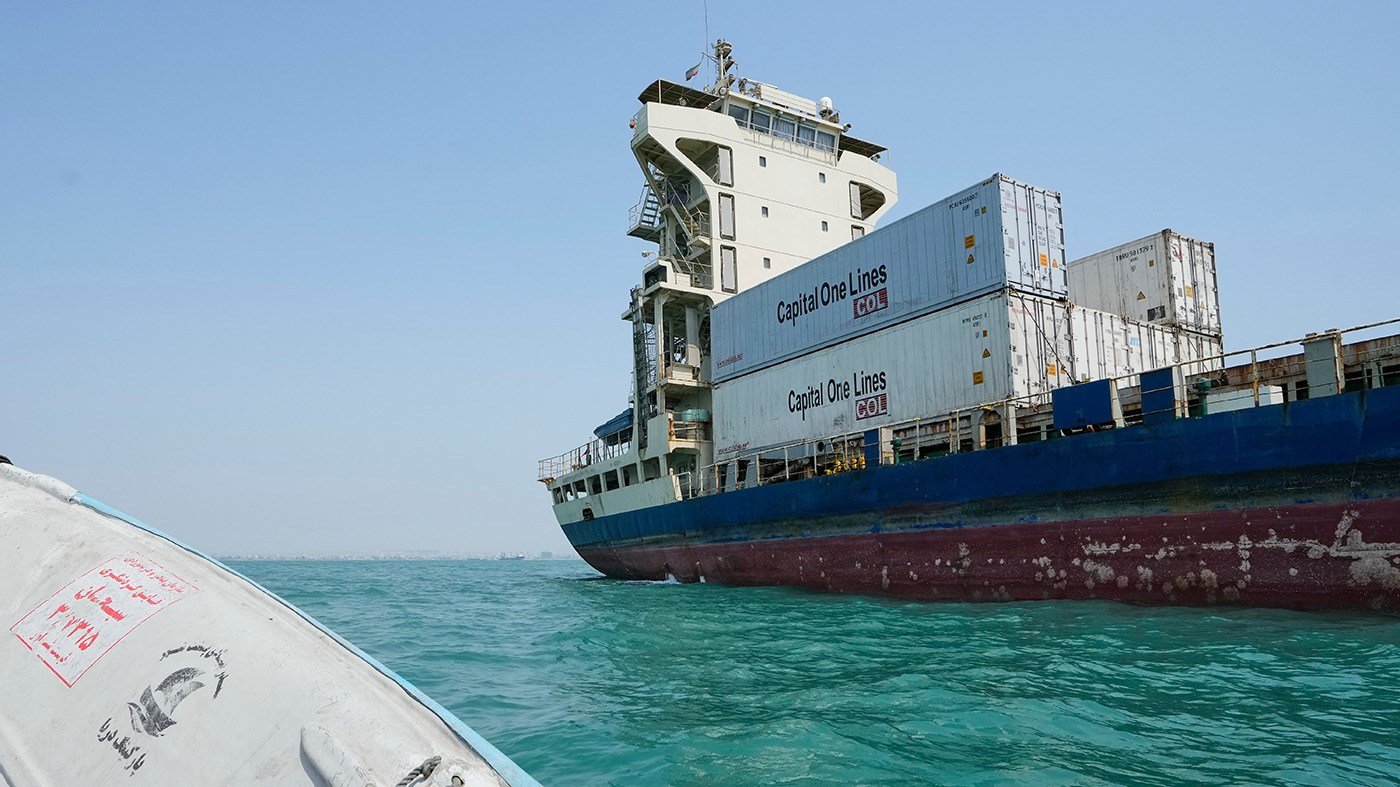
On Thursday, President Trump escalated his rhetoric, vowing to hit Iran “VERY HARD” and target Kharg Island along with other oil infrastructure. Such strikes would threaten global energy supplies and disrupt international shipping, adding further strain to the world economy. The threat comes after weeks of White House claims that a ceasefire with Tehran was nearing, but Israeli military operations in Lebanon have complicated those efforts.
Meanwhile, U.S. economic data continues to show strength that could fuel inflation. The Labor Department reported that consumer inflation rose to 4.2 percent over the past year, while job growth exceeded expectations. The combination of rising prices and a tight labor market has intensified the debate over whether the Fed should hold steady, cut, or even raise rates.
The ECB's decision highlights how geopolitical shocks are reshaping monetary policy globally. As Trump has publicly cheered higher inflation as a sign of economic strength, central bankers are grappling with the real-world consequences of war-driven price increases. The coming weeks will test whether the Fed can navigate these competing pressures without destabilizing markets.
For now, all eyes are on Warsh and the FOMC. With the ECB already moving, the Fed's next steps could determine whether the Iran war becomes a lasting driver of global interest rate trends.