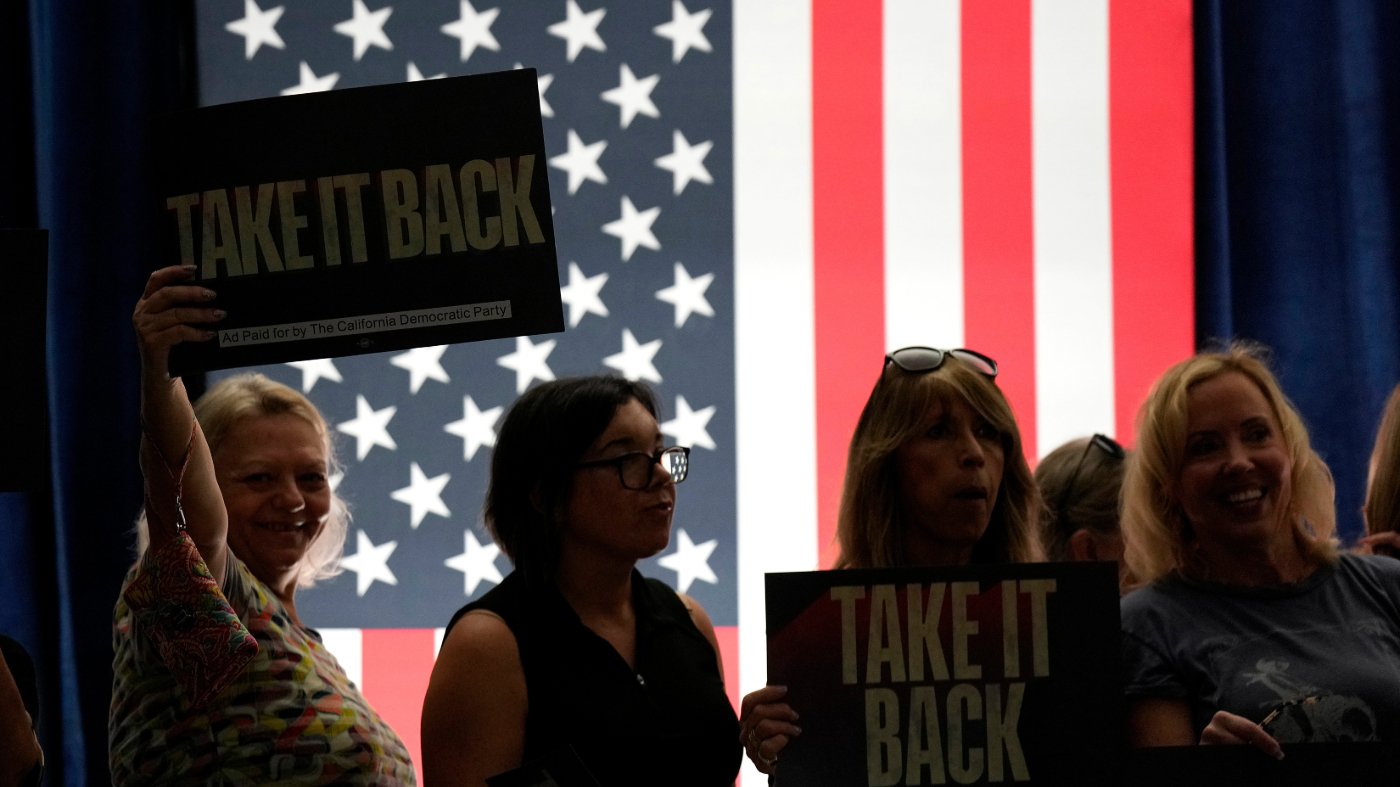
In a notable shift, Democrats are actively reclaiming the American flag as a symbol of their values, a move that political analysts say is long overdue. On the Fourth of July, Maryland Governor Wes Moore delivered a televised address that framed patriotism as a commitment to fighting for ideals and the hope of a better future, even if it remains unseen. Moore argued that true patriotism requires recognizing the humanity and pain in others, emphasizing that grace is extended to all, not just the virtuous.
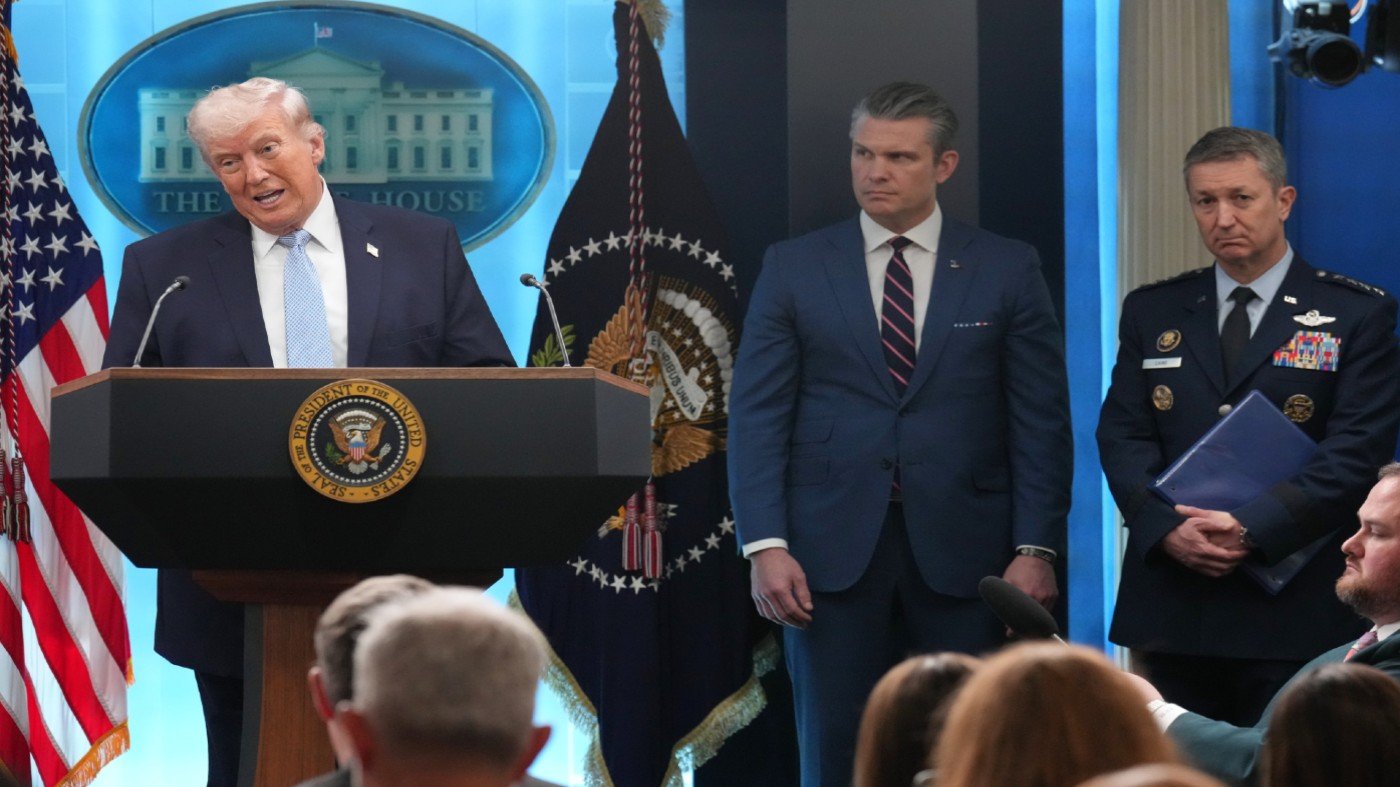
Moore drew a sharp distinction between patriotism and the nationalism embraced by former President Donald Trump. Nationalism, Moore said, fuels fear by encouraging people to feel superior to others, identify grievances, and assign blame. In contrast, patriotism is sustained by faith, not fear.
Moore's message resonates across the Democratic Party as Trump's actions have challenged the foundational compact of the United States—the civil religion rooted in the Declaration of Independence and the Constitution. Trump's past comments, including a 2005 statement that the phrase 'all men are created equal' was one of the most false ever uttered, and his efforts to consolidate power have galvanized Democrats.
The party's embrace of traditional patriotism began in earnest in 2025. Two days before Flag Day, Representatives Pat Ryan and Chris Deluzio distributed American-made flags to their colleagues, accompanied by a letter stating that the flag and its values belong to every American. Former Transportation Secretary Pete Buttigieg echoed this sentiment, asserting that any salute to the flag is hollow without respect for the freedoms it represents. Senator Elissa Slotkin succinctly called for Democrats to 'retake the flag.'
This marks a significant departure from decades of Republican dominance over patriotic symbols. For years, Republicans wielded flag pins and anthems like Lee Greenwood's 'God Bless the USA' as partisan accessories, while Democrats were often portrayed as less patriotic. In 1984, UN Ambassador Jeane Kirkpatrick famously labeled Democrats the 'San Francisco Democrats,' accusing them of blaming America first. This narrative intensified during the 1988 presidential race between George H.W. Bush and Michael Dukakis, when focus groups highlighted Dukakis's opposition to the Pledge of Allegiance and other positions as unpatriotic.
Today, that playbook appears outdated. Recent polling from Siena College and the New York Times shows Democratic candidates leading on questions of character and moral values. Democrats are now highlighting Trump's corruption and betrayal of his constitutional oath, while also embracing values once championed by Ronald Reagan—family, work, neighborhood, peace, and freedom—especially after civilian deaths at the hands of Immigration and Customs Enforcement agents.
By reclaiming the flag, Democrats are rejecting Trump's blood-and-soil nationalism in favor of a patriotism grounded in the Declaration of Independence and the Constitution. Echoing John F. Kennedy's 1960 call for a 'Time for Greatness,' Democrats are, in Moore's words, 'taking ownership for what America can become.' Kennedy's standard for presidential success—that neither financial gain nor political ambition should divert leaders from their sacred trust—stands in stark contrast to Trump's record, providing Democrats an opportunity to elevate their own vision.
This strategic move is part of a broader effort to reshape the political landscape. As Democrats surge in generic ballot polling, the party is positioning itself as the defender of core American values. The shift also reflects a rejection of fears that left-wing policies could alienate voters, as seen in Democrats rejecting claims of a socialist takeover. With key races like the Maine Senate contest attracting attention—where Democrats rally behind Troy Jackson—the party is betting that a patriotic message will resonate with voters.