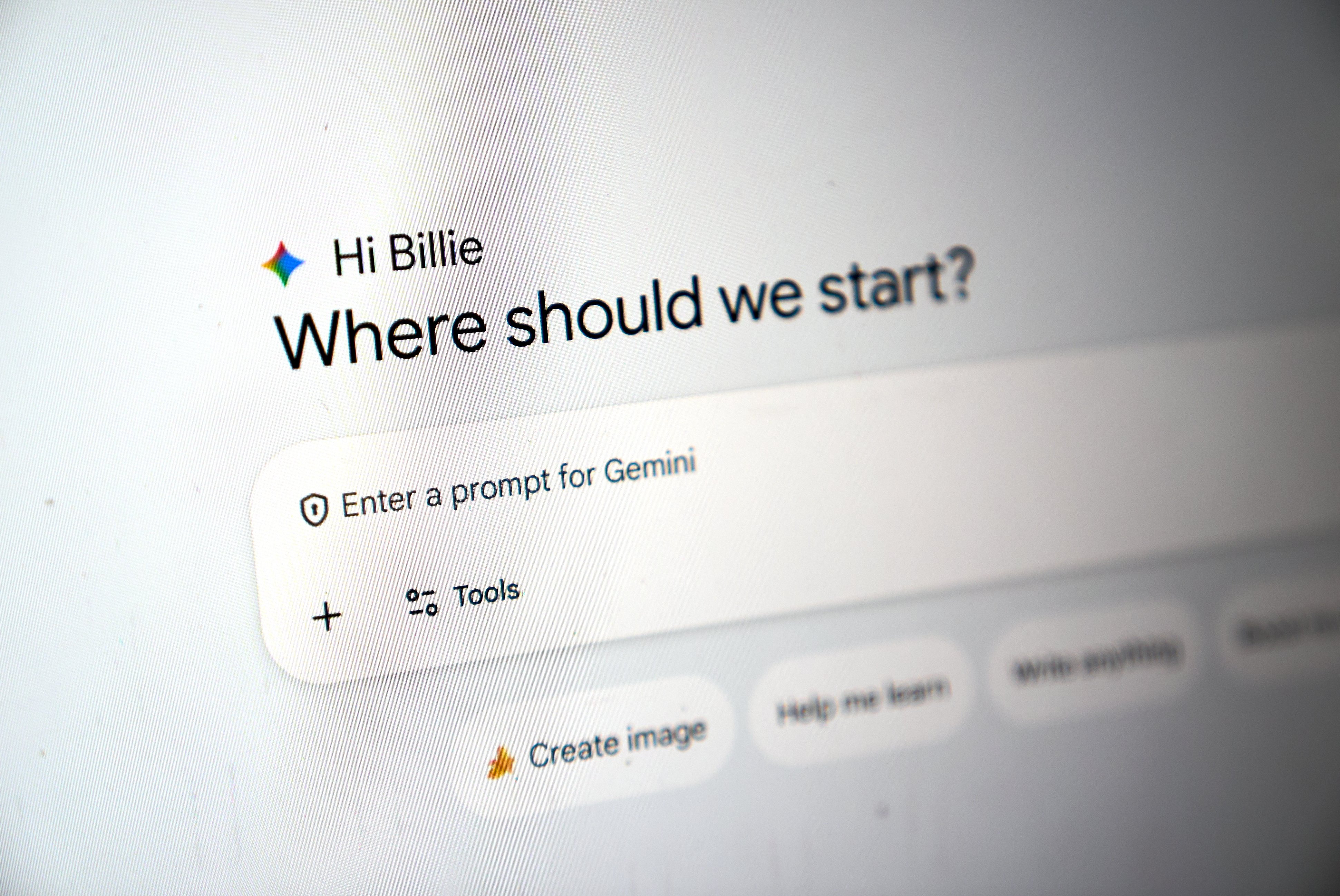
Randi Weingarten, the head of the American Federation of Teachers, has conceded what many parents and educators have long argued: excessive screen time is undermining children’s ability to learn. Her recent 10-point proposal to ban screens and restrict artificial intelligence in schools marks a notable shift for a union leader who has often defended the status quo.
Weingarten framed her plan as a defense of “the essential purpose of education: teaching students how to think and giving them enough knowledge to do it well.” That language resonates with a growing number of families who see classrooms transformed into digital labs where attention spans fray and critical thinking suffers. But as welcome as this screen-focused course correction is, it only scratches the surface of what ails American education.

The same institutional forces that championed classroom technology also presided over a steep decline in reading and math proficiency. According to the latest National Assessment of Educational Progress, two-thirds of fourth graders are not reading at grade level. Meanwhile, per-pupil spending has climbed to roughly $17,600 annually, totaling nearly $1 trillion in public K-12 funding each year. The problem is not a lack of resources—it is a failure of mission.
Teachers and parents report daily evidence of screen-induced damage: students who cannot sustain focus on a full page of text, who struggle to write a coherent paragraph, and who rely on gamified apps and AI shortcuts rather than developing genuine problem-solving skills. A classroom built around rapid clicks and superficial engagement does not nurture deep learning or mental health. It trains children to skim and move on.
Limiting screens is a necessary first step. It can restore attention, bolster cognitive development, and prioritize human interaction—an essential component of student growth. But Weingarten and the AFT must go further. The union has been a powerful force in pushing schools toward politicized frameworks that crowd out academic fundamentals. From teacher training mandates to curriculum choices, ideological commitments have often taken precedence over reading, writing, math, history, and civics.
The push for a “back to basics” approach is not mere nostalgia. It is an urgent correction rooted in evidence: children need factual knowledge before they can analyze, complexity before critique, and disciplined habits of mind before independent thought. As AI tools become more pervasive, the risk grows that students will outsource thinking before they have learned to think at all.
Weingarten now has an opportunity to lead a broader reckoning. If she acknowledges that screens have damaged learning, she should also recognize that the union’s embrace of divisive political battles has diverted attention from academic achievement. The screen debate is just the opening act. The real question is whether American schools will reclaim their core purpose: producing literate, thoughtful, and capable citizens who can sustain a self-governing republic.
Put the screens away. Then put books—and the hard work of real learning—back at the center. That is the correction our children and our country need.
Dana Stangel-Plowe, an educator and attorney, serves as the Chief Program Officer at North American Values Institute.