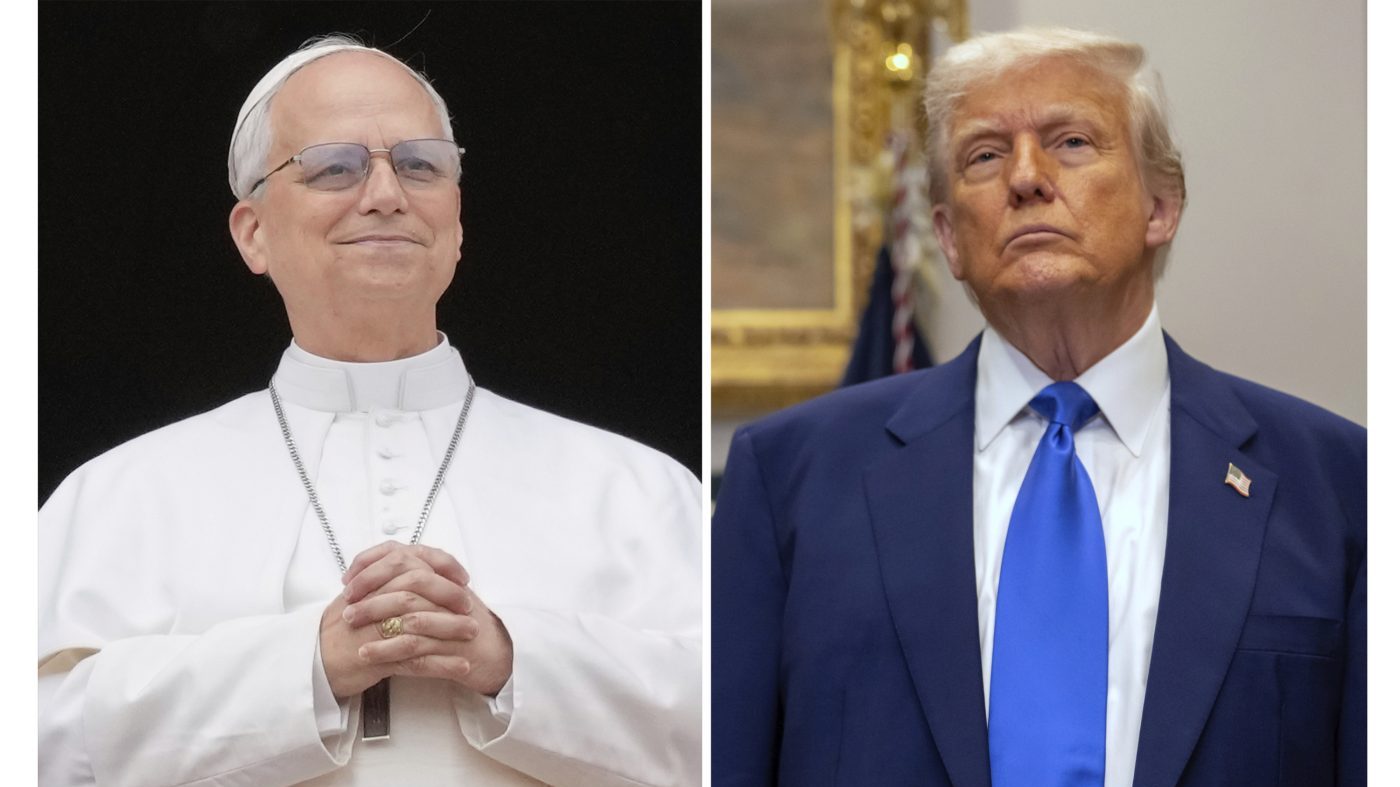
Pope Leo XIV and Vice President J.D. Vance separately sought to downplay reports of a significant rift with President Donald Trump over the weekend, each attributing the perception of a feud to media misinterpretation and political commentary.
Speaking to reporters aboard the papal plane on Saturday, Pope Leo stated that the narrative surrounding his relationship with the U.S. president had been inaccurate. "There's been a certain narrative that has not been accurate in all of its aspects," the pontiff said, referencing the political situation that arose after Trump made comments about him at the start of a recent trip.
The Pope specifically addressed remarks he delivered at a prayer meeting for peace, which some analysts interpreted as indirect criticism of Trump's hawkish foreign policy stance. Leo clarified that his speech had been prepared "two weeks" before Trump's comments, suggesting it was not a direct rebuttal. He emphasized it was not in his "interest at all" to engage in a public debate with the American president.
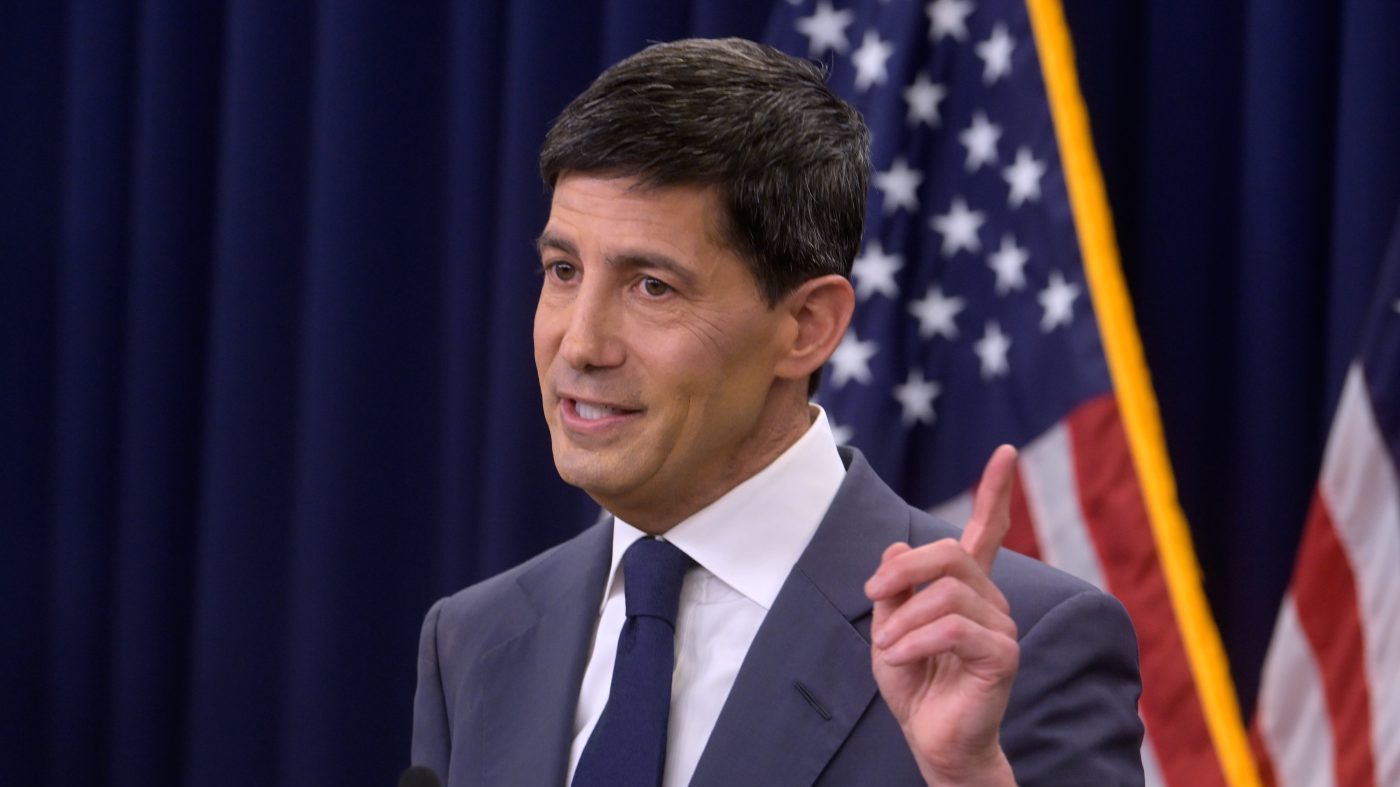
Vice President Vance echoed this sentiment in a post on the social platform X, expressing gratitude to Pope Leo for his clarification. "While the media narrative constantly gins up conflict—and yes, real disagreements have happened and will happen—the reality is often much more complicated," Vance wrote. This dynamic of public tension masking more complex working relationships is not unique to this administration, as seen when other officials have cited a functional, if direct, rapport with Trump behind the scenes.
Vance framed the potential for disagreement as a natural consequence of their respective roles. "Pope Leo preaches the gospel, as he should, and that will inevitably mean he offers his opinions on the moral issues of the day. The President—and the entire administration—work to apply those moral principles in a messy world," he continued, adding that the Pope would be in their prayers.
This public effort at reconciliation follows days of pointed remarks from President Trump. He previously told reporters he reserved the right to disagree with the Pope and suggested Leo's historic election as the first American pontiff was partly an attempt by religious leaders to gain favor with him. Trump's rhetoric on global affairs has frequently drawn scrutiny, with critics warning his approach blends profanity, Christian nationalism, and xenophobia.
By Friday, however, the President had slightly moderated his tone, telling reporters he was "not fighting with the pope" while still maintaining his right to hold differing opinions. The episode highlights the ongoing challenge for Trump's political allies, who often find themselves navigating between the President's blunt public statements and the diplomatic necessities of governance. This balancing act is familiar to figures like Rep. Elise Stefanik, who has vigorously defended Trump's aggressive foreign policy threats in media appearances.
The coordinated messages from the Vatican and the Vice President's office indicate a mutual desire to prevent a theological disagreement from escalating into a sustained political crisis. Both sides appear to recognize the risks of an open breach, particularly for Catholic voters and for the administration's moral framing of its policy agenda. The situation underscores how Trump's unconventional style continues to test traditional diplomatic and political relationships, even as his supporters work to contextualize his remarks within a broader strategic framework.