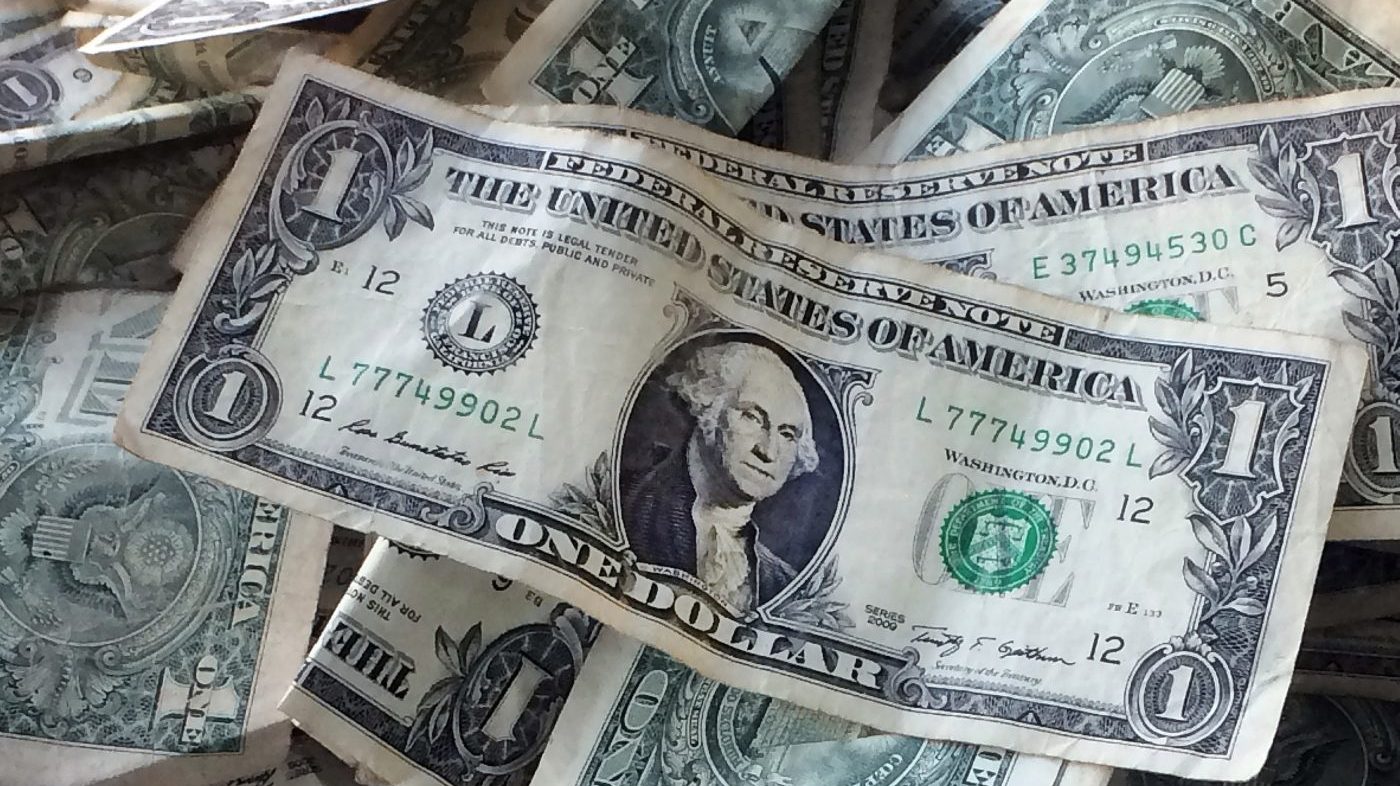
A clear majority of Americans oppose a Treasury Department initiative to place President Donald Trump's signature on all U.S. paper currency, according to a new national survey. The plan, announced last month as part of the nation's 250th anniversary commemoration, has drawn significant public skepticism.
Polling Shows Broad Disapproval
The Economist/YouGov poll, conducted from April 10-13, found that 59% of respondents either somewhat or strongly disapprove of adding the president's signature to currency. Only 24% expressed approval, while 18% were unsure. The survey of 1,748 adults carries a margin of error of plus or minus 3.1 percentage points.

The opposition breaks sharply along partisan lines. The poll indicates 92% of Democrats and 65% of independents disapprove of the measure. Even among Republicans, a notable 20% are against the signature addition, highlighting internal divisions within the president's political base.
Treasury's Rationale and Anniversary Plans
The Treasury Department announced the unprecedented move in late March, stating it would place a sitting president's signature on currency for the first time to mark the United States' semiquincentennial. Treasury Secretary Scott Bessent framed the decision as a powerful recognition of national achievements.
"There is no more powerful way to recognize the historic achievements of our great country and President Donald J. Trump than U.S. dollar bills bearing his name," Bessent said in a statement. He added that the administration is pursuing "unprecedented economic growth, lasting dollar dominance, and fiscal strength and stability." This initiative is part of broader anniversary preparations that include a dedicated digital portal for the celebration.
Broader Commemorative Efforts
The currency signature is not the only commemorative item featuring the president. The Commission of Fine Arts has already approved a special $1 gold coin bearing Trump's likeness for the 250th celebration. These moves represent a significant departure from tradition, where currency features primarily historical figures and symbolic designs rather than contemporary political leaders.
The administration's focus on symbolic economic gestures comes as it navigates complex policy challenges, including efforts to renew surveillance authorities and manage international economic tensions. Critics argue the currency plan represents an unnecessary politicization of national symbols, while supporters view it as appropriate recognition of presidential leadership during a milestone anniversary.
The poll results suggest the Treasury's initiative faces an uphill battle for public acceptance. With nearly three in five Americans expressing disapproval, the plan has become another flashpoint in the nation's polarized political climate. The findings also emerge amid ongoing scrutiny of the administration's approach to governance, including questions from former allies about presidential conduct and decision-making.
As the 250th anniversary approaches, the administration continues to roll out commemorative projects. However, this polling indicates that one of its most visible symbolic gestures may generate more controversy than celebration among the American public.