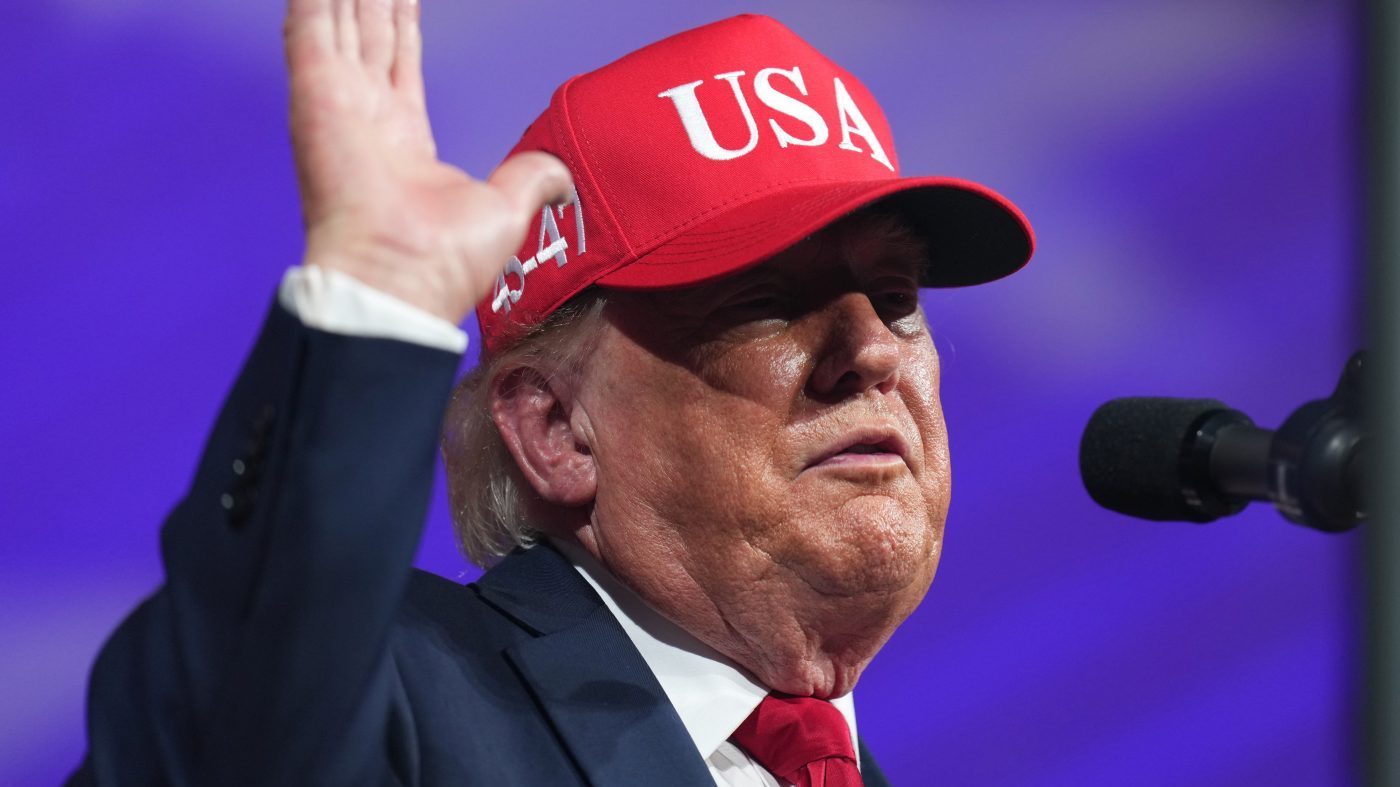
With the annual fall-back clock change just days away, President Donald Trump is escalating his campaign to convince the Senate to approve legislation that would make daylight saving time permanent nationwide. The push, which has gained renewed momentum in recent weeks, would eliminate the twice-yearly time shift for most Americans—but it would also dramatically alter winter evenings.
Under the proposed Sunshine Protection Act, states that do not opt out would observe daylight saving time all year round. That means clocks would stay set one hour ahead of standard time even during the darkest months, pushing sunset times later into the evening. In many northern and eastern cities, the sun would not set until after 7 p.m. even in late December—a stark contrast to the current 4:30 p.m. sunsets in some areas.
The legislation has been a priority for Trump, who has repeatedly called the clock changes an unnecessary disruption. However, the bill has faced resistance in the Senate, where some Republicans and Democrats have raised concerns about the impact on school schedules, morning commutes, and public health. A recent push by Trump has hit a wall in the Senate GOP, with several members expressing doubts about the practicality of year-round daylight saving.
Supporters argue that permanent daylight saving would reduce energy consumption, boost retail sales, and give people more daylight for outdoor activities after work. They also point to public opinion polls showing broad support for ending the clock changes. But critics warn that the shift could mean darker mornings, especially in western parts of time zones, and could disrupt sleep patterns and health.
The situation is complicated by the fact that Hawaii and most of Arizona already observe standard time year-round and would be exempt from the new law. That means the impact would vary significantly by region, with some states seeing little change and others experiencing a dramatic shift in their winter daylight.
As the Senate weighs the proposal, the clock-change deadline looms. The current law mandates that daylight saving time ends on the first Sunday of November, which this year falls on November 2. If the Senate acts quickly, the change could take effect before the next spring forward, but that seems unlikely given the legislative calendar and the political hurdles.
For now, Americans can expect to set their clocks back this weekend, but the debate over permanent daylight saving is far from over. Trump has vowed to continue pressing the issue, and the Senate is expected to revisit the bill in the coming weeks.
In the meantime, meteorologists and sleep experts are cautioning against hasty decisions. They note that the effects of permanent daylight saving would be felt most acutely in winter, when mornings would remain dark well into the workday. Some have suggested that a better approach might be to adopt permanent standard time, which would keep mornings brighter but would mean earlier sunsets.
The Trump administration's intensified push has injected new urgency into the debate, but the outcome remains uncertain. With the holiday season approaching, the clock-change battle is likely to continue as a backdrop to the broader political calendar.