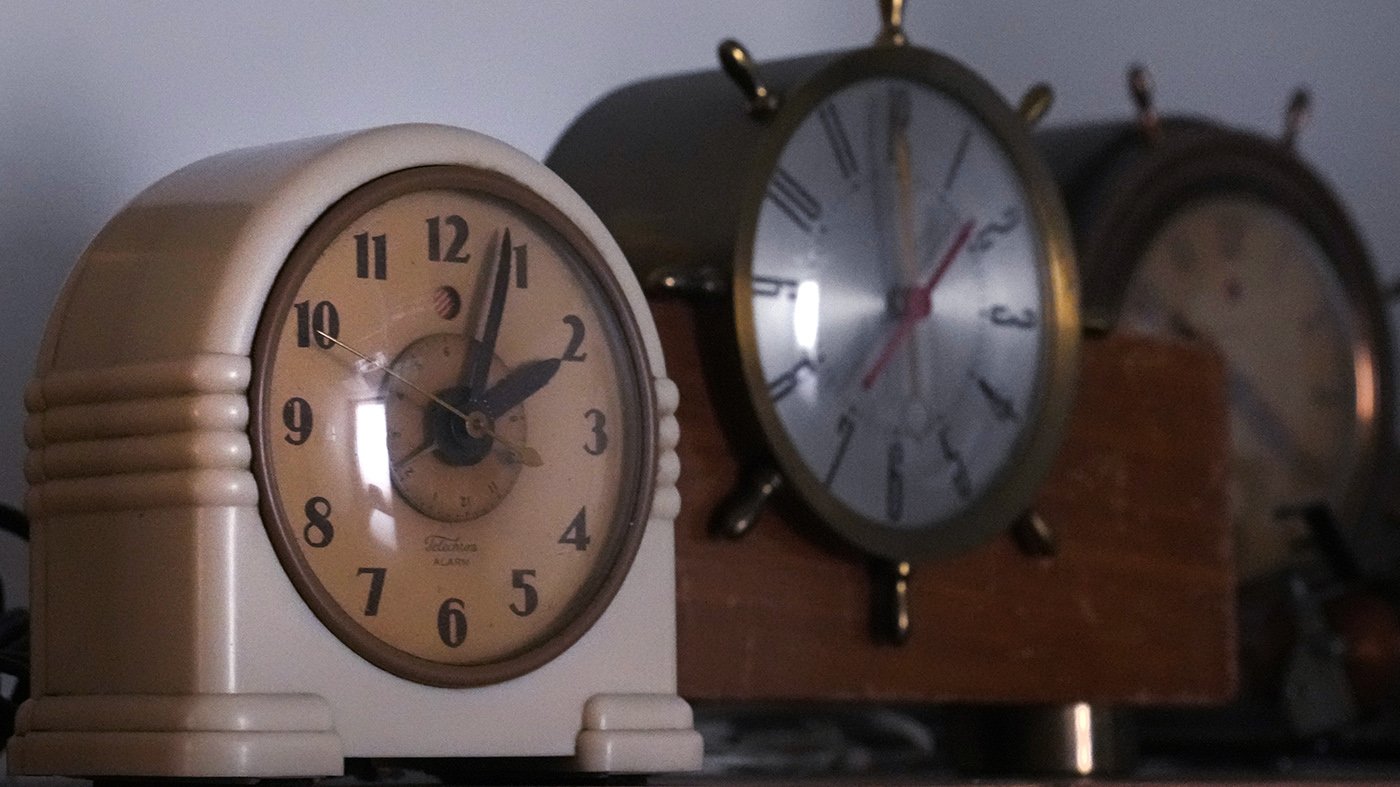
President Trump on Wednesday evening renewed his push for the Senate to pass a bill that would make daylight saving time permanent, intensifying a legislative battle that has divided Republicans and raised concerns about winter morning darkness.
In a post on his Truth Social platform, nearly identical to one he issued earlier this month, Trump called on GOP senators to advance the Sunshine Protection Act of 2025. The measure, which cleared the House last month by a 308-117 vote, would lock the nation into daylight saving time year-round, eliminating the twice-annual clock changes.

“For many years, the vast Majority of Americans have asked to make Daylight Saving Time permanent, but no Administration has been able to get it properly done, until now,” Trump wrote, echoing his earlier message.
Supporters argue the change would extend evening daylight, boost economic activity during the winter, and reduce the sleep disruption and workplace injuries linked to seasonal time shifts. “People are sick and tired of having to change their clocks twice a year,” Trump said. “It is foolish, inconvenient and, in some cases, very costly. For Cities and States with Watchtowers, and hard to reach places, it costs Millions of Dollars.” He added that he believes the issue can unite “Republicans, Dumocrats, and Independents”—a misspelling that drew attention on social media.
Florida Sen. Rick Scott, the Senate sponsor, amplified the president’s message, writing that “Americans want MORE SUNSHINE, not less.” But the legislation faces notable opposition, particularly from lawmakers in northern and western states where winter sunrises would come extremely late.
Sen. Tom Cotton (R-Ark.) said the change would “push winter sunrises to an absurdly late hour,” while Sen. Steve Daines (R-Mont.) warned of backlash from Western states. “I can see where Florida likes it for tee times at certain times of the year, but it doesn’t work so well for moms and dads putting kids on buses when the sunrise in Western Montana wouldn’t be until 9:30 in the morning,” Daines told CNN last month. “It’s not going to work for us.”
Critics also cite safety risks for schoolchildren, construction workers, and farmers who would face dark commutes in the winter months. Senate Majority Leader John Thune (R-S.D.) has cast doubt on whether the bill can reach the 60-vote threshold needed to pass the upper chamber.
The Senate returns from its five-week recess on Sept. 14, and any action on the measure is unlikely before then. The renewed White House pressure comes as Trump’s approval ratings have slipped, with a recent Economist/YouGov poll showing his support at 33%.
While the House vote showed bipartisan backing, the Senate path remains uncertain. The debate over time standardization is part of a broader legislative agenda that also includes controversial health policies and shifting foreign policy strategies.