Budget Request Signals Strategic Pivot to AI Warfare
The Department of Defense's $1.5 trillion budget proposal for fiscal year 2027 contains what amounts to a quiet revolution in military strategy, buried in budget line items that reveal a fundamental reorientation toward autonomous warfare. At its core is a request for $54.6 billion for the Departmental Autonomous Warfighting Group—an organization that received just $225 million last year. This represents a 24,000 percent funding increase and accounts for nearly 15 percent of the total reconciliation package, surpassing the entire Marine Corps budget request of $52.8 billion.
From Experimental Group to Combatant Command
Internal documents reveal plans to elevate the group to a full unified combatant command, similar to the establishment of Space Command in 2019 and the elevation of Cyber Command in 2017. This new entity would coordinate autonomous drone, aircraft, and vessel operations across all military domains. Secretary of War Pete Hegseth, who has recently rewritten the Pentagon's media engagement strategy, argues that consolidation will prevent service branches from pursuing conflicting tactical goals or incompatible technical standards.

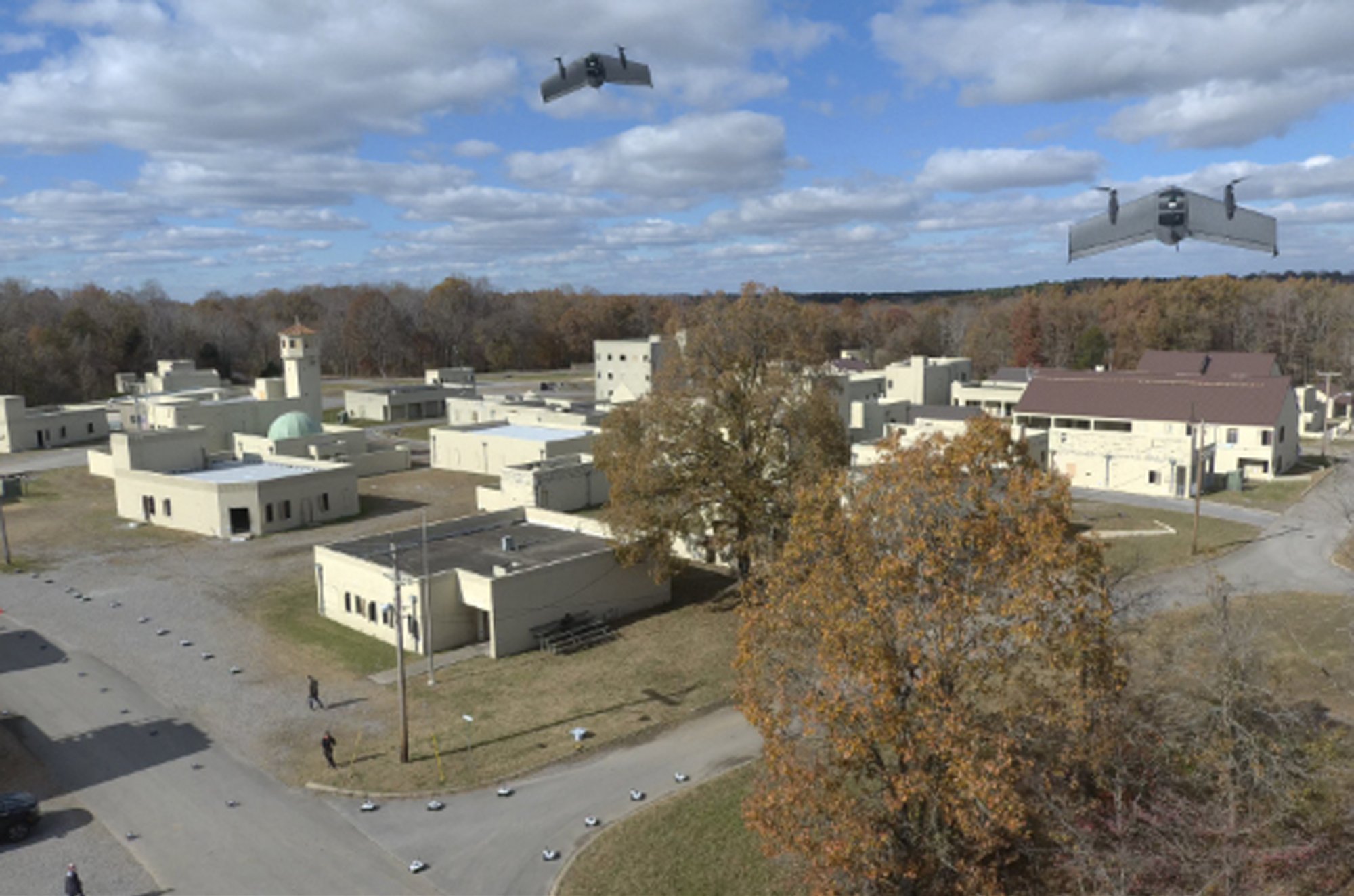
The strategic shift reflects lessons from contemporary conflicts in Ukraine and Iran, where thousands of low-cost systems operate in contested environments. While the Pentagon's Replicator program aimed to deploy hundreds of thousands of attack drones by 2028, hardware reliability and supply chain problems forced a realization: artificial intelligence software, not physical platforms, represents the primary strategic asset. This has created friction with private sector AI firms, particularly Anthropic, which maintains strict restrictions on military use of its Claude model. The Department of War has consequently designated some domestic AI companies as supply chain risks.
Congressional and International Pushback
The proposal faces significant legislative hurdles as Congress prepares the National Defense Authorization Act. Armed Services Committee leaders including Senator Roger Wicker and Representative Mike Rogers have warned against massive structural changes without clear ethical and operational oversight frameworks. Representative Rob Wittman has echoed concerns about maintaining accountability principles. These debates occur alongside broader budget tensions, as evidenced when the Army Secretary recently defended the overall $1.5 trillion defense request.
Internationally, 156 nations recently supported a UN General Assembly resolution expressing concern about autonomous arms races, fearing lowered conflict thresholds and unpredictable escalation. The United States declined to support the resolution, citing the need to maintain technological advantage over China and Russia, who are developing autonomous capabilities with fewer constraints. Current U.S. policy requires senior official approval for lethal autonomous systems, but critics argue this safeguard may not withstand the speed of machine warfare.
The Core Strategic Dilemma
The Pentagon's move recognizes that military power is shifting from manned platforms to intelligent, attritable systems controlled by cognitive software. Failure to adapt, officials argue, would leave the United States with expensive traditional forces in an era of intelligent swarms. Success requires not just the requested $54.6 billion but new coordination between military operators and engineers, and resolution of tensions with technology firms and congressional overseers.
The proposal represents more than budgetary adjustment—it acknowledges that legal frameworks must evolve alongside technical capabilities to define what constitutes autonomous weapons. As the Pentagon navigates these challenges, it must articulate how autonomy enhances rather than replaces human judgment. The 2027 budget request serves as the clearest signal yet that military leadership believes the window for this transformation is closing, and America must step through it to maintain strategic advantage in coming conflicts.