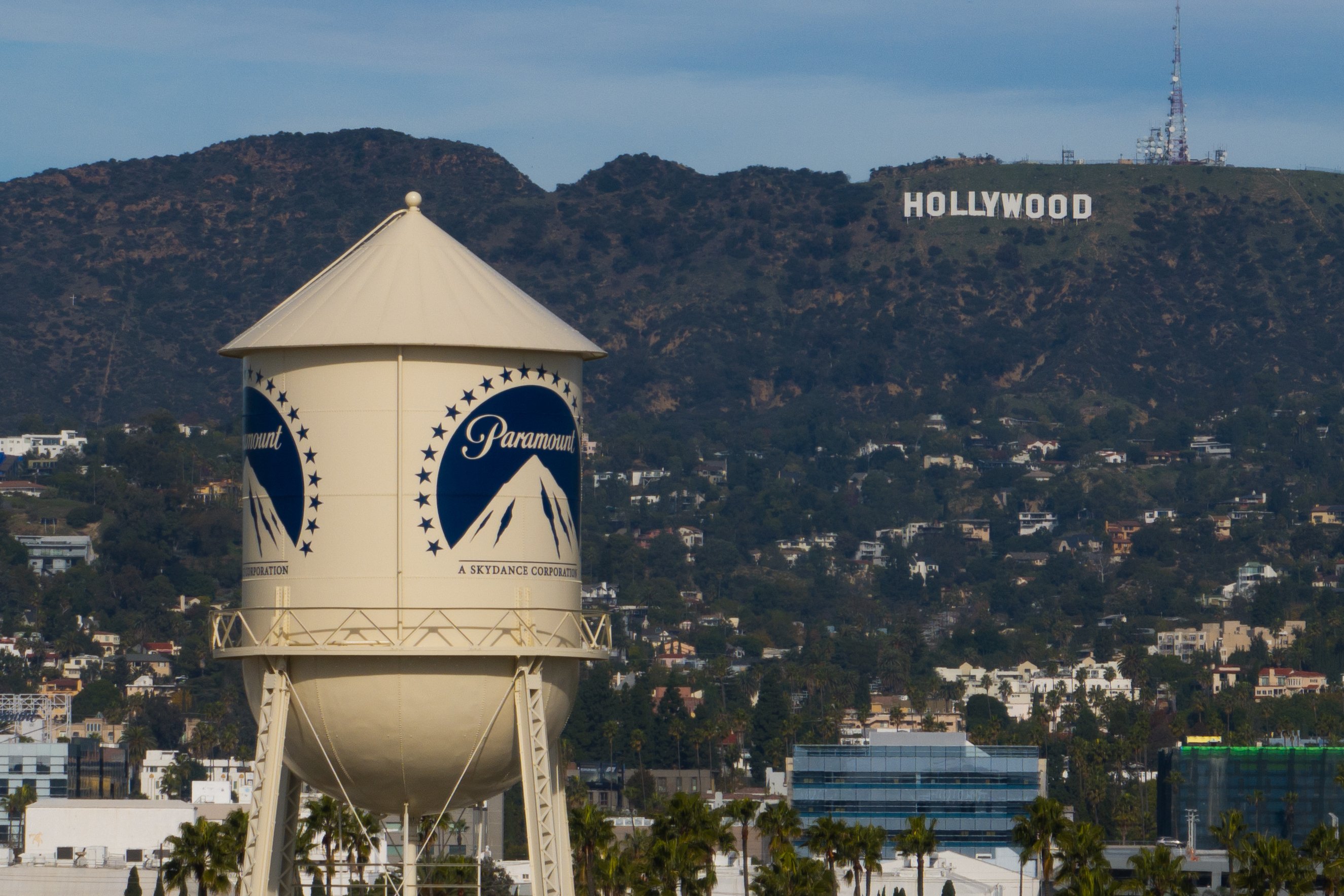
The board of Warner Bros. Discovery voted Thursday to approve the company's sale to Paramount, setting the stage for a media behemoth that would control a vast portfolio of entertainment, live sports, and news assets. The decision, announced after months of negotiations, gives the green light to a transaction that would combine Warner Bros.' film and television studios, CNN, HBO, and Discovery's reality programming with Paramount's CBS, Nickelodeon, and its own film studio.
The vote follows Paramount's victory in a bidding war against Netflix, which had also sought to acquire the debt-laden media conglomerate. Warner Bros. Discovery had been on the market for over a year, struggling with declining revenue from its linear TV channels and looming debt payments. The deal is valued at $84 billion, including debt assumption.
The merger now heads to the Trump administration's Department of Justice for antitrust review, a process that could be contentious. Democratic lawmakers have already raised concerns about media consolidation, and some state attorneys general have signaled they may challenge the deal in court. The transaction is expected to close in the third quarter of 2026.
David Zaslav, Warner Bros. Discovery's CEO, framed the sale as a strategic move to build a next-generation media company. “Over the past four years, our teams have transformed Warner Bros. Discovery and returned the company to industry leadership,” Zaslav said in a statement. “We will continue to work with Paramount to complete the remaining steps in this process.”
Paramount is owned by billionaire father-son duo Larry and David Ellison, who have close ties to President Trump. The Ellisons have already begun reshaping CBS News, vowing to shift its editorial approach to appeal to a more politically diverse audience. The acquisition would put CNN, a network Trump has frequently attacked, under the same corporate umbrella as CBS, raising questions about the future of independent journalism at both outlets. Trump has repeatedly said he wants to see CNN under new ownership.
The deal has sparked backlash from Hollywood's creative community. More than 100 actors, directors, and producers signed an open letter warning that the merger would “further consolidate an already concentrated media landscape, reducing competition at a moment when our industries—and the audiences we serve—can least afford it.” The letter, published this week, echoes broader concerns about the power of a handful of corporations to control what viewers see and hear.
Industry analysts predict the combined company would wield enormous leverage over streaming platforms, theater chains, and advertisers. The merger would also give Paramount control over Warner Bros.' lucrative intellectual property, including DC Comics, Harry Potter, and Game of Thrones franchises, alongside its own Star Trek and SpongeBob SquarePants properties.
The political implications are significant. The deal would place CNN under the same ownership as a network that has aligned itself with Trump, potentially altering the cable news landscape. Some Democratic state attorneys general are exploring legal avenues to block the merger, citing antitrust concerns and the risk of reduced media diversity.
For a deeper look at how this merger fits into the broader pattern of media consolidation, read our coverage of Hollywood's opposition to the Paramount-Warner deal. Meanwhile, the White House has been dealing with its own security issues, as a breach at the White House perimeter earlier this week left a Secret Service officer injured.