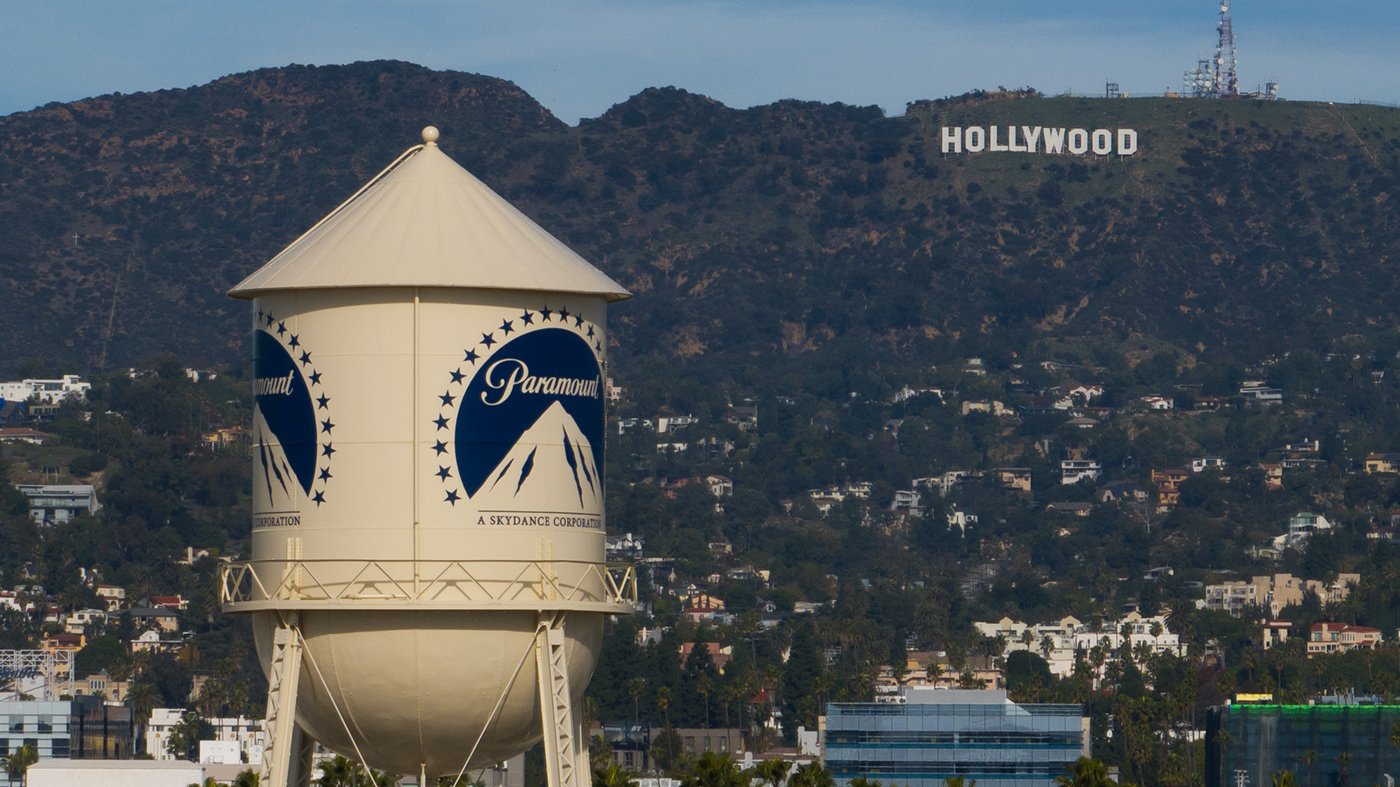
A significant faction of the entertainment industry is mounting organized resistance to the proposed consolidation of Paramount and Warner Brothers, with more than a thousand actors, directors, and producers signing an open letter condemning the deal. The group, which includes high-profile figures like Bryan Cranston, Ben Stiller, and Glenn Close, warns the merger would trigger a major contraction in an already concentrated media landscape.
Industry Warns of Consolidation Consequences
The letter argues the transaction arrives at a precarious moment for both the industry and audiences, stating that reduced competition would lead to fewer opportunities for creators, significant job losses across production, higher costs, and diminished choice for viewers globally. A central concern is that the deal would shrink the number of major U.S. film studios to just four, concentrating unprecedented control over content creation and distribution.

"Competition is essential for a healthy economy and a healthy democracy," the coalition wrote. "So is thoughtful regulation and enforcement. Media consolidation has already weakened one of America's most vital global industries—one that has long shaped culture and connected people around the world."
Regulatory and Political Scrutiny Intensifies
The signatories specifically commended California Attorney General Rob Bonta, a Democrat, for his office's scrutiny of the merger and its consideration of legal action to block it. This regulatory challenge forms a critical hurdle for a deal that must also clear review by the U.S. Department of Justice. The merger was finalized late last year after a separate proposed union between Netflix and Warner Brothers Discovery collapsed.
The political dimensions of the deal are pronounced. Paramount is owned by Larry and David Ellison, billionaire allies of former President Donald Trump who have already initiated sweeping changes at the company. The previous concern from Trump and other conservatives regarding Netflix's market share has now shifted to this new proposed entity. This corporate alignment occurs amid broader political tensions, such as when figures have criticized Trump's foreign policy maneuvers as economically disruptive.
The entertainment industry's mobilization mirrors a wider trend where political and corporate actions face organized opposition from influential coalitions. This is evident in other sectors, from tech leaders challenging state AI regulations to the heightened security measures taken as threats against political officials continue to rise.
Broader Implications for Media and Democracy
The open letter, first reported by the New York Times, frames the issue beyond mere corporate finance, positioning media diversity as a democratic imperative. The argument suggests that excessive consolidation threatens the cultural export power of the United States and the plurality of voices available to the public.
With the deal anticipated to close later this year pending regulatory approval, the opposition from within Hollywood itself adds a potent layer of scrutiny. It signals that the battle over the merger will be fought not only in courtrooms and regulatory agencies but also in the court of public opinion, leveraging the cultural capital of the industry's most recognizable faces to shape the outcome.