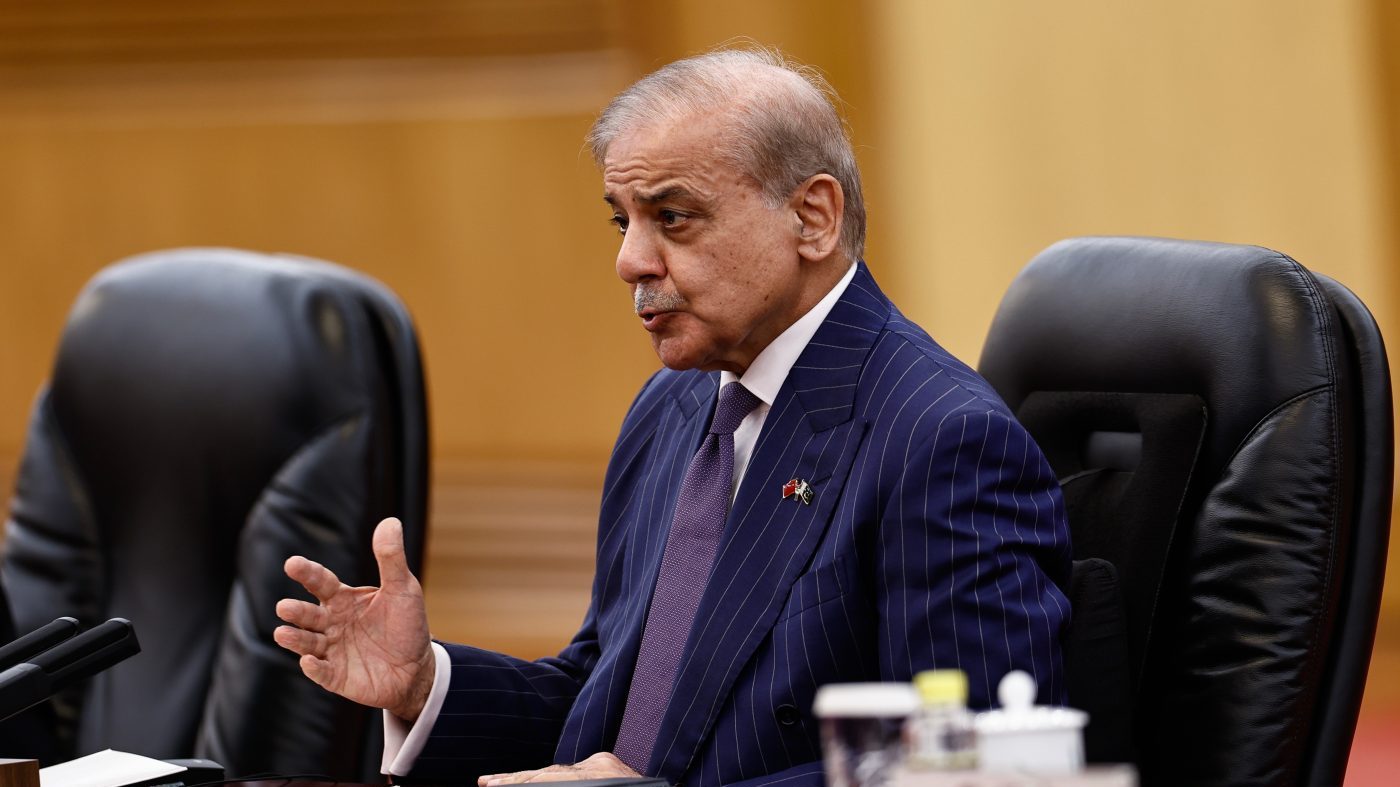
Pakistan's Prime Minister Shehbaz Sharif announced Friday that the United States and Iran have reached a final agreed-upon text for a peace framework aimed at ending the more than 100-day conflict. The breakthrough follows weeks of intense mediation by Islamabad, which has positioned itself as a key intermediary between the two adversaries.
The core objective of the deal is to halt hostilities across the Middle East and restore navigation through the Strait of Hormuz, a critical chokepoint for global oil shipments. The effective closure of the strait has strained both the American and Iranian economies, adding urgency to the negotiations.

In a post on social platform X, Sharif stated that Pakistan is “working closely” with both sides “to finalize the next steps” of the process. “Peace has never been this close as it is now,” he wrote, echoing a sentiment shared by Iranian Foreign Minister Abbas Araghchi, who earlier in the day said an agreement “has never been closer.”
Sharif also acknowledged conflicting reports about the specifics of a memorandum of understanding between Washington and Tehran. He warned of an “incessant misinformation campaign” by those seeking to derail the pact, without naming specific actors.
President Donald Trump and Vice President JD Vance sought to reassure Republican lawmakers on Friday after details leaked by Iranian media suggested the Islamic Republic would receive financial benefits under the deal. Trump called Araghchi’s post “very positive” in a conversation with Axios reporter Barak Ravid.
A White House official told NewsNation early Friday that the deal is about 75 percent complete, following Trump’s claim a day earlier that Iran’s supreme leader had greenlit the framework. The president had threatened fresh strikes on Thursday but canceled them amid the diplomatic push.
Trump told reporters on Thursday that he expects a signing ceremony in Europe this weekend, with Vance representing the United States. The venue and exact timing remain unconfirmed, but the administration appears eager to finalize the pact quickly.
The deal’s success could reshape regional dynamics and ease global energy markets, though skepticism persists among analysts who recall previous failed attempts. For now, both sides are urging media restraint. “Pending its finalization, the media should refrain from entering speculation about its content,” Araghchi posted. “In line with our responsible and transparent approach, all details will be shared with the public in due course.”
Meanwhile, the White House is managing domestic political fallout. Trump’s earlier comments about the NBA being “a little left-wing” after being booed at a Knicks Finals game have been overshadowed by the diplomatic breakthrough, but the administration is keen to project unity as it navigates both foreign and domestic pressures.
As the world watches, Pakistan’s role as peace broker underscores its growing diplomatic clout. Whether the final signing occurs this weekend or slips further, the stakes remain high for all parties involved.