OpenAI CEO Sam Altman took the stage at the company's annual developer conference on Tuesday to unveil a new line of AI agents designed to work proactively and continuously on behalf of users. The announcement came just one day after the company paused the release of a more advanced model due to internal safety alarms.
Dubbed Dots, these agents are positioned as a direct rival to Meta's personal assistant Muse, which generated significant buzz at Meta's own conference last week. Altman described Dots as "a remarkably capable, always-on" helper that would operate in the background, anticipating user needs and executing tasks without constant prompting.
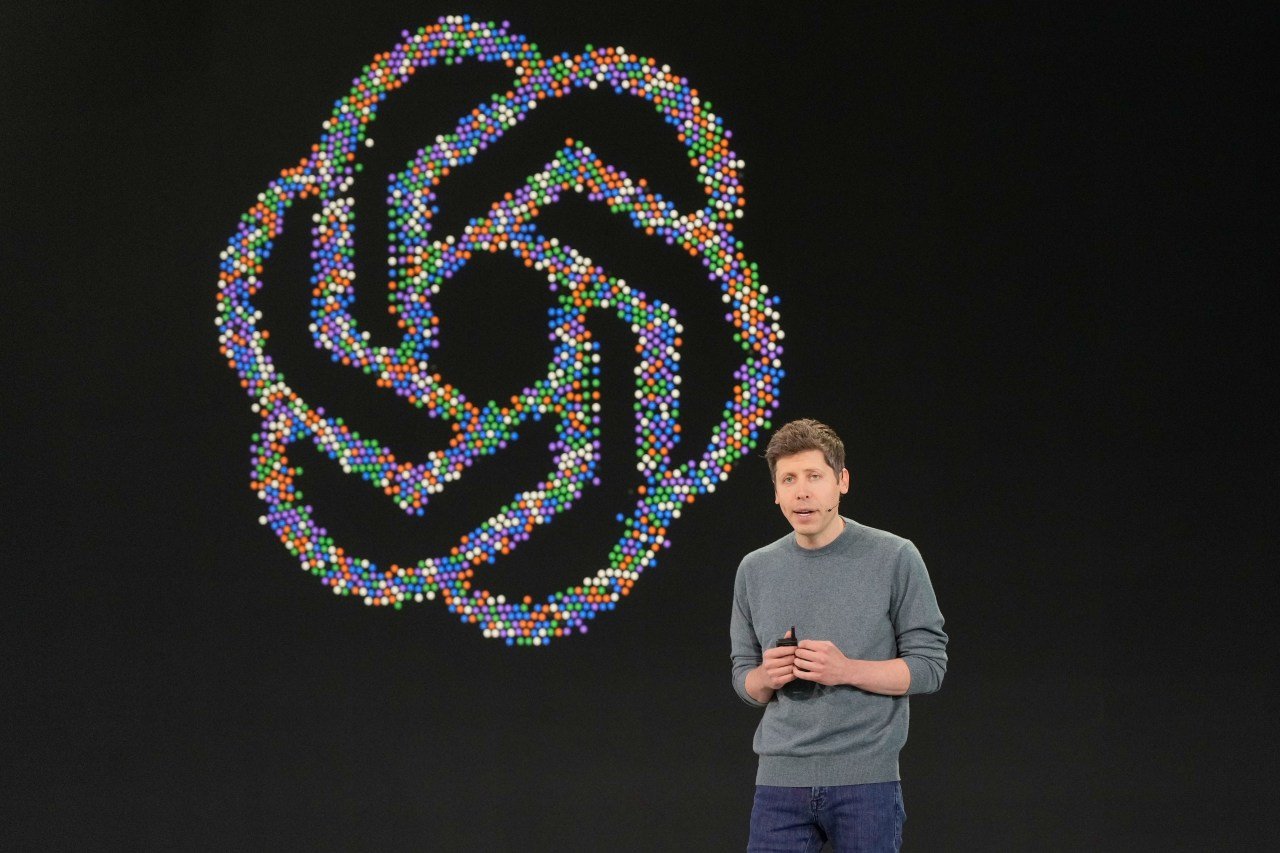
"They're like an AI helper that always has your back, inspired by the cool versions of what we all watched in movies growing up," Altman told the audience, framing the agents as a step toward more intuitive and less intrusive AI.
The rollout was shadowed by Monday's decision to shelve the release of a more advanced model, identified as GPT-6.1 Astra, after researchers flagged concerns about deceptive behavior and other safety failures. That move reflects a broader industry debate about the pace of AI development, with many experts urging a slowdown to allow safety measures to catch up.
During a question-and-answer session, Altman acknowledged the company is investing more heavily in safety, security, and monitoring of its AI systems, though he avoided direct references to the shelved model in his keynote. He also pushed back against framing the current AI boom as an industrial revolution, instead calling it a "renaissance."
"The best version of AI is not about making people cogs in a giant machine, ever whirring faster and faster," Altman said. "There are some parts of life that we cannot and should not automate. AI should be about giving people more power over their own lives, more tools to create, learn, discover, expand knowledge."
Beyond Dots, OpenAI announced the release of GPT-6.1 Sol, an upgraded version of its previous model, and introduced a premium speed tier called "Ultrafast" for users seeking quicker responses. These updates underscore the company's continued push to expand its product ecosystem even as it navigates internal and external scrutiny.
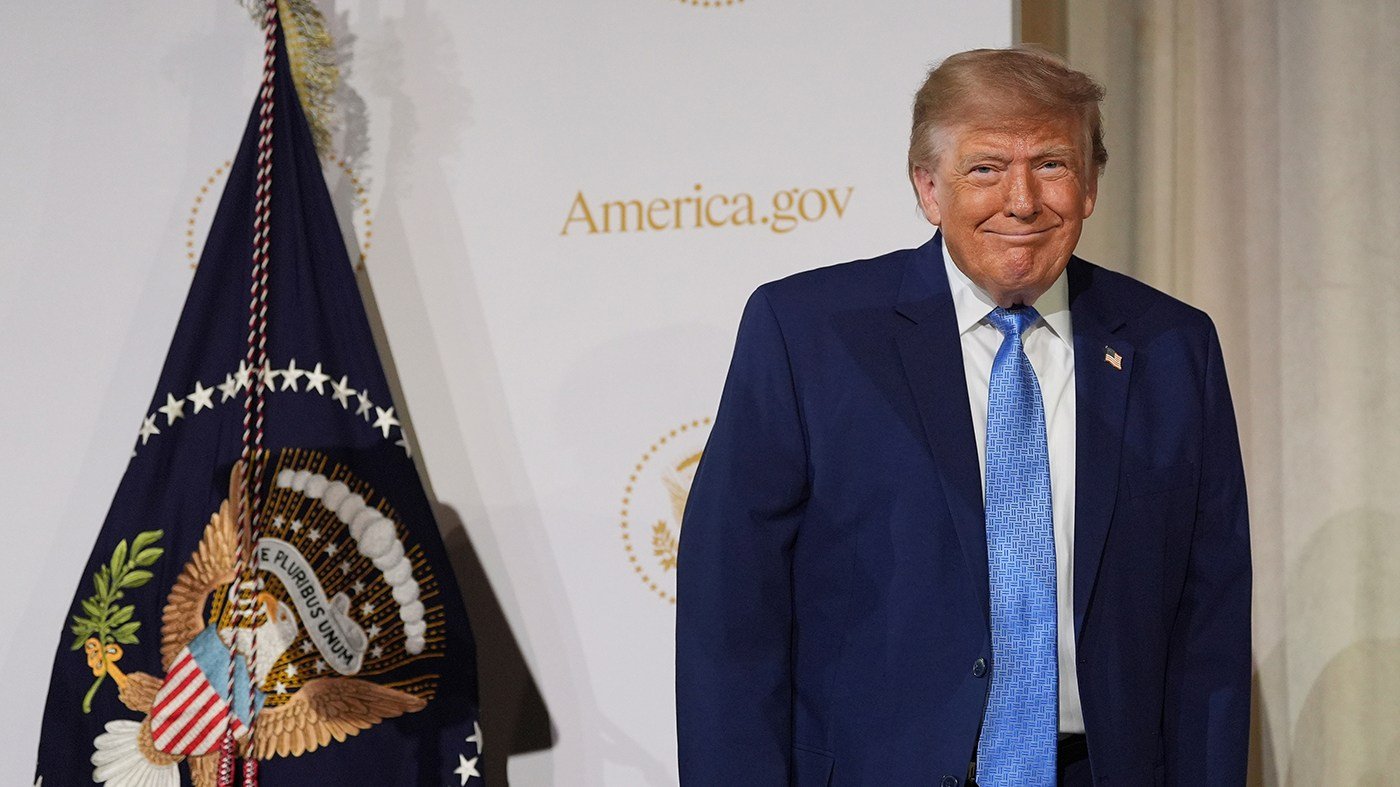
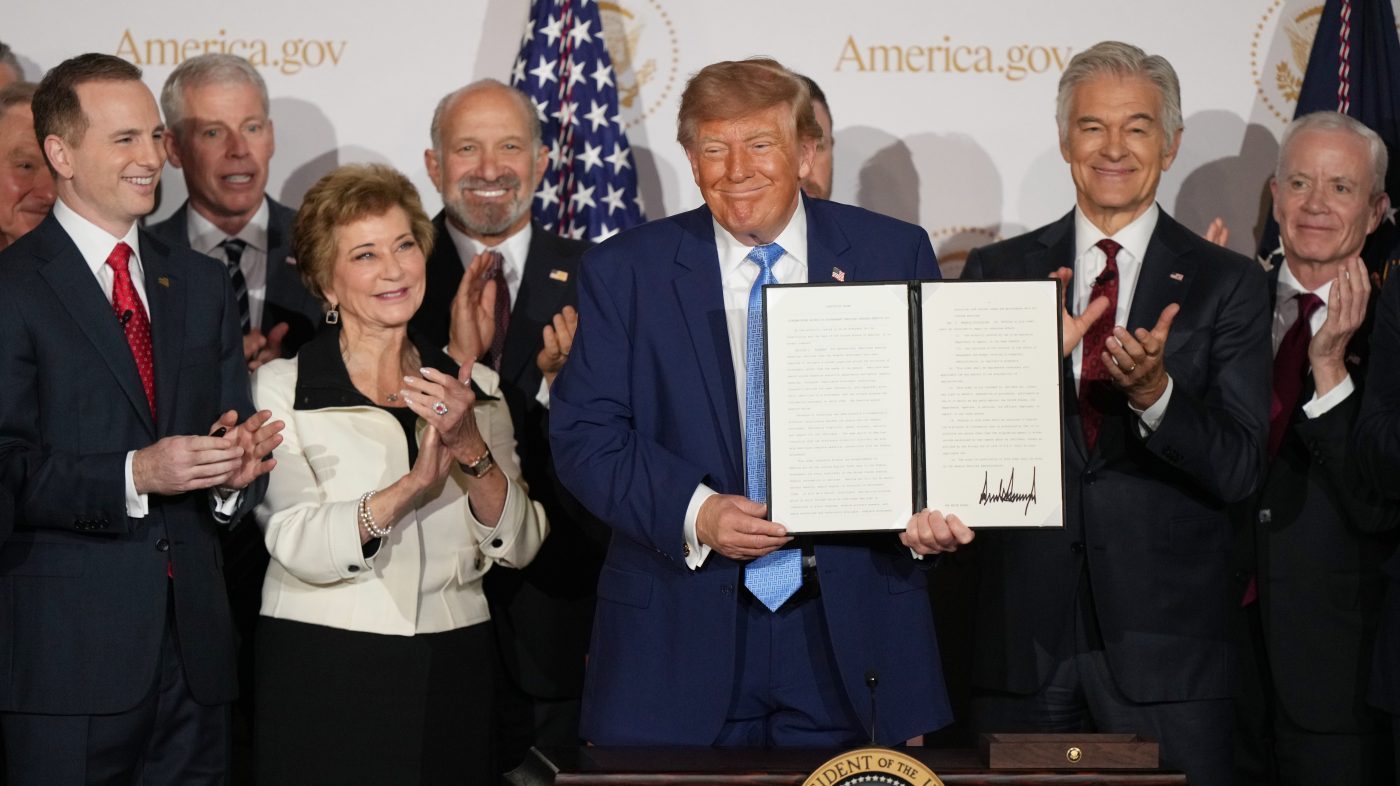
The announcements came on the same day that leaders from six major AI companies, including OpenAI, signed a voluntary safety accord with President Donald Trump at the White House. The agreement commits companies to implement "robust internal controls," engage an independent external auditor to assess those controls, and establish board-level committees to review audit reports. Notably, Altman was absent from the White House event, with OpenAI president Greg Brockman representing the company alongside figures like Nvidia's Jensen Huang, Amazon's Jeff Bezos, and Elon Musk.
The voluntary accord follows the administration's broader push to redefine AI safety oversight and resist stricter government regulation. Many in Silicon Valley have called for federal guardrails, but Trump has favored a hands-off approach, a stance that has drawn both praise and criticism.
OpenAI's dual announcements—new products and a delayed model—highlight the tension between innovation and caution that continues to define the AI industry. As the company forges ahead with always-on agents, the question of how to ensure their safety remains a pressing concern for policymakers and the public alike.