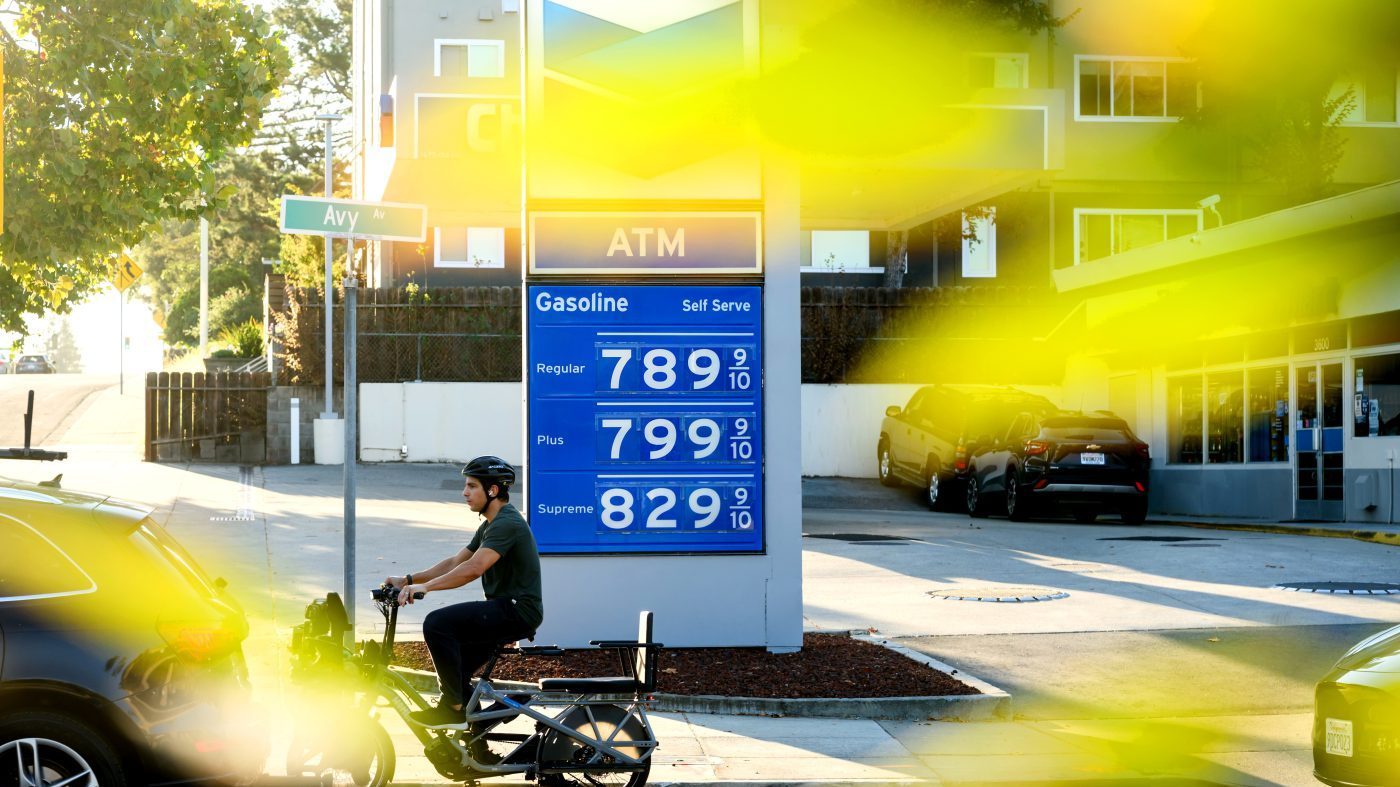
Crude prices spiked on Thursday following reports that the White House is actively considering fresh military action against Iran, a move that could reshape the energy market and the political landscape just weeks before the November elections. Brent crude, the global benchmark, surged 4.4% to $104.60 per barrel, while West Texas Intermediate (WTI) jumped 3.91% to settle at $92.19. The national average for regular gasoline stood at $4.36, slightly down from last week's $4.41, according to AAA.
According to U.S. officials cited by Axios, the Pentagon has directed U.S. Central Command (Centcom) to finalize preparations for a potential resumption of combat operations in Iran. While no final decision has been made, the contemplated strikes are expected to target Iranian energy infrastructure, nuclear facilities, and other strategic assets. The Atlantic first reported that the Trump administration could act before the midterms, a timeline that some Republicans believe could bolster their chances of retaining control of Congress.
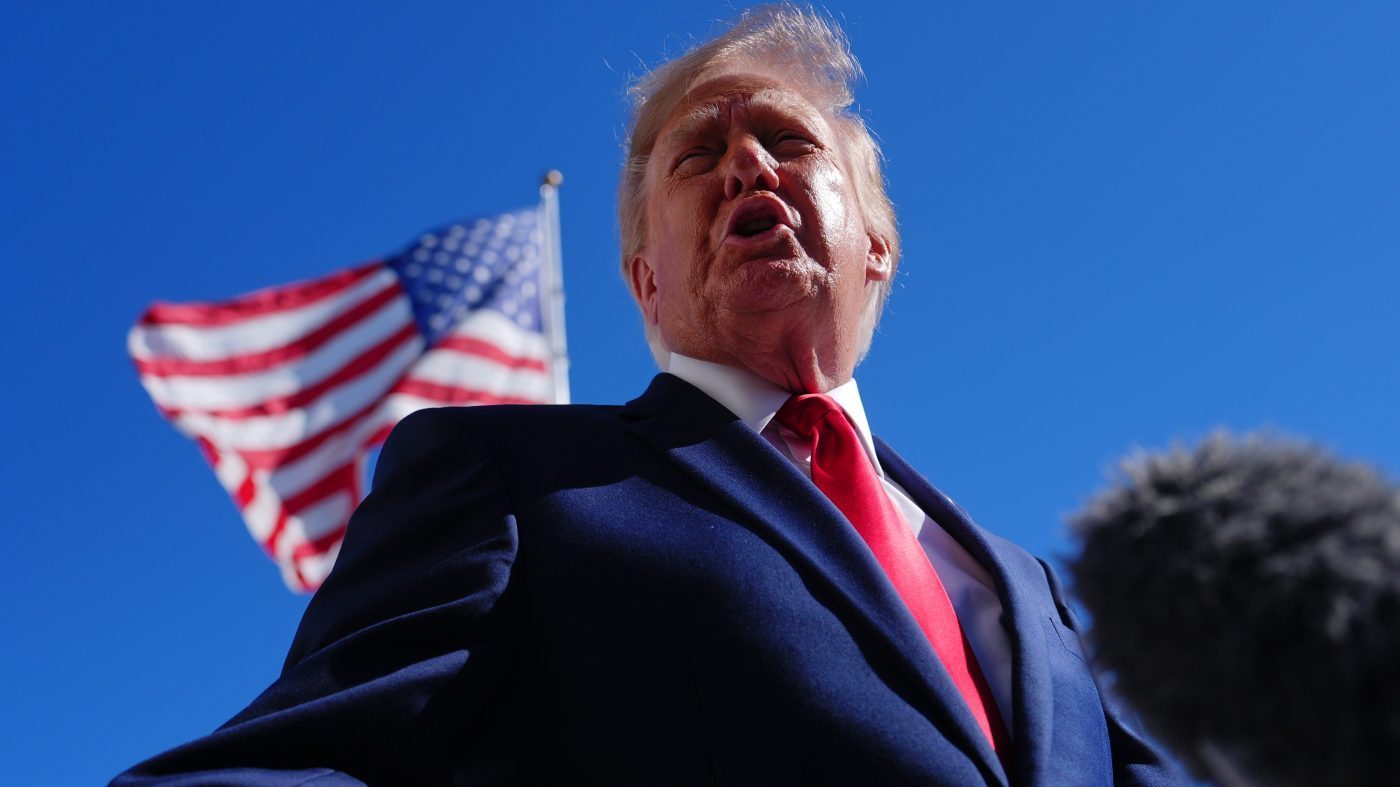
“It would make the president look like he got a win and that gas prices would start going down,” a Republican familiar with the deliberations told The Atlantic. The White House, in a statement to The Hill, said that “all options” remain on the table, emphasizing that the U.S. “is in a very strong position with control of the Strait of Hormuz and the Iranian economy collapsing.”
The U.S. military has maintained a naval blockade at Iranian ports in the Strait of Hormuz, which Iran effectively closed after the conflict began on Feb. 28. The closure and subsequent tit-for-tat attacks have driven oil prices higher, given that the strait handles roughly 20% of the world's oil and gas shipments. President Trump has repeatedly threatened to resume strikes, including in his recent address to the United Nations General Assembly, where he warned that Iran could be “annihilated.” He has since hinted that action could come before Election Day.
Israeli officials told Axios that while discussions about a U.S. strike have intensified, an attack before the midterms cannot be ruled out. “After the midterms the chances of it happening increase significantly,” one official said. The timing could also align with Israel's own elections later this month, where Prime Minister Benjamin Netanyahu faces a tough reelection bid amid public anger over the Oct. 7, 2023, Hamas attack that killed over 1,000 Israelis. Opponents have labeled his coalition the “massacre government,” according to the Associated Press.
The potential for strikes has immediate market implications. OPEC+ has kept output steady for November, but any disruption to Iranian supply could tighten the market further. Meanwhile, the White House has sought to manage domestic fuel prices, with an executive order to ease diesel fuel tax restrictions amid record prices. However, Trump has attributed rising gas prices to refinery issues, not the Hormuz blockade, a stance that critics dispute.
Trump has acknowledged the political risks, saying that while the conflict “should help” Republican odds, “it's possible” it could backfire. The developments come as the administration faces scrutiny over its Iran policy, with signals that a pre-midterm strike is under active consideration. As the clock ticks down to the elections, the intersection of energy prices, national security, and political survival is becoming increasingly volatile.