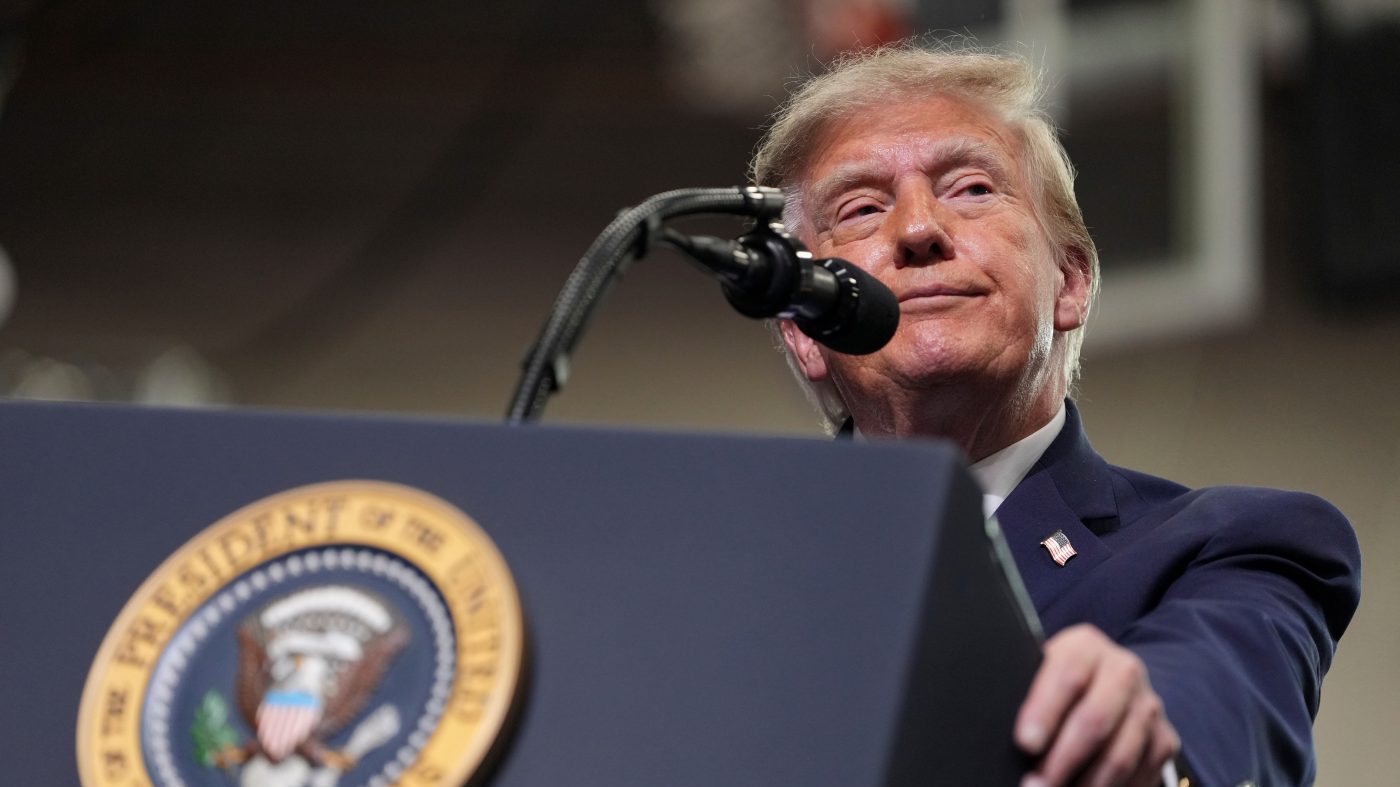
President Trump on Monday sought to reframe the narrative around surging gasoline prices, asserting that refinery disruptions—not Iran's closure of the Strait of Hormuz—are the primary culprit. In a post on Truth Social, Trump wrote that "Record Numbers of Barrels" are flowing, but the real issue lies with refineries: Russia's being hit by Ukraine and U.S. facilities in "Blue States, like California" being shut down by "Dumocrats," his derogatory term for Democratic officials.
Trump's comments come amid a broader geopolitical crisis, with the U.S.-Israeli conflict against Iran stretching on and the Strait of Hormuz—a critical chokepoint for global oil—closed by Tehran. The president's claim, however, has drawn pushback from energy analysts who point to a complex mix of factors driving prices.
Tom Kloza, chief petroleum analyst at Gulf Oil, told The Hill that Trump's reference to the Russia-Ukraine war's impact on refineries is "partially right," but he emphasized that the price of Persian Gulf crude has skyrocketed to $33 per barrel, up from $1.75 in February. "That's insurance and freight and all the risk premiums," Kloza explained. "As long as that continues, you're going to have this incredible risk premium that's attached to the price of crude, even though you may be getting as much crude as you were getting on Feb. 28."
The president's latest statement follows a similar post over the weekend, after a phone call with Ukrainian President Volodymyr Zelensky, in which he highlighted Ukrainian strikes on Russian infrastructure, claiming Russia has lost "control of its diesel oil industry." The Ukrainian Defense Ministry took credit for disabling 51% of Russia's oil refining capacity, with attacks ranging from Moscow to Siberia causing a major fuel crisis earlier this year.
As the Iran conflict and the Russia-Ukraine war continue to disrupt global energy markets, U.S. gas prices have climbed to a national average near $4.50 in recent weeks, up from $3.13 last year, according to AAA. On Monday, the average stood at $4.37, with diesel hitting $6.53. These stubborn prices are becoming a political liability for the administration heading into the November midterm elections, with Republicans calling for an end to the Iran conflict to ease costs.
Meanwhile, U.S. special envoys Steve Witkoff and Jared Kushner have been engaged in months-long negotiations to end the four-year Russia-Ukraine war. Talks reportedly include a multibillion-dollar deal that would benefit Middle Eastern business executives tied to the lead negotiators, according to The New York Times. The administration is also facing scrutiny over diverted border funds and other controversies, but energy prices remain a key voter concern.
Trump's focus on refinery disruptions may resonate with voters, but analysts caution that the risk premium from Hormuz is a significant factor. "Even if crude volumes are similar, the risk premium is baked into every barrel," Kloza noted. As the midterm elections approach, the White House faces pressure to address both conflicts and stabilize prices, though no clear endgame is in sight.
The president's comments also come amid his broader efforts to restart peace talks, with Trump having spoken to Zelensky and pushing for a resolution. However, the ongoing attacks on refineries and the closure of Hormuz suggest that energy markets will remain volatile, keeping gas prices high and the political debate heated.