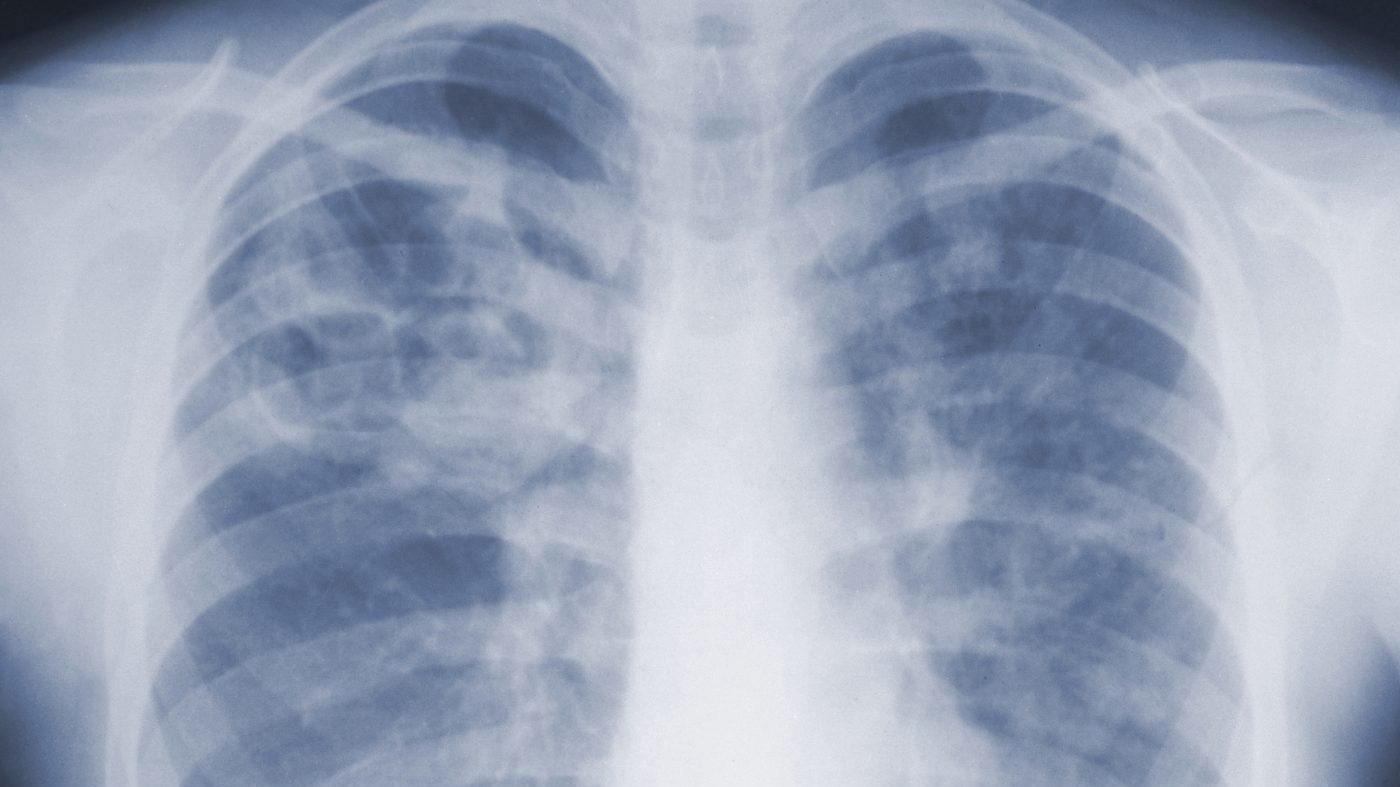
President Trump on Monday voiced concern over a suspected case of pneumonic plague in Russia, saying the United States is closely monitoring the situation and stands ready to assist. Speaking to reporters before departing for Nebraska, Trump said, "I hate to see them having it. It's a rough disease. We used to be able to control, but somehow those microbes have gotten stronger and smarter."
The State Department confirmed it is tracking the suspected case in Irkutsk Oblast, Russia. A department official said, "Many details have not been confirmed. We encourage Russian authorities to share accurate information quickly and openly." The official added that plague is a known disease, treatable with common antibiotics, especially when caught early, and that cases occur naturally in many parts of the world.

Trump's comments echo a broader concern about evolving pathogens. "The germs have really become relatively stronger than they were, and things that used to work on pneumonia don't work as well anymore," he said, drawing a distinction between pneumonic plague and typical pneumonia.
Pneumonic plague, caused by Yersinia pestis bacteria, is a rare and often fatal disease that spreads through respiratory droplets from infected animals or people, according to the Centers for Disease Control and Prevention (CDC). It is distinct from pneumonia, which is inflammation of the lungs.
NBC News reported that in Siberia, around 200 people are under medical observation after a 28-year-old lab worker, possibly exposed to the plague, died. The Russian consumer welfare service said the worker, employed at a plague-fighting institute in Irkutsk, died from "pneumonia of unknown etiology."
Trump said the US would "help" Russia with the potential outbreak, though he did not specify what form that assistance might take. The State Department's cautious tone suggests that Washington is awaiting more concrete information from Moscow.
This development comes amid broader public health and political tensions. The White House has been pushing for more transparency in health data, as seen in recent efforts to simplify hospital price reporting. Meanwhile, the administration faces scrutiny over other matters, including allegations of diverting border funds for political ads.
Experts note that while pneumonic plague is serious, it is treatable with antibiotics if diagnosed early. The CDC emphasizes that prompt treatment is critical to reduce mortality. The situation in Russia remains fluid, with health authorities working to contain any potential spread.
As the story develops, the international community will be watching how Russia handles the outbreak and whether it cooperates with global health protocols. The US response, as articulated by Trump, signals a willingness to engage, but also underscores the need for reliable information.