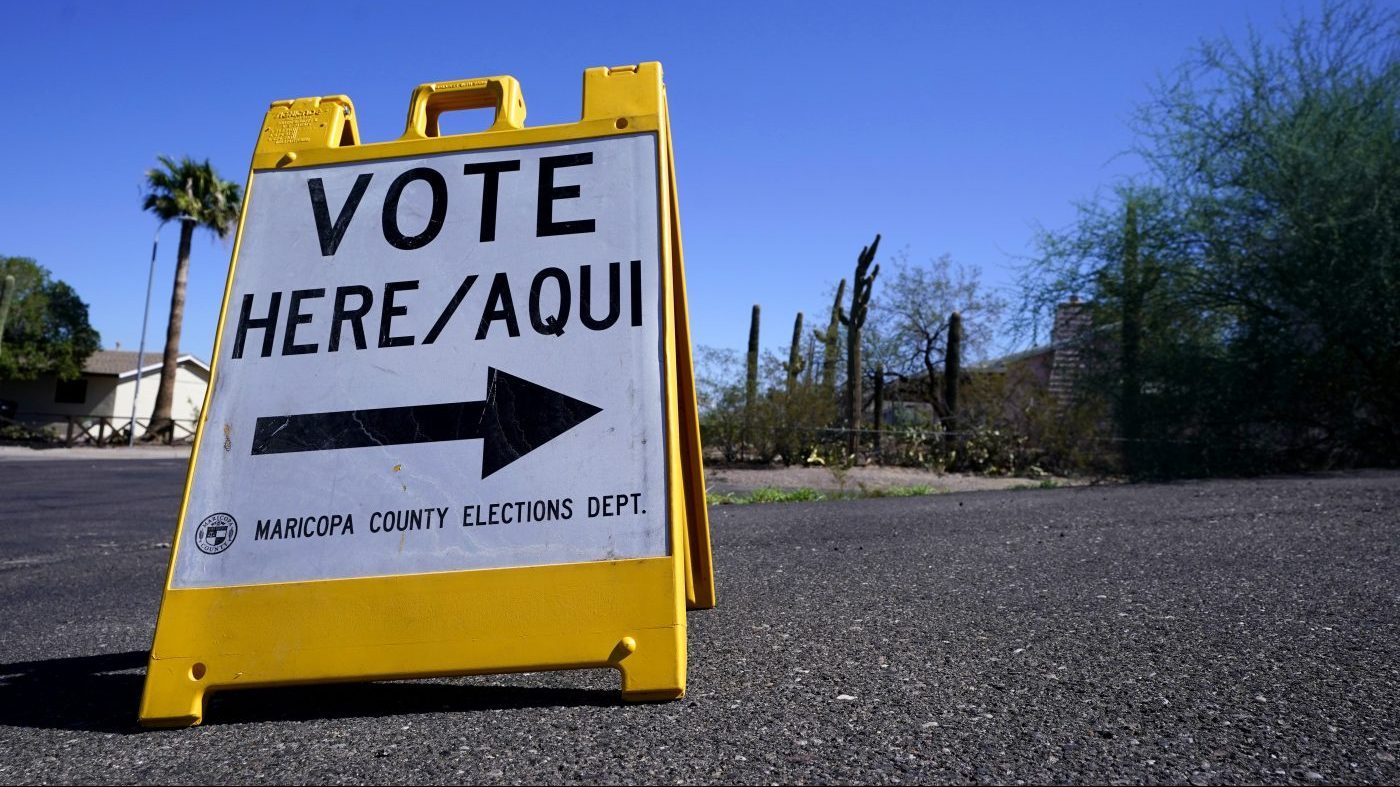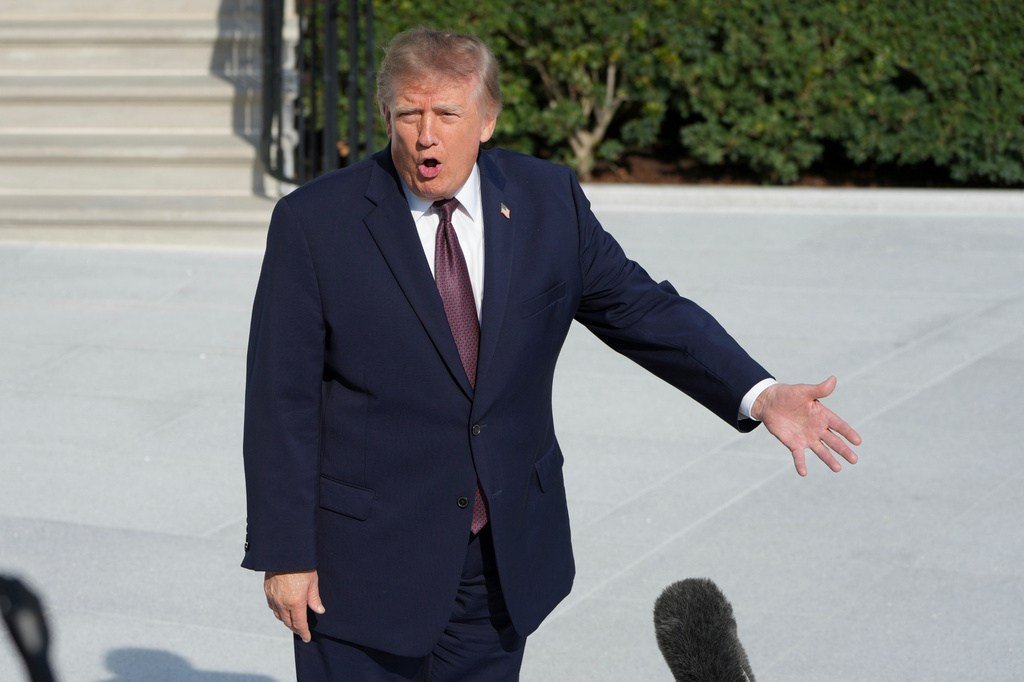
President Donald Trump, despite raising hundreds of millions in PAC money, is reportedly using taxpayer dollars to finance political advertisements. The ads, which appear designed to boost Republican candidates weighed down by the president's historically poor approval ratings, have triggered accusations of propaganda and legal violations.
According to the Washington Post, the administration is diverting $20 million allocated by Congress for border security upgrades, drug trafficking prevention, and memorials for fallen officers to fund the ads. Critics, including Svante Myrick, president of People For the American Way, call the move a blatant misuse of public funds and a violation of the law.
One of the ads is essentially a rerun of a 2024 campaign spot, with Trump pledging to "expel the warmongers from our government." The irony is not lost on observers, given the president's appointment of a defense secretary known for his focus on "lethality" and the ongoing military actions in Iran that have driven up gas prices and depleted weapons stockpiles.
A White House spokesperson has defended the ads, claiming they are "reminding Americans to love their country," a characterization that former Bush administration officials have dismissed as "sheer propaganda." The ads are widely seen as an attempt to shore up Trump's personal standing and energize his base ahead of the midterms.
This is not the only instance of taxpayer money being used for political purposes. In September, the White House launched Trump TV, an official streaming channel devoted to favorable coverage of the president. Days later, the Trump family business empire sought to trademark the channel's name, raising additional ethical concerns.
The administration has also intensified its attacks on the press, banning reporters from CNN, MSNBC, and Politico from White House events. A federal judge issued a temporary restraining order, but the White House has only partially complied, and the Associated Press remains restricted over its refusal to adopt the administration's renaming of the Gulf of Mexico.
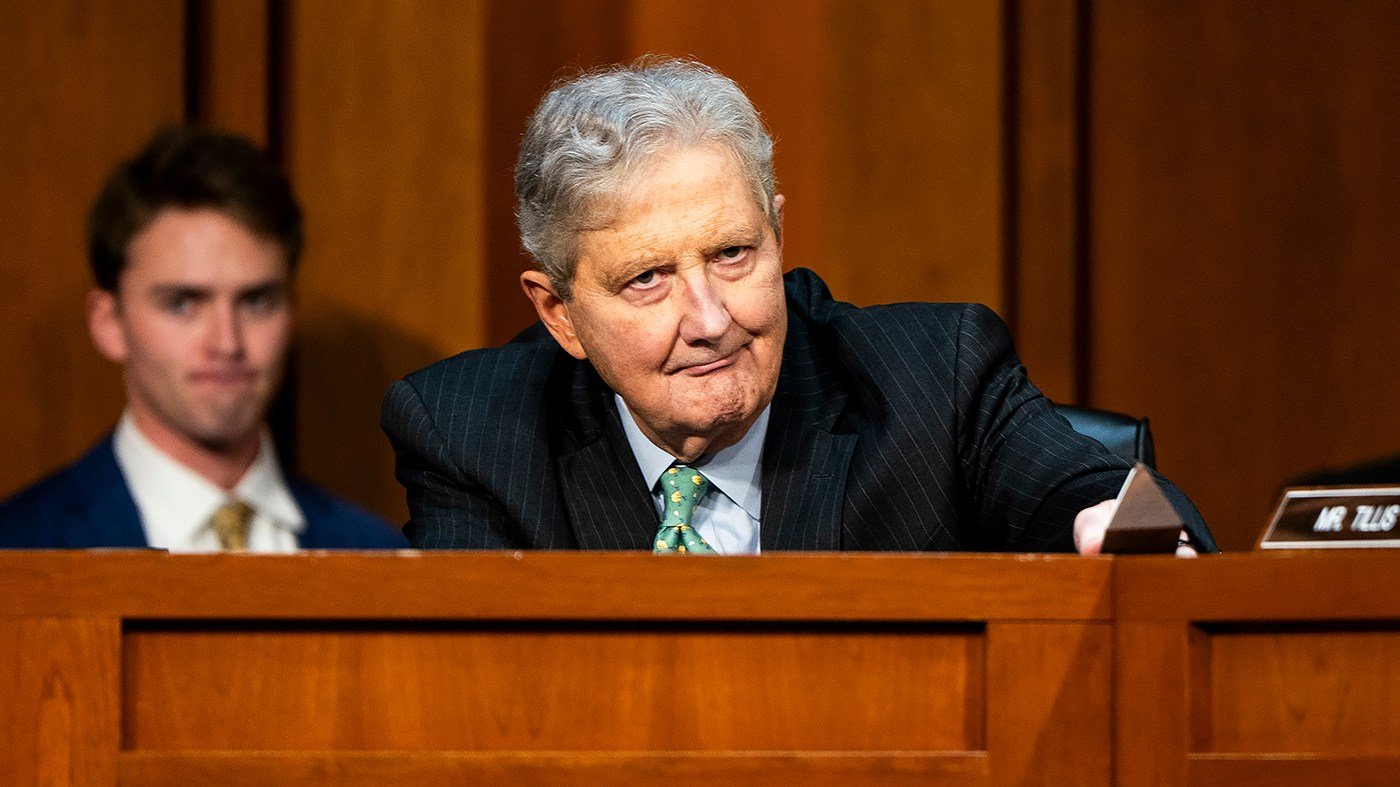
Congressional Republicans have largely remained silent, though some have expressed unease. The president's approval rating remains above 60% disapproval, and his allies fear a backlash if the GOP loses the midterms. As one GOP senator noted, Trump could lash out if the party suffers defeats.
With the election just a month away, the question is whether voters will hold the president and his party accountable for these actions. As Myrick puts it, "It's up to voters to prove that inspired and organized people can beat big money."