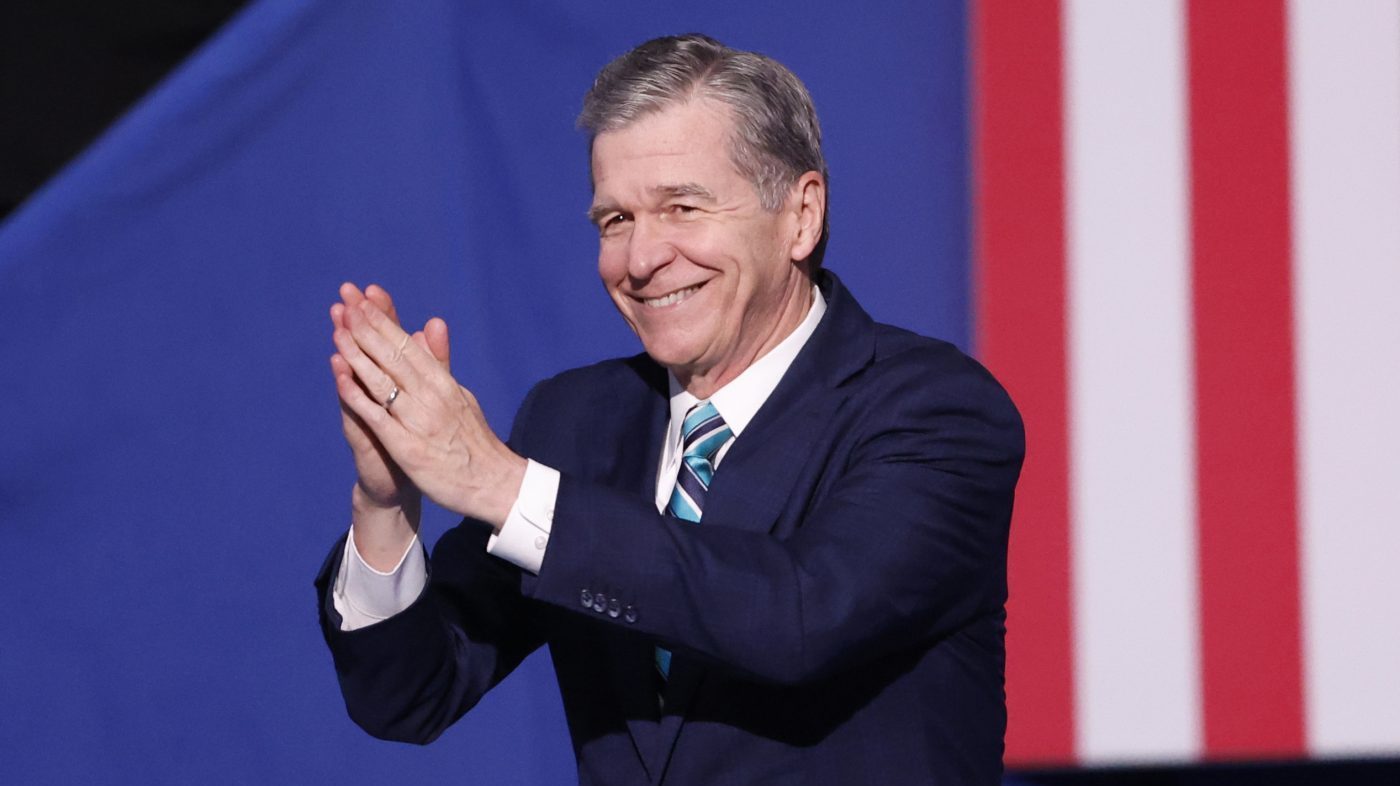
A super PAC aligned with Senate Democratic leadership is pulling down its advertising in North Carolina this week, including roughly $500,000 in television spots and about $50,000 in digital ads, according to a source familiar with the decision. The move comes as recent polling shows Democrat Roy Cooper, the former governor, holding a comfortable lead over Republican Michael Whatley, the former Republican National Committee chair.
WinSenate, which has received funding from Senate Majority PAC, the main super PAC tied to Senate Democratic leadership, made the call to withdraw the ads. The decision reflects a race that has become less competitive than originally anticipated, with surveys showing Cooper ahead by anywhere from single to double digits. The pullback signals that Democratic operatives see the Tar Heel State as a more secure pickup than previously thought.
Republicans have also adjusted their spending in the state. The Senate Leadership Fund, the primary super PAC aligned with Senate GOP leadership, recently paused $30 million in planned advertising in North Carolina. Instead, the group reserved less than $500,000 for the Kansas Senate race, where incumbent Republican Roger Marshall faces a tightening challenge from Democrat Adam Hamilton. That shift suggests Republicans are reallocating resources to shore up seats they now view as more vulnerable than North Carolina.
The North Carolina contest has long been viewed as Democrats' best opportunity to flip a Republican-held seat. With the party also eyeing potential pickups in Iowa, Kansas, and Alaska, the decision to scale back in North Carolina could free up cash for those other battlegrounds. Recent polling surges for Democrats in several states have raised questions about whether the party's broader brand is improving or whether these are candidate-specific advantages.
While forecasters largely expect Democrats to reclaim the House, the Senate remains a toss-up. Decision Desk HQ currently gives Democrats a 76 percent probability of flipping the House and a 56 percent chance of taking back the Senate. Those odds have shifted in recent weeks as Democratic candidates have outperformed expectations in key states.
The pullback in North Carolina is not an admission of weakness but rather a strategic reallocation. By moving money out of a race where Cooper is already ahead, Democrats can bolster their chances in more competitive contests. House Republicans are still eyeing pickups despite the Democratic momentum, indicating that the overall political environment remains fluid.
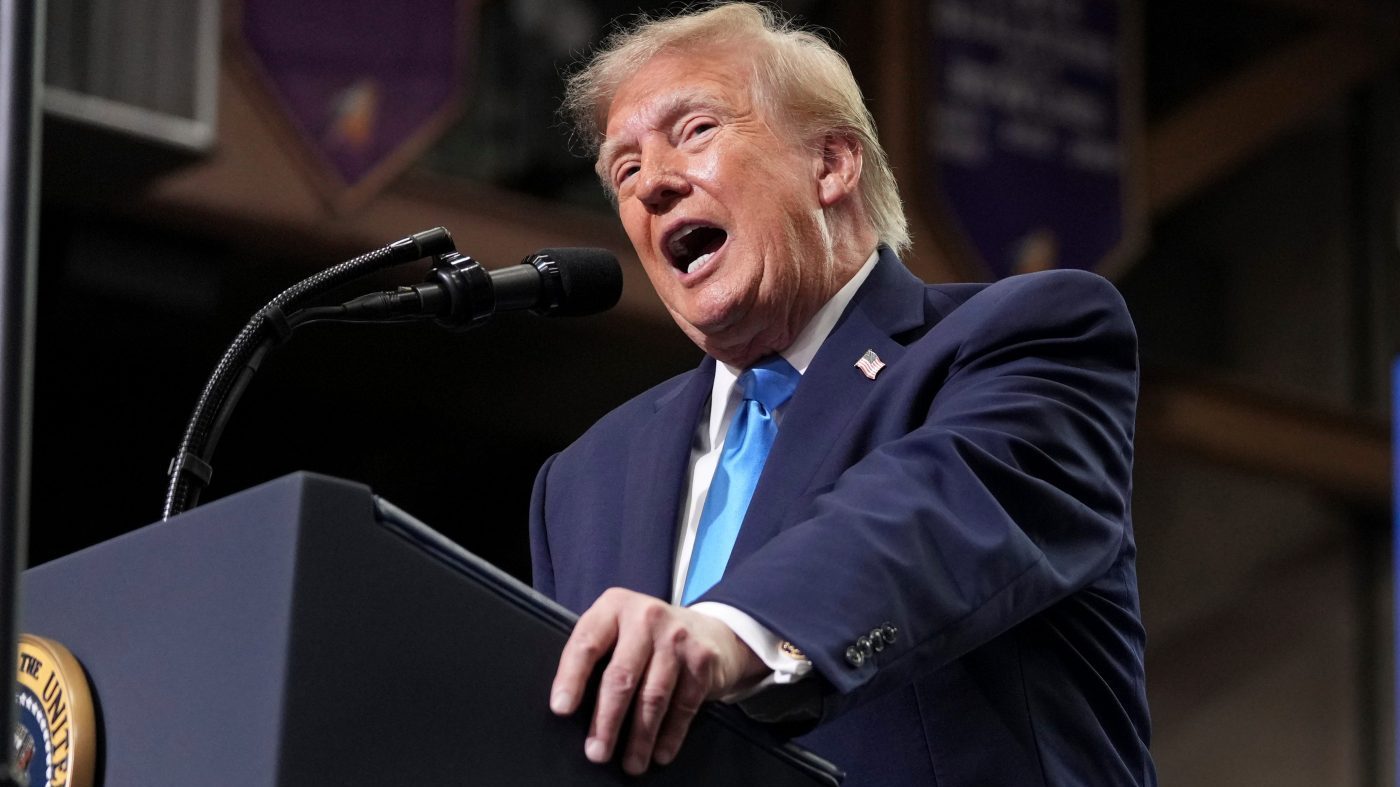
For Republicans, the decision to pause spending in North Carolina is a tacit acknowledgment that Whatley faces an uphill battle. President Trump has expressed concern about Whatley's prospects, and the GOP's spending cuts suggest they are prioritizing other states where their incumbents are more endangered.
The shifting ad buys underscore how quickly the Senate map can change. With control of the upper chamber hanging in the balance, both parties are making calculated bets on where their money will have the most impact. North Carolina may no longer be the top target for either side, but the race remains a bellwether for the broader electoral environment heading into November.