The National Football League has formally asked the Supreme Court to step into the legal battle over who gets to regulate prediction markets, arguing that these platforms are effectively sports gambling and should be subject to state oversight. In an amicus brief filed Thursday, the league warned that the current patchwork of court rulings leaves the integrity of its games and the safety of bettors in jeopardy.
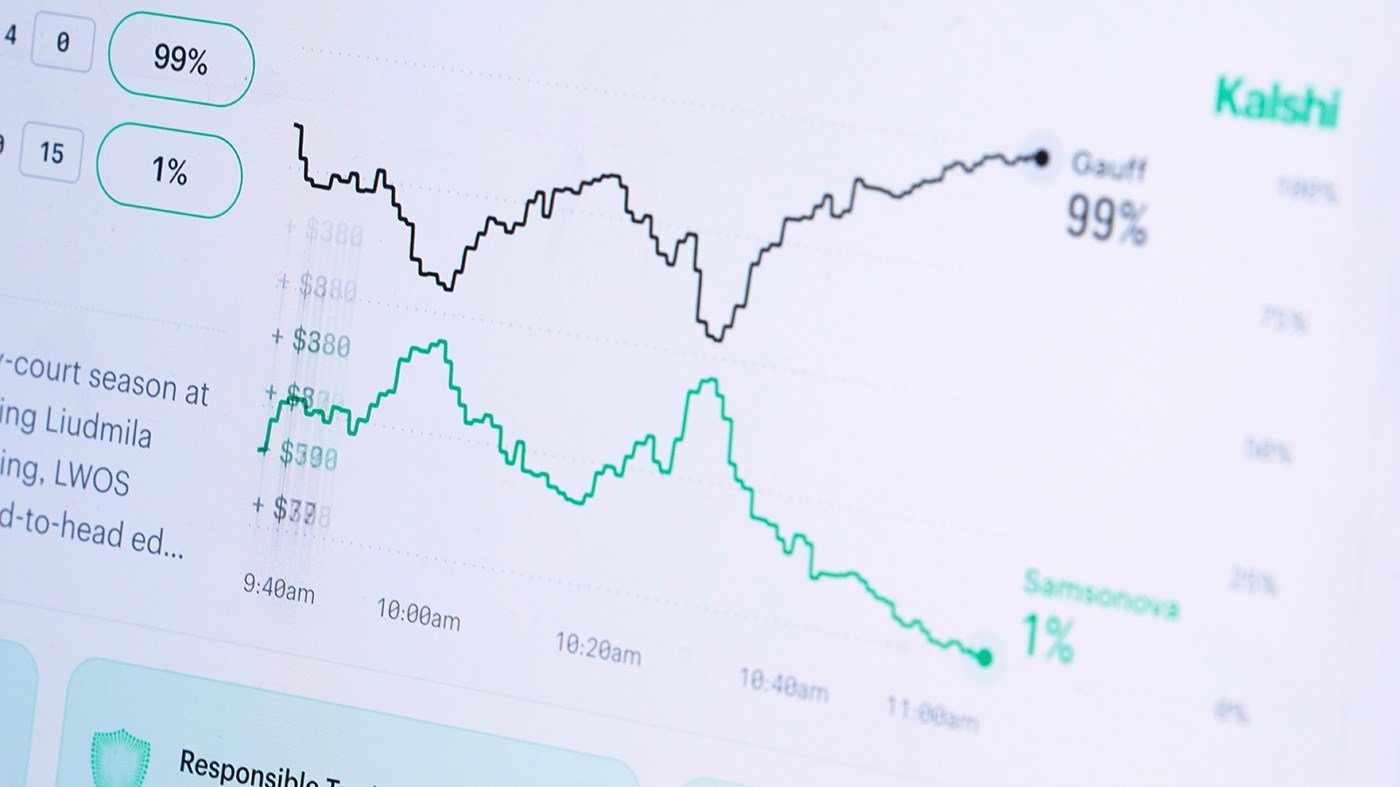
The case stems from a dispute between Kalshi, a leading prediction market operator, and New Jersey. The state has asked the justices to review conflicting appellate decisions on whether such wagers are federally regulated financial instruments or state-controlled gambling. The NFL's filing aligns with New Jersey's position, urging the high court to settle the matter before the next football season begins.
The league pointed to a "split of authority" among federal appeals courts, which it says creates "significant challenges" for its efforts to protect game integrity and consumers. While Kalshi and other platforms argue their products are "swaps" overseen by the Commodity Futures Trading Commission (CFTC), states contend they are simply gambling and fall under their jurisdiction.
Under the Trump administration, the CFTC has sided with prediction markets, even suing states that tried to enforce their gambling laws against these platforms. The NFL acknowledged that its concerns would be reduced if the CFTC and prediction markets adopted the same rigorous safeguards and oversight that state and tribal regulators apply to traditional sports betting. But, the brief states, "that is not what is happening today."
The league criticized the CFTC and prediction markets for taking a "laissez-faire approach," noting they have not implemented the same prohibited-wager lists that NFL sportsbooks must follow, and they allow bettors as young as 18, whereas state-regulated sports betting requires bettors to be at least 21.
"Billions of dollars will be bet on NFL games through prediction markets each season, and any delay from the Court will result in increasing consumer harm and risk to game integrity," the NFL wrote in its filing.
The NFL also expressed support for the rulings from the 6th and 9th Circuit Courts of Appeals, which sided with the states in concluding that prediction market wagers are not "swaps" under federal law. The league's position was echoed by a bipartisan coalition of 39 states, which filed their own amicus brief Thursday backing New Jersey's argument that states should retain the power to regulate these markets. That brief was covered in a separate report on the state coalition.
The Supreme Court has not yet decided whether to hear the case. If it does, the ruling could have major implications not only for sports betting but for the broader regulatory landscape of emerging financial and gambling technologies. Legal experts say the outcome could also affect how federal agencies like the CFTC assert authority over novel trading platforms.
For now, the NFL is pressing for a swift resolution. "Any delay from the Court will result in increasing consumer harm and risk to game integrity," the league reiterated, urging the justices to take up the case before another season passes.