Crude prices jumped sharply on Thursday after reports emerged that the White House is weighing fresh military options against Iran, just weeks before the November midterm elections. The move has injected new volatility into global energy markets and reignited debate over the administration's strategy in the Strait of Hormuz.
Brent crude, the international benchmark, climbed 4.4% to $104.60 per barrel in morning trading, while the U.S. benchmark West Texas Intermediate rose 3.91% to settle at $92.19. The spike comes despite a slight dip in the national average gasoline price, which AAA put at $4.36 per gallon, down from $4.41 last week. Still, pump prices remain near historic highs, and the political stakes are rising.

According to Axios, U.S. officials said the Pentagon has directed U.S. Central Command to finalize preparations for a possible resumption of combat operations against Iran. No final decision has been made, but any strikes would likely target Iranian energy infrastructure, nuclear facilities, and other strategic assets. The Atlantic first reported that the administration could act before the midterms, a timeline that some Republicans see as a potential political boost.
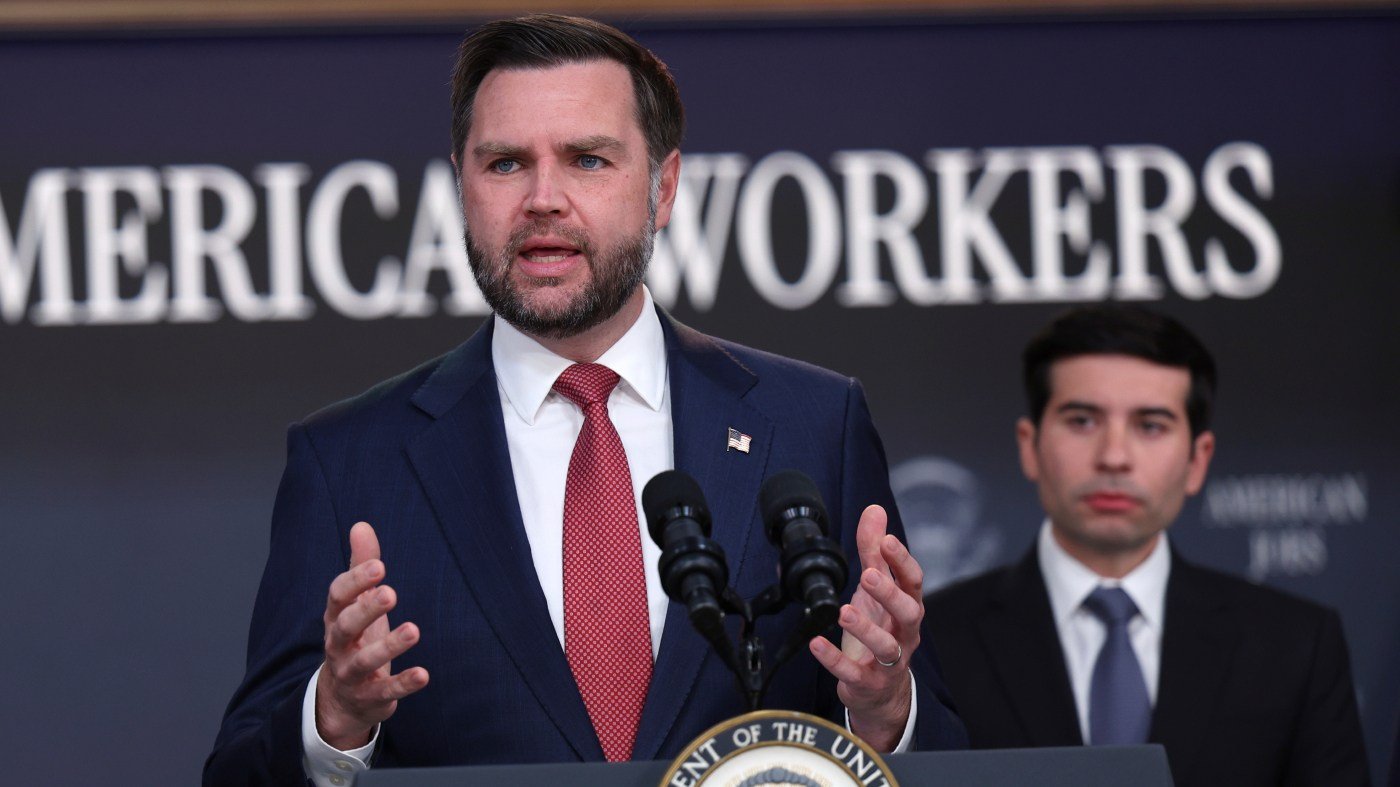
“It would make the president look like he got a win and that gas prices would start going down,” a Republican familiar with internal deliberations told The Atlantic. The White House, in a statement to The Hill, said “all options” remain on the table, emphasizing that the U.S. holds a strong position with control of the Strait of Hormuz and that Iran's economy is collapsing.
An Israeli official told Axios that while discussions about U.S. strikes have intensified, an attack before the midterms has not been ruled out. “After the midterms the chances of it happening increase significantly,” the official said. Israeli sources also noted that strikes could occur ahead of Israel's own elections later this month, where Prime Minister Benjamin Netanyahu faces mounting criticism over the Oct. 7, 2023, Hamas attack that killed over 1,000 Israelis. Opponents have labeled his coalition the “massacre government,” according to the Associated Press.
The U.S. military has maintained a naval blockade at Iranian ports in the strait, which Iran effectively closed after the conflict began on Feb. 28. The closure and tit-for-tat attacks have disrupted shipping lanes that carry roughly 20% of the world's oil and gas, contributing to sustained price pressure. Trump has blamed refinery issues for high pump prices, though analysts point to the Hormuz closure as a key factor.
President Trump has repeatedly threatened Iran with annihilation, most recently in his address to the United Nations General Assembly last month, and has hinted that action could come before Election Day. He has also acknowledged that while the conflict “should help” Republican chances of retaining Congress, “it's possible” it could backfire. The administration's signals on Iran strikes have drawn both support and caution from allies.
Energy analysts note that any military escalation could send prices even higher, potentially eroding consumer confidence. OPEC+ has kept output steady for November, doing little to cool the market. Meanwhile, Trump has repeated strike warnings for California cities, a move that has sparked backlash.
The situation remains fluid, with the White House weighing military action against the risk of further economic disruption and political fallout. As the midterms approach, the intersection of foreign policy and domestic gas prices is likely to dominate the campaign trail.