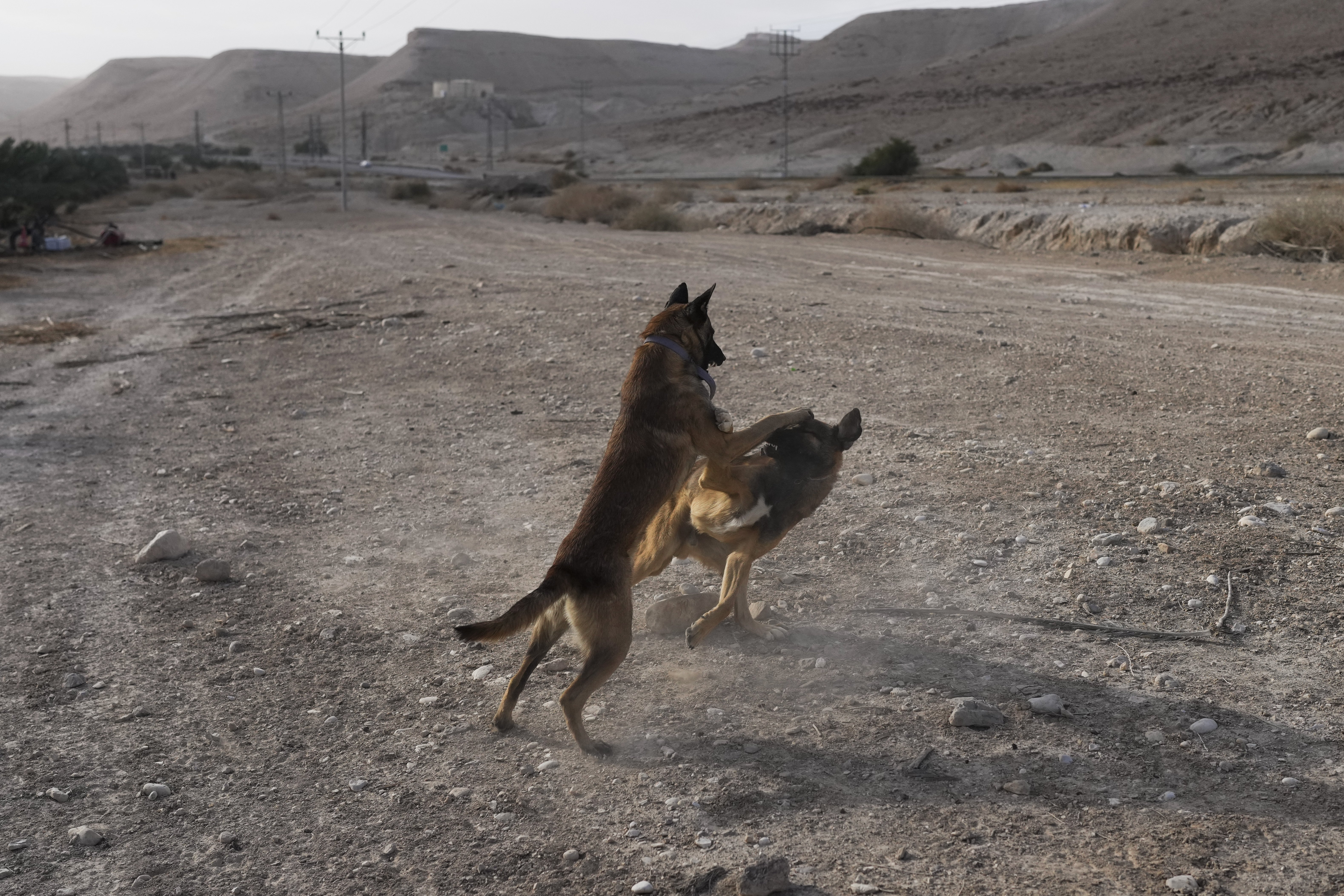
In the three years since the October 7 massacre of Israelis, Western media has repeatedly published and amplified outlandish allegations against Israel without sufficient verification. The latest example comes from New York Times columnist Nicholas Kristof, who claimed that Israeli officials have trained dogs to rape Palestinian prisoners.
Kristof, known for his sentimental first-person narratives, offered no concrete evidence for the shocking accusation. He relied solely on the word of Palestinian activists and wartime propagandists. Notably, the Times newsroom has not independently confirmed or covered the story, suggesting that even the paper's own standards for reporting have not been met.
A Pattern of Dubious Reporting
This is not an isolated incident. Since October 7, Western outlets have rushed to publish unsubstantiated claims about Israeli actions. For instance, many media organizations initially blamed Israel for the Al-Ahli Hospital explosion, which later turned out to be a misfired rocket from Palestinian Islamic Jihad that landed in an empty parking lot.
The Washington Post similarly ran a headline claiming Israeli troops killed over 30 people near a U.S. aid site in Gaza, only to later amend it and issue an editor's note admitting the early version fell short of fairness standards. The New York Times itself published a front-page story on Gaza starvation featuring a photo of an emaciated child, Mohammed Zakaria al-Mutawaq, implying he was a victim of wartime famine. In reality, the child suffered from severe cerebral palsy and other conditions predating the conflict. The Times later added an editor's note acknowledging it had not verified the child's medical history before publication.
Peacetime Precedents
This credulity extends beyond wartime. In 2015, the BBC reported that Hamas had captured an Israeli spy dolphin off the Gaza coast. CNN publicized Sudanese claims of an Israeli spy vulture. The BBC also ran headlines linking shark attacks in Egypt to the Mossad. The Guardian published a headline stating Israel admitted harvesting Palestinian organs, later correcting it to clarify the practice involved Israeli pathologists harvesting organs without consent from Israeli soldiers, citizens, Palestinians, and foreign workers alike.
These stories often rely on dubious sources and lack corroboration, yet they are published with little skepticism. The pattern raises questions about editorial judgment and the willingness to air allegations that fuel ethnic and religious tensions.
While it is possible that Israel, as the militarily dominant power, has committed abuses, journalists should apply critical thinking before amplifying unverified claims. As Becket Adams, a media critic, notes, unless reporters enjoy being manipulated by Iranian intelligence or Hamas, they should exercise more caution.
For more on related geopolitical dynamics, see our analysis of three moves to reverse U.S. losses in the Iran conflict and coverage of Israel killing a Hamas commander who helped plan the Oct. 7 attack.