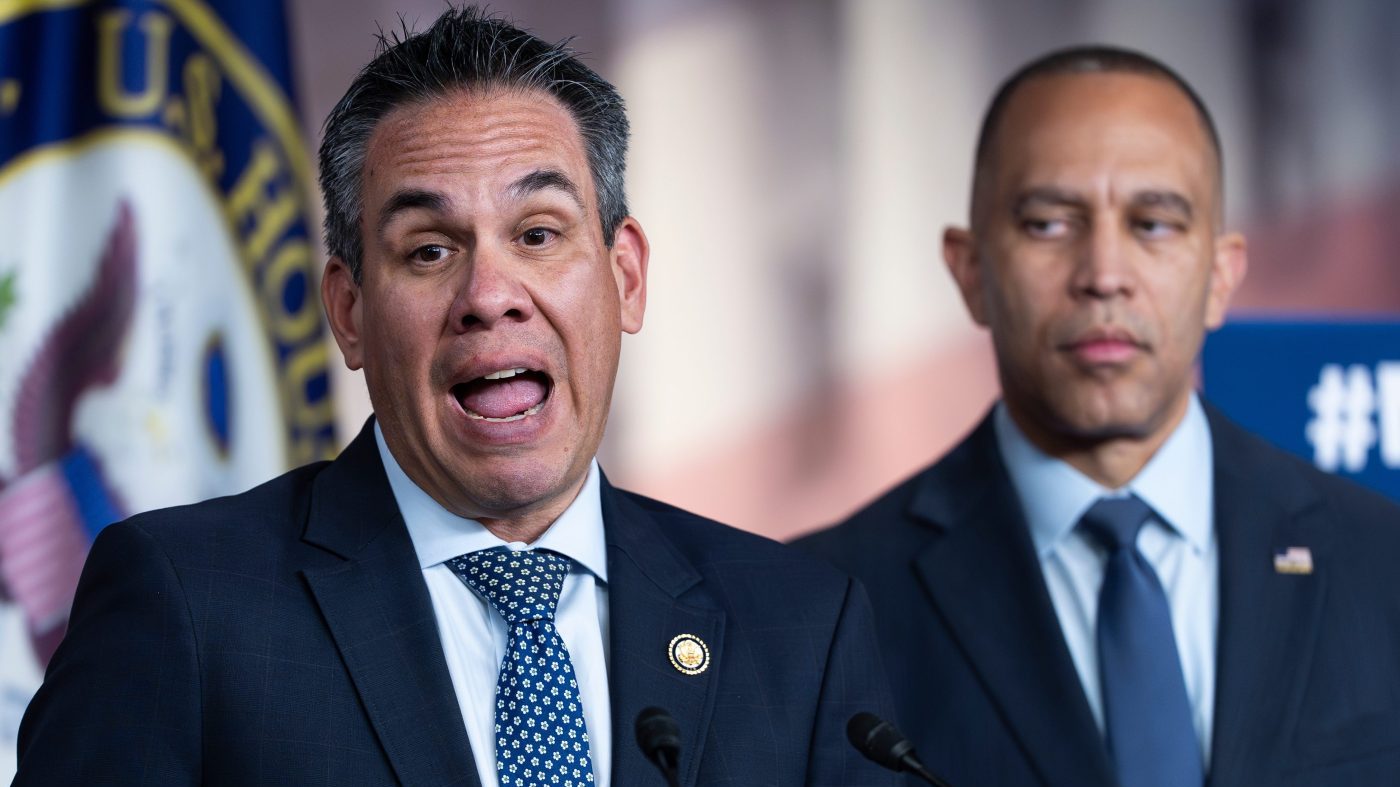
House Democratic leaders are set to address the media Wednesday morning, a day after New York's primary elections delivered a sharp rebuke to Minority Leader Hakeem Jeffries (D-N.Y.). Two candidates supported by Jeffries lost their races to more progressive challengers backed by New York City Mayor Zohran Mamdani, a democratic socialist. The results underscore a deepening ideological battle within the party, as the left flank gains momentum ahead of the general election.
Left-Wing Victories Signal Shift
The defeated incumbents, both allies of Jeffries, were ousted by candidates aligned with Mamdani's coalition. This outcome, detailed in our analysis of the primaries, reflects growing discontent with centrist leadership among the party's progressive base. Mamdani, who heads the city's Democratic Socialists of America chapter, has been a vocal critic of establishment figures, and his endorsements proved decisive in these races.
The press conference, scheduled for 11 a.m. EDT, comes as Democratic leaders scramble to address the fissures exposed by Tuesday's vote. Jeffries, who has sought to balance the party's moderate and progressive wings, now faces renewed pressure from the left. As Representative James criticized Mamdani for what he called 'blowing up' the party, the internal strife is likely to complicate efforts to present a united front against Republican policies.
Iran War Powers Vote Adds to Tensions
The leadership's remarks also follow the Senate's passage of a war powers resolution aimed at curbing President Trump's military operations in Iran. The measure, which advanced more than two weeks after the House approved its own version, reflects bipartisan concern over executive overreach in foreign policy. The resolution, if signed into law, would require congressional approval for any sustained military action against Iran. President Trump, who has threatened to veto the bill, reportedly erupted in a closed-door meeting with Senator Cassidy over the vote, signaling a potential showdown with Congress.
The timing of the press conference, linking domestic electoral upheaval to a major foreign policy debate, highlights the multifaceted challenges facing Democratic leadership. As the party navigates its internal divisions, the Iran vote offers a rare area of cross-party agreement, though the White House's opposition may derail final passage.
Broader Implications for the Party
The New York primary results are the latest sign of the left's growing influence within the Democratic Party. With figures like Mamdani and Senator Bernie Sanders pushing a socialist agenda, traditional centrists are losing ground. This trend, explored in our report on Sanders' blueprint, suggests that the party's future may be increasingly defined by its progressive wing. The upsets in New York could embolden left-wing candidates in other states, potentially reshaping the congressional map.
As House Democrats gather to address these developments, the focus will be on how leaders plan to reconcile the party's competing factions. With the general election looming, the outcome of this internal struggle could determine the party's ability to retain control of the House and challenge President Trump's agenda. The press conference is expected to touch on both the primary results and the Iran resolution, offering a glimpse into the party's strategy moving forward.