National Public Radio has secured a major infusion of private capital, announcing Thursday more than $113 million in philanthropic investments to fund its digital expansion and ensure network stability. This financial boost comes months after the organization lost substantial federal funding following direct intervention from the Trump administration.
Strategic Investment for Digital Future
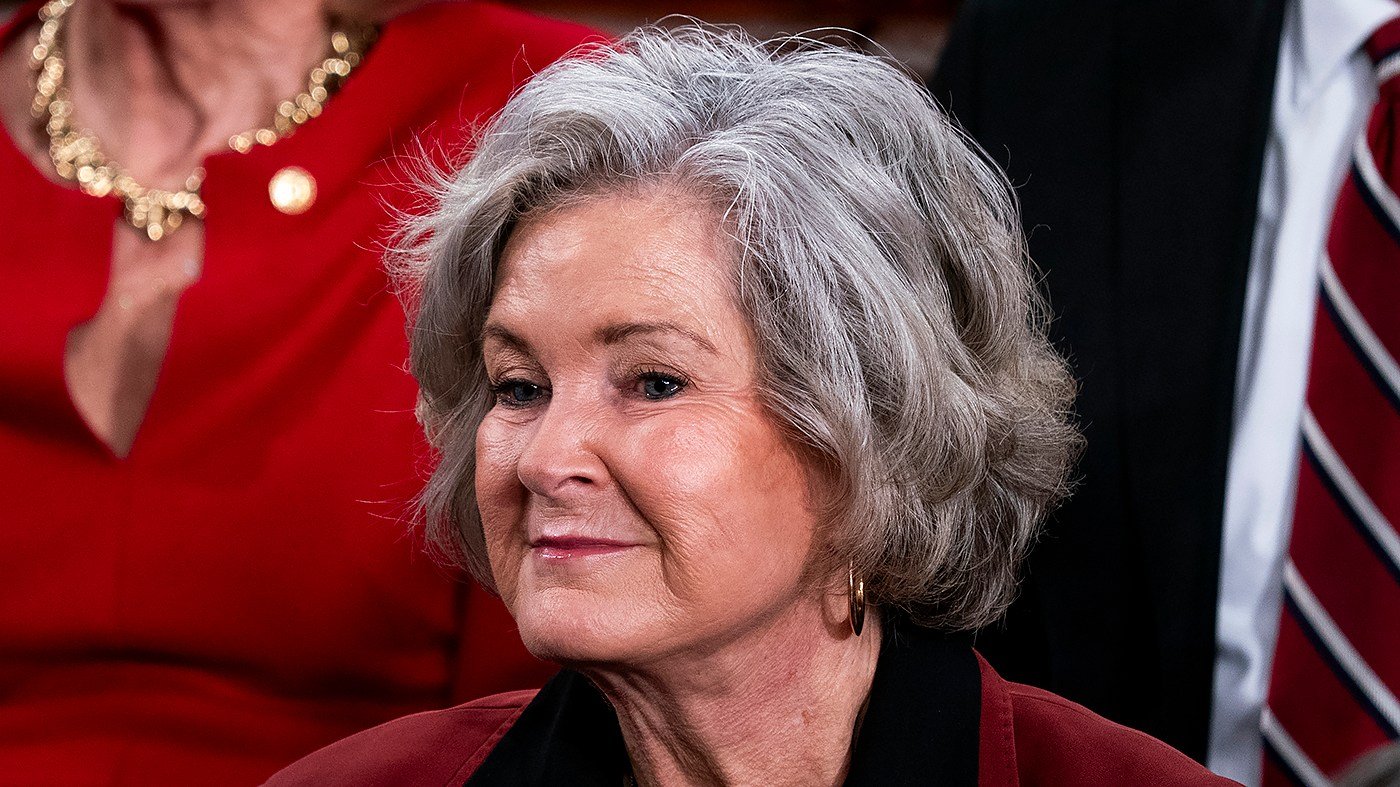
The funding package represents a strategic pivot for the public broadcaster, which has labeled it a "new strategic push for digital growth and network sustainability." The largest portion, exceeding $80 million, comes from philanthropist Connie Ballmer. An additional $33 million was contributed by an anonymous donor, marking the largest single gift from a living donor in NPR's history.
According to the network, these funds are earmarked to "help expand audience connection, accelerate digital transformation, and increase the sustainability of the national NPR Network." This move signals a deliberate shift toward securing a financial base less dependent on congressional appropriations.
Donor Rationale and Political Context
In a statement, Connie Ballmer framed her support as essential for democracy. "I support NPR because an informed public is the bedrock of our society, and democracy requires strong, independent journalism," she said. "My hope is that this commitment provides the stability and the spark NPR needs to innovate boldly and strengthen its national network."
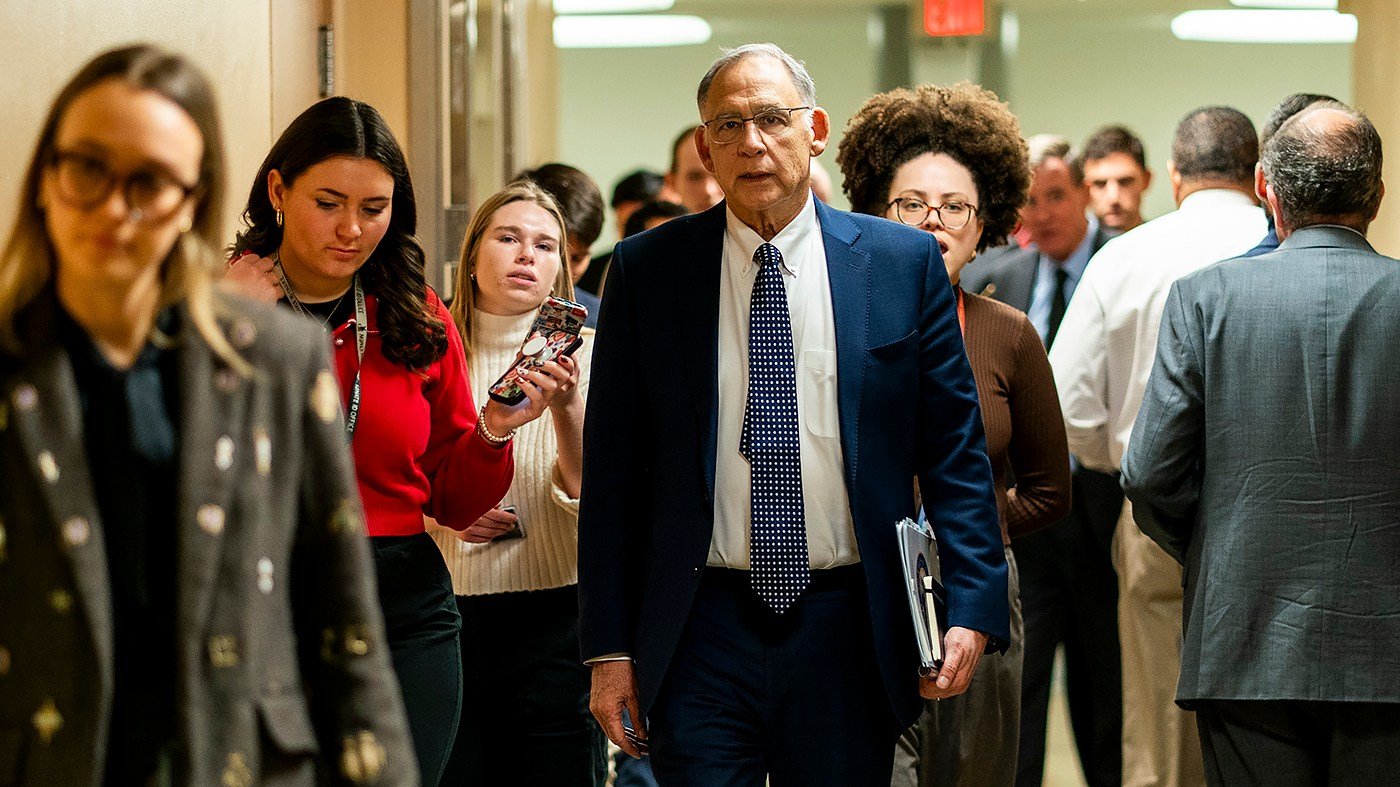
The private fundraising drive follows a consequential political battle last summer. At President Trump's urging, Congress stripped more than $1 billion in federal funds from NPR and PBS. Network leaders warned at the time that the cuts could devastate its newsgathering capabilities and cripple local public broadcasting affiliates nationwide. This action was part of a broader pattern of domestic spending reductions advocated by the Trump administration, which often targeted cultural and public institutions.
Longstanding Political Tensions
The funding conflict is rooted in longstanding accusations from conservative lawmakers and activists, who have consistently alleged that NPR exhibits a systemic bias against Republican figures and policies, particularly those of former President Trump. These criticisms have fueled legislative efforts to defund the organization, arguing that taxpayer money should not support perceived partisan journalism.
The successful mobilization of private donors highlights how institutions are adapting to a polarized funding landscape. As congressional dynamics continue to enable executive-driven policy shifts, non-profit and public entities are increasingly seeking alternative revenue streams to insulate themselves from political volatility.
This substantial philanthropic investment may also reflect a growing counter-movement among private donors who view supporting independent journalism as a civic imperative, especially following cuts to other public information and arts programs, such as the controversial proposal for a 250-foot triumphal arch that redirected federal arts priorities.
The $113 million package provides NPR with crucial runway to modernize its operations and audience engagement strategies without immediate reliance on federal budgets. However, it also raises questions about the long-term funding model for public media and the role of philanthropy in shaping journalistic priorities, setting a precedent other affected organizations may follow.