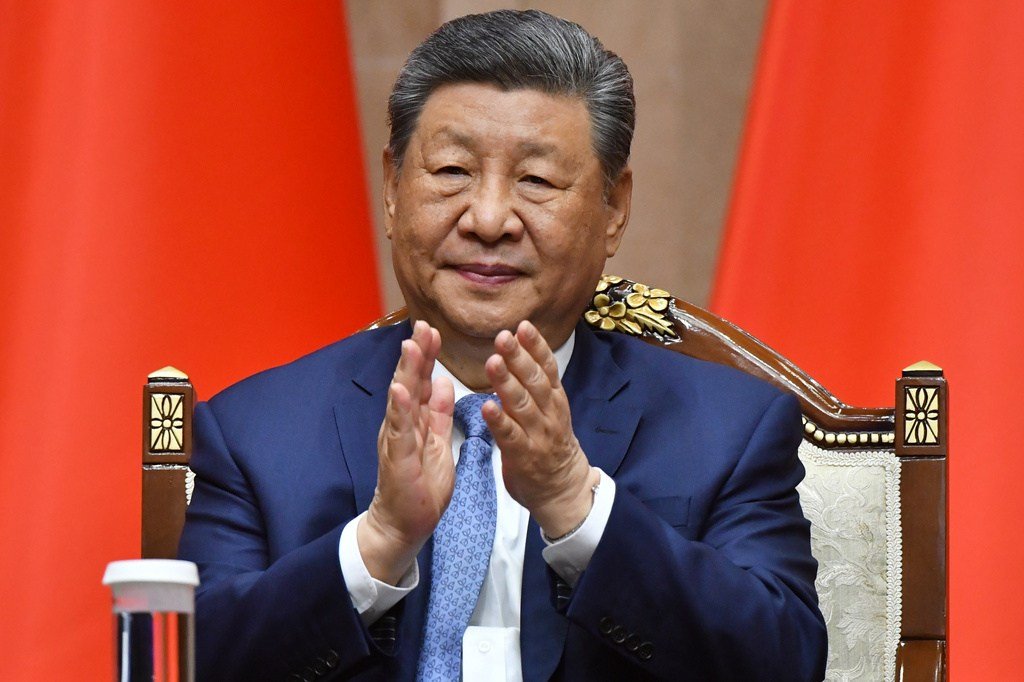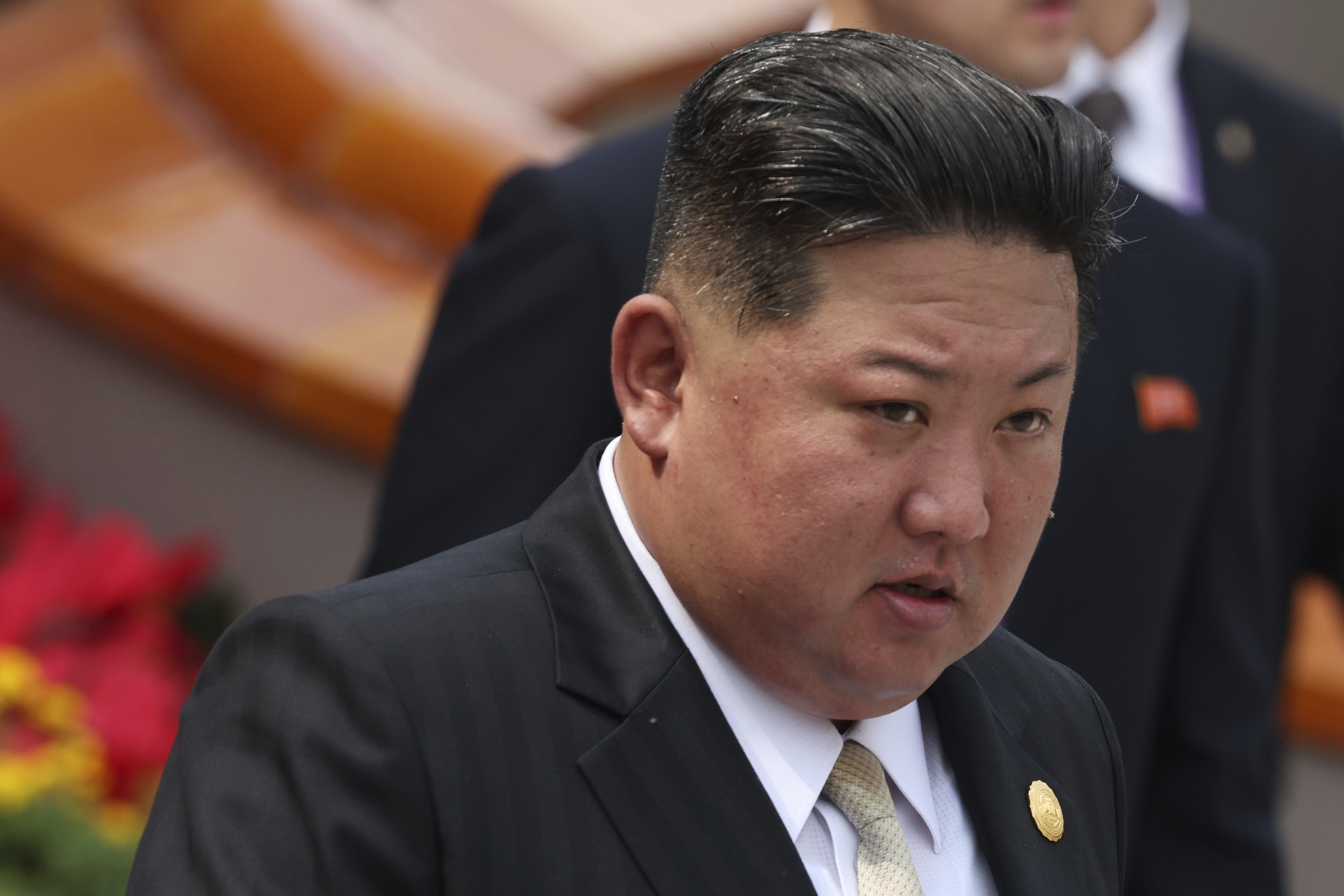
North Korea's latest constitutional overhaul, adopted by the Supreme People's Assembly in March, has triggered alarm in Seoul and beyond. The revisions delete four articles and amend 64 others, but three specific changes stand out for their geopolitical and strategic implications.
First, the new constitution removes all mentions of reunification efforts by Kim Il Sung and Kim Jong Il—Kim Jong Un's grandfather and father—and replaces them with a principle of “national interest protection” alongside the existing pillars of “independence, peace and friendship.” This shift reflects Kim's foreign policy pivot that balances long-standing reliance on China with deepening ties to Russia.

Second, the document drops the concept of “wartime pacification,” a staple in previous constitutions that envisioned reunification based on common ethnicity. Instead, the 2024 amendment already labeled South Korea a “hostile state,” and the 2026 version solidifies that view. It defines the Republic of Korea as a separate state on its southern border and declares that North Korea “absolutely does not permit any encroachment upon its territory.”
Third, the amendments redefine Kim's role from “Supreme Leader” to “Head of State,” placing him formally before the Supreme People's Assembly in the order of state institutions. He now personally receives credentials from foreign ambassadors—a power previously held by the assembly's Standing Committee. The changes also grant Kim sole authority to appoint or dismiss key officials, including the premier and assembly deputies, and remove any provision making him answerable to the assembly. Most critically, for the first time, the constitution explicitly gives Kim exclusive command over the armed forces and sole authority to use nuclear weapons, without reference to any other body.
Constitutional language can be deceptive, as history shows. The 1936 Soviet constitution, drafted under Stalin, promised extensive civil rights that were brutally ignored during the Great Terror. But experts warn that codifying Kim's unchecked nuclear control is far from meaningless. A senior South Korean analyst noted that “nuclear weapons are no longer simply a deterrent against the United States or a bargaining chip in diplomatic negotiations. They are now an offensive instrument … with a lowered threshold for use.”
Beyond the peninsula, Pyongyang is sharing its negotiation tactics with Tehran. A South Korean official revealed that North Korea advises Iran to “tell the USA that you will not give up nuclear weapons … the U.S. [negotiators] underestimate how much you can sacrifice the people's life by having nuclear weapons. … Cheating the USA will be the first priority, easy to cheat.” This echoes the North's own experience in talks with Washington.
Seoul is weighing the implications. Sung-lac Wi, South Korea's national security advisor, stated that “we do take into account North Korea's Constitution with notable revisions. It is my government's position that we will continue to consistently pursue policies for peaceful co-existence on the Korean Peninsula.” Whether the North shares that intent, given its hostile designation of the South and its advice to Iran, remains uncertain. To deter any preemptive nuclear move, the U.S. commitment to South Korea's security must remain ironclad.
Dov S. Zakheim is a senior adviser at the Center for Strategic and International Studies and vice chairman of the board for the Foreign Policy Research Institute. He served as undersecretary of Defense (comptroller) from 2001 to 2004.