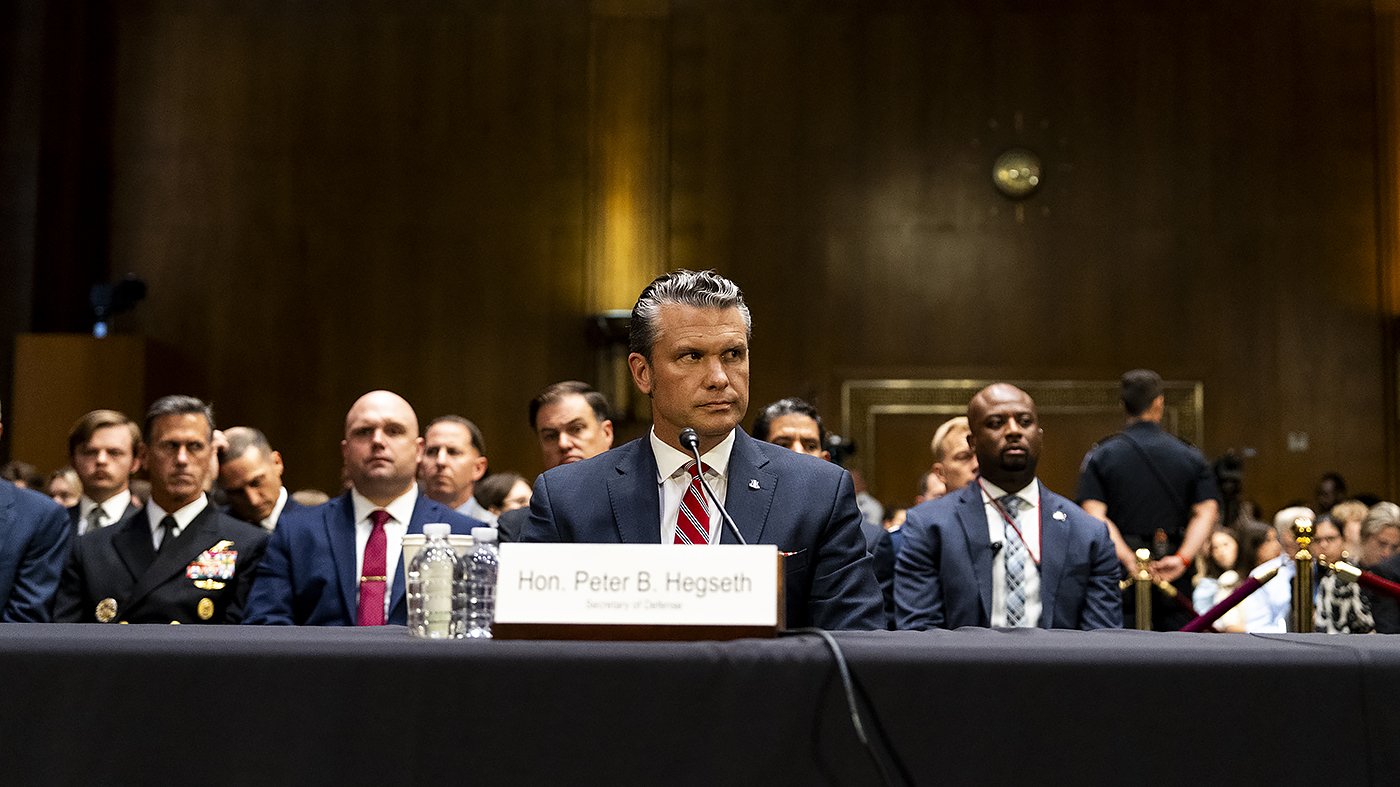
Republican senators are increasingly voicing doubts about Defense Secretary Pete Hegseth’s ability to lead the U.S. military as the conflict with Iran stretches on with no resolution in sight. Lawmakers warn that the success of a potential large-scale offensive against Tehran could be crucial to reviving support for the unpopular war.
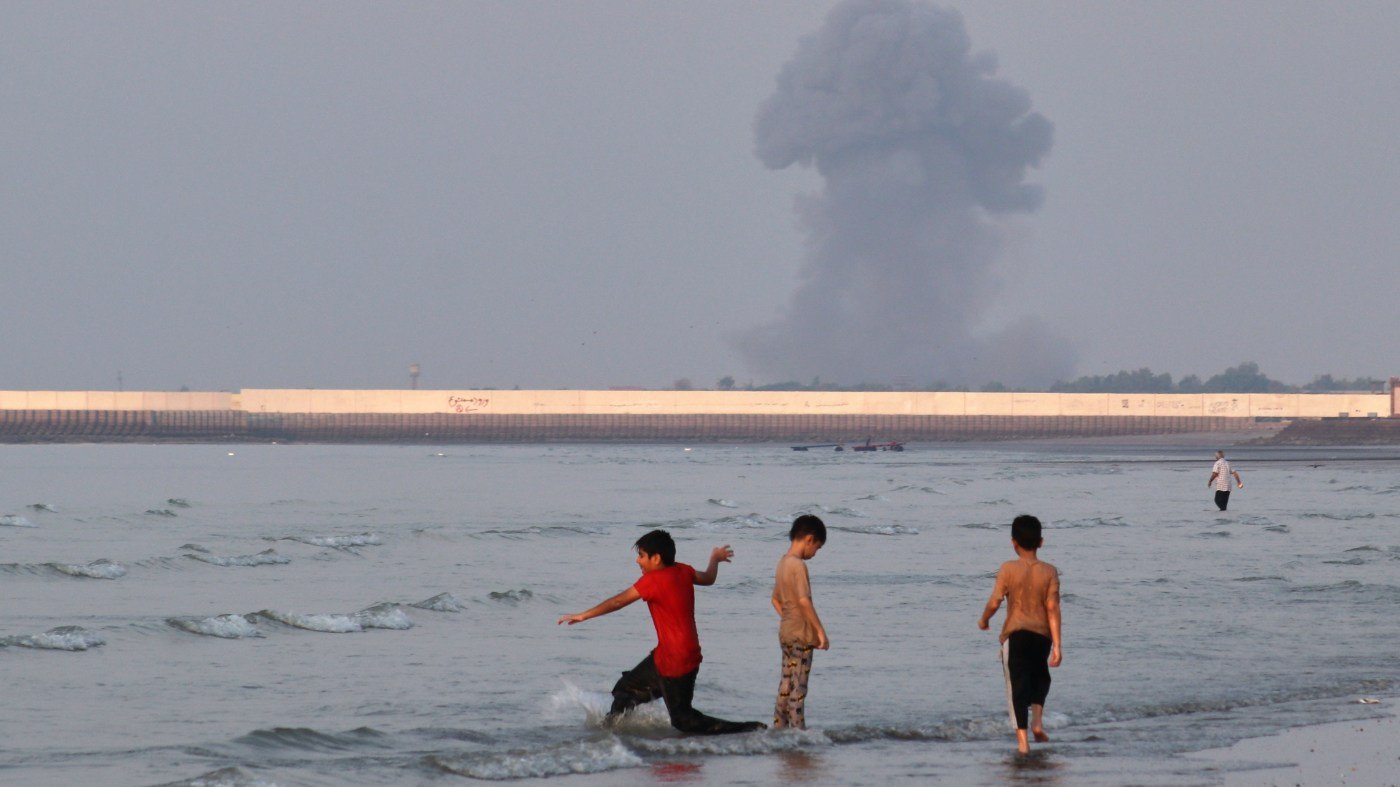
Several GOP members are questioning why the administration failed to foresee the extended closure of the Strait of Hormuz, which has driven up oil and gas prices since February, and why it underestimated Iran’s willingness to strike neighboring allies like Jordan, Kuwait, and Saudi Arabia. The recent expansion of hostilities into the Red Sea, where Iranian-backed Houthi militants targeted Saudi oil shipments, has further fueled concerns that the Pentagon was caught off guard.

Senator Thom Tillis of North Carolina, who is not seeking reelection, told The Hill he has lost confidence in Hegseth. “I think he’s all over the place — he’s accelerating the retirement or forcing out some of the most distinguished leaders in the DOD that we have,” Tillis said. “I think he’s got a massive insecurity complex, he has a lack of experience in large organizations, he micromanages too much. He’s lost my confidence.” Tillis’s vote is critical for advancing a budget resolution and a $95 billion reconciliation package that includes $73 billion for the Pentagon and intelligence agencies.
Another Republican senator, speaking anonymously, said Hegseth is losing support within senior military ranks, which is amplifying concerns on Capitol Hill. “I have heard out of the Pentagon that there’s a loss of confidence — within the Pentagon. And of course then everyone here on the Hill hears those same concerns,” the lawmaker said.
The forced retirement of General Chris Donahue, the top U.S. Army commander in Europe, has drawn particular criticism. Senate Appropriations Committee Chair Susan Collins of Maine called the departure “deeply troubling” during a hearing on emergency defense funding. “These are men and women who volunteered to serve our country and swore an oath to support and defend our Constitution,” Collins said. She later added that she wants “more information” from the administration on “the strategy and endgame for the war.”
A second anonymous Republican senator noted “rumblings” about the administration’s failure to anticipate the prolonged Strait of Hormuz closure and Iran’s ability to threaten regional allies. “I think there’s a sense it’s taken longer than what we thought and that maybe our strategy didn’t factor in the Strait of Hormuz or [Iran’s] ability to be willing to hit their neighbors. I think there was some miscalculations maybe,” the senator said.
Despite the growing unease, some defense hawks believe a decisive victory is still possible. Senate Armed Services Committee Chair Roger Wicker of Mississippi is urging President Trump to “finish the job” by intensifying strikes. Senator John Cornyn of Texas argued the U.S. has enough military strength to force Iran to reopen the strait without major concessions. “I think we just need to demonstrate our decisive military edge and reopen the Strait of Hormuz because we can’t depend on the Iranian regime,” Cornyn said. “The problem of endless wars, in my view, is gradual escalation. Until then, you are stuck and there is no way out other than just sort of capitulation.”
Public fatigue with the conflict is also mounting. Senator Shelley Moore Capito of West Virginia told NewsNation that the war has dragged on for nearly five months, far beyond Trump’s early March prediction of four to five weeks. “I do think that the American public’s growing weary,” Capito said. The administration faces mounting pressure to show a clear path forward, as GOP senators fret over the Iran war exit strategy and the rising costs of the conflict.
The Hill has reached out to the Department of Defense for comment on the criticisms. As the war continues, the rift between Hegseth and key Republican lawmakers appears to be widening, with potential implications for upcoming budget negotiations and the broader political landscape, especially amid growing economic fears that could threaten Republican midterm hopes.