Senate Republicans are voicing deepening unease about the administration's failure to outline a clear endgame for the military campaign against Iran, with rising American casualties and persistent high gas prices fueling concerns that the conflict could become a political liability in the upcoming midterm elections.
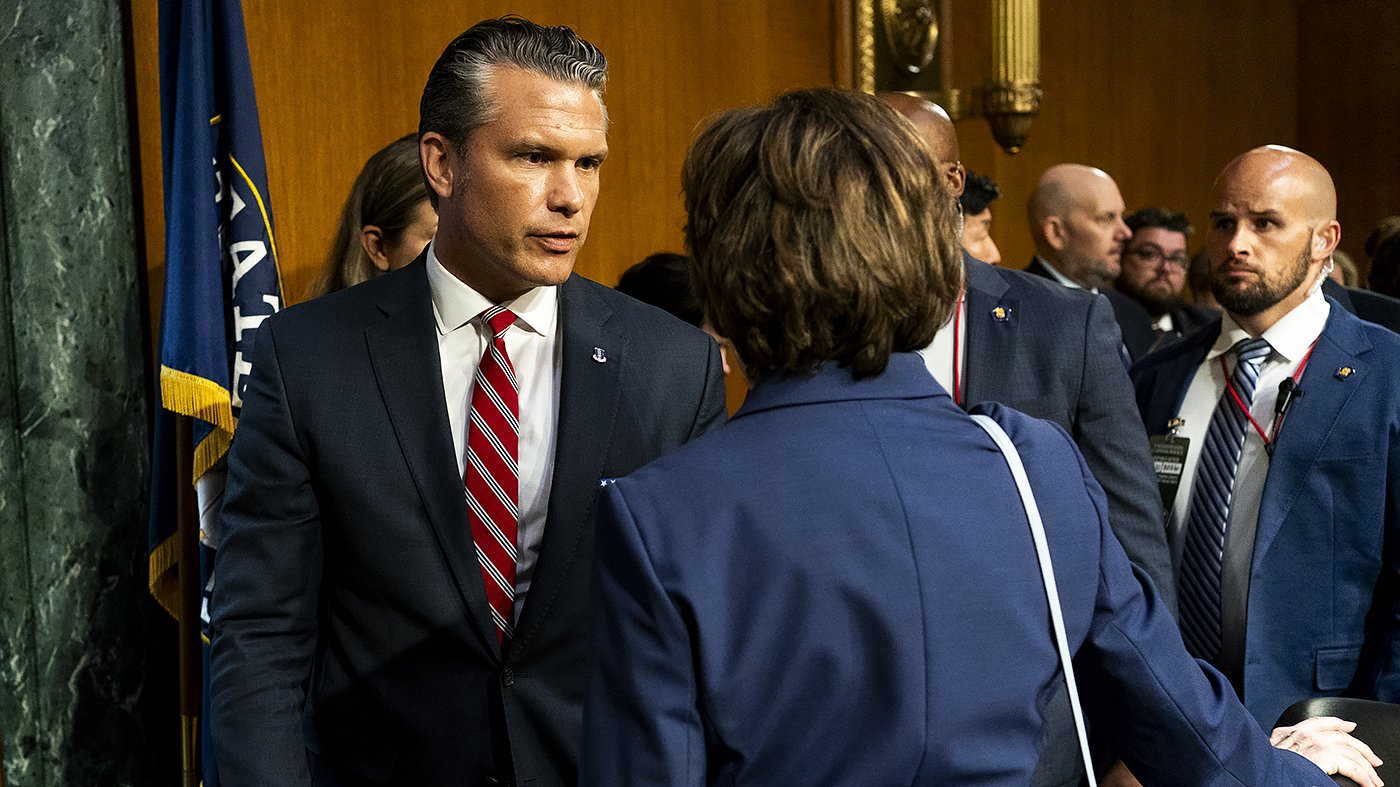
Lawmakers emerged from a Tuesday hearing with Defense Secretary Pete Hegseth feeling unsatisfied, even as they back his request for an additional $80 billion in emergency war funding. The disconnect centers on the absence of a coherent strategy to bring the hostilities—ongoing since late February—to a close.

“There’s got to be an off-ramp, that’s all there is to it,” said Sen. Jim Justice (R-W.Va.), who noted the recent deaths of three U.S. service members and the toll on Iranian civilians, estimated at 1,700 to over 3,000 killed. “Every last one of us is super concerned about civilian casualties because first and foremost it’s terrible. Secondarily, it’s generally not very popular in the world.”
Justice outlined two stark options: withdraw and accept the risks, or press for a decisive victory—defined solely as preventing Iran from acquiring a nuclear weapon. His comments came after President Trump threatened on Truth Social to strike Iranian civilian infrastructure, including bridges and power plants, if Tehran continues targeting ships in the Strait of Hormuz. Justice urged caution, saying targeting a hospital or similar site would be unacceptable.
Behind the scenes, a Republican senator who requested anonymity pointed to the conflict’s impact on fuel prices as a major electoral headache. “Gas prices are high. That’s a big worry,” the lawmaker said. “People are worried about it because otherwise they’d be cheerleading. Nobody wants to be critical.”
Speaker Mike Johnson (R-La.) echoed the restlessness, telling reporters Tuesday that the administration needs to find a quick resolution. “We got to wrap it up,” he said, while endorsing Trump’s goal of ending Iran’s weapons-grade uranium production as a “very important objective.”
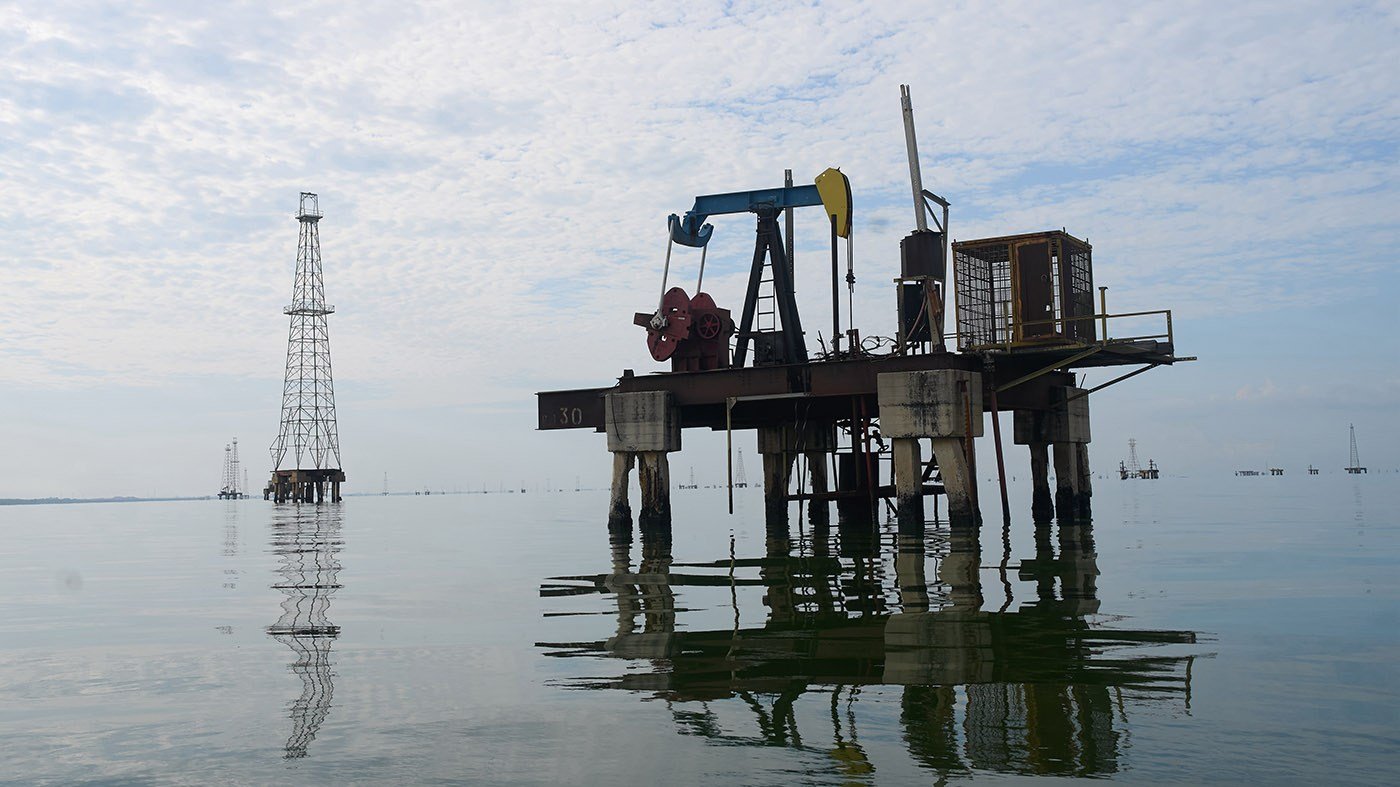
Democrats are hammering the GOP daily. Senate Minority Leader Chuck Schumer (D-N.Y.) accused Trump of botching the war from the start, noting that Americans are not “impressed” with his handling. Sen. Rand Paul (R-Ky.) went further, calling the conflict a failure. “By any objective measure we’re worse off than we were before the war,” Paul said, pointing to the unprecedented militarization of the Strait of Hormuz. “There’s not an easy way to un-militarize the strait.”
Other Republicans, like Sen. John Cornyn (R-Texas), argue for intensifying strikes to force a deal. “As long as it’s sort of tit-for-tat—the Iranians strike and then we strike back—I think that’s going to be inconclusive,” Cornyn said. “I think we need to demonstrate our decisive military edge and open up the Strait of Hormuz.”
Sen. Susan Collins (R-Maine) said she and colleagues still lack a classified briefing on the conflict’s scope and duration. “I thought the hearing yesterday was somewhat helpful, but questions remain,” she told reporters, adding that she wants more detail on the strategy and the consequences of not funding munitions and training for troops. Her concerns echo those raised in earlier grilling of Hegseth on war costs following the deaths of three U.S. personnel.
The tensions reflect a growing bipartisan unease with a war that shows no clear exit, even as the administration seeks another massive infusion of taxpayer dollars. For GOP senators, the political math is becoming as urgent as the military one.