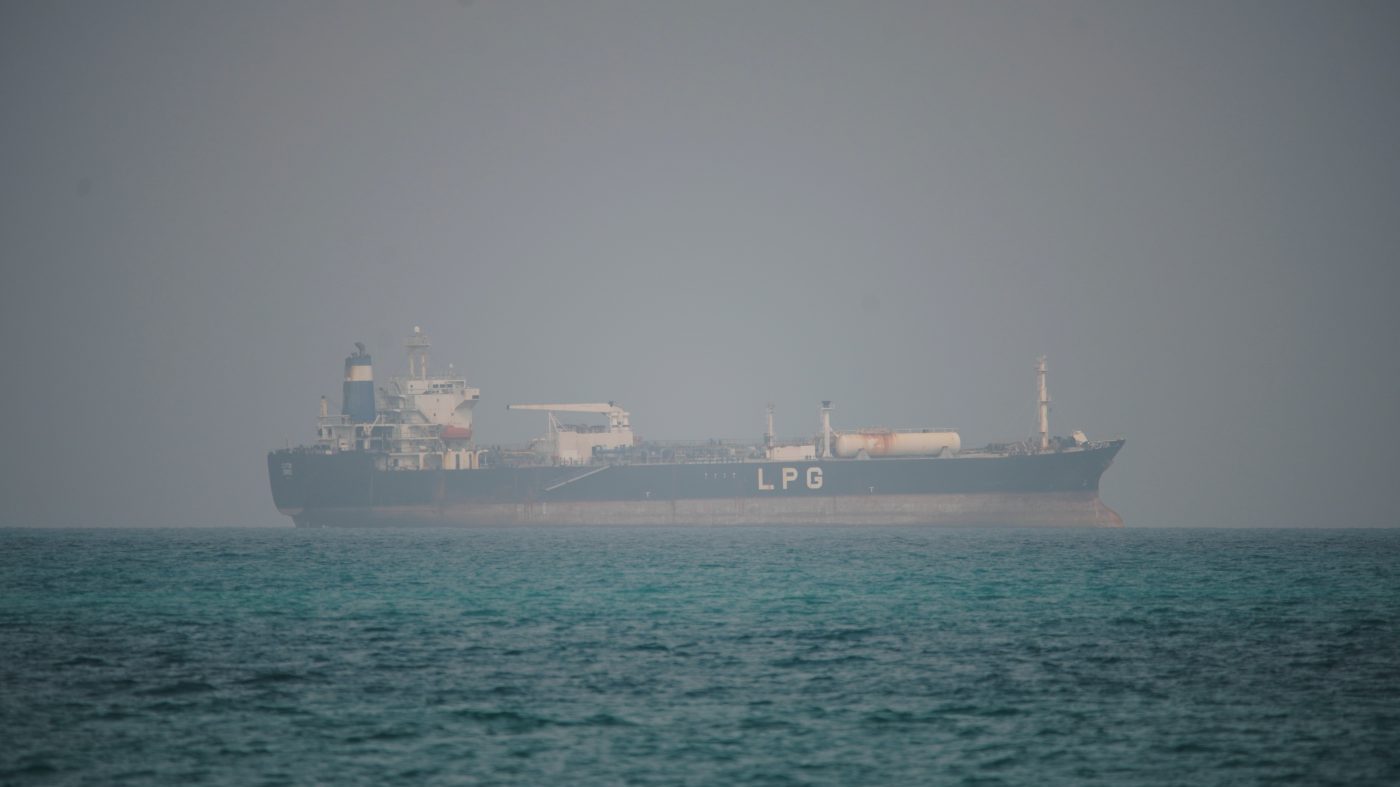
Iran declared on Monday that it holds sway over the strategic Strait of Hormuz, a vital chokepoint for global oil shipments, after a night of relative calm in the ongoing conflict with the United States. Multiple Iranian state media outlets, citing an unnamed source, reported that Tehran turned away six ships attempting to transit the waterway without prior approval from the Islamic Republic.
“As previously announced, the traffic route in the Strait of Hormuz is the route specified by Iran, and other routes are contaminated and have no way out,” the source told state-aligned media, according to Reuters. The move signals Tehran’s intent to assert dominance over the passage, through which roughly one-fifth of the world’s petroleum passes.
The assertion came after Saturday night marked the first time in 13 days that U.S. and Iranian forces did not exchange fire, following a series of escalating airstrikes triggered by alleged violations of a June ceasefire agreement. Hossein Kermanpour, a spokesperson for Iran’s health ministry, confirmed the lull in a social media post translated from Persian. “It seems our dear Iran had a peaceful night last night, and no part of its body was struck or hit. Iran’s body is intact. Iranian head is healthy,” he wrote.
The respite, however, does little to mask the broader toll of a war now approaching its fifth month. The conflict has rattled global markets, pushed oil prices above $100 a barrel, and strained Washington’s relationships with traditional allies. Recent polling shows the war is deeply unpopular among the American public, adding political pressure on the Trump administration.
U.S. military casualties have reached at least 18 service members killed in action, while Iran’s health ministry reports more than 3,400 deaths within the country. The human cost has fueled debates in Washington over the trajectory of the campaign, with some GOP hawks urging President Trump to escalate strikes further. Meanwhile, House Republicans have pushed Senate leadership to fast-track reconciliation efforts, even as the chamber pauses other business.
The Strait of Hormuz remains a flashpoint. Iran’s claim of control, coupled with its reported interdiction of six vessels, raises the specter of a broader maritime confrontation. Experts have warned that intensified strikes are unlikely to force a diplomatic shift from Tehran, and the region remains on edge. The Houthi movement in Yemen, an Iranian ally, has also escalated attacks, targeting Saudi Aramco sites and tankers, further disrupting Red Sea shipping and contributing to the oil price surge.
As the war grinds on, the administration faces mounting questions about its strategy. GOP hawks have called for even more aggressive action, including a blockade and bombing of Iranian mountain sites, while critics argue the campaign lacks a clear endgame. For now, the lull in airstrikes offers a fragile pause, but the underlying tensions show no sign of abating.