The Department of Health and Human Services (HHS) has stood up a new clinical research unit at the National Institutes of Health (NIH) campus in Bethesda, Maryland, dedicated to investigating patients who report persistent health issues following vaccination. The office opened this week, according to an HHS announcement on Thursday, and is part of the Trump administration's broader effort to take such reports seriously amid ongoing political battles over vaccine safety.
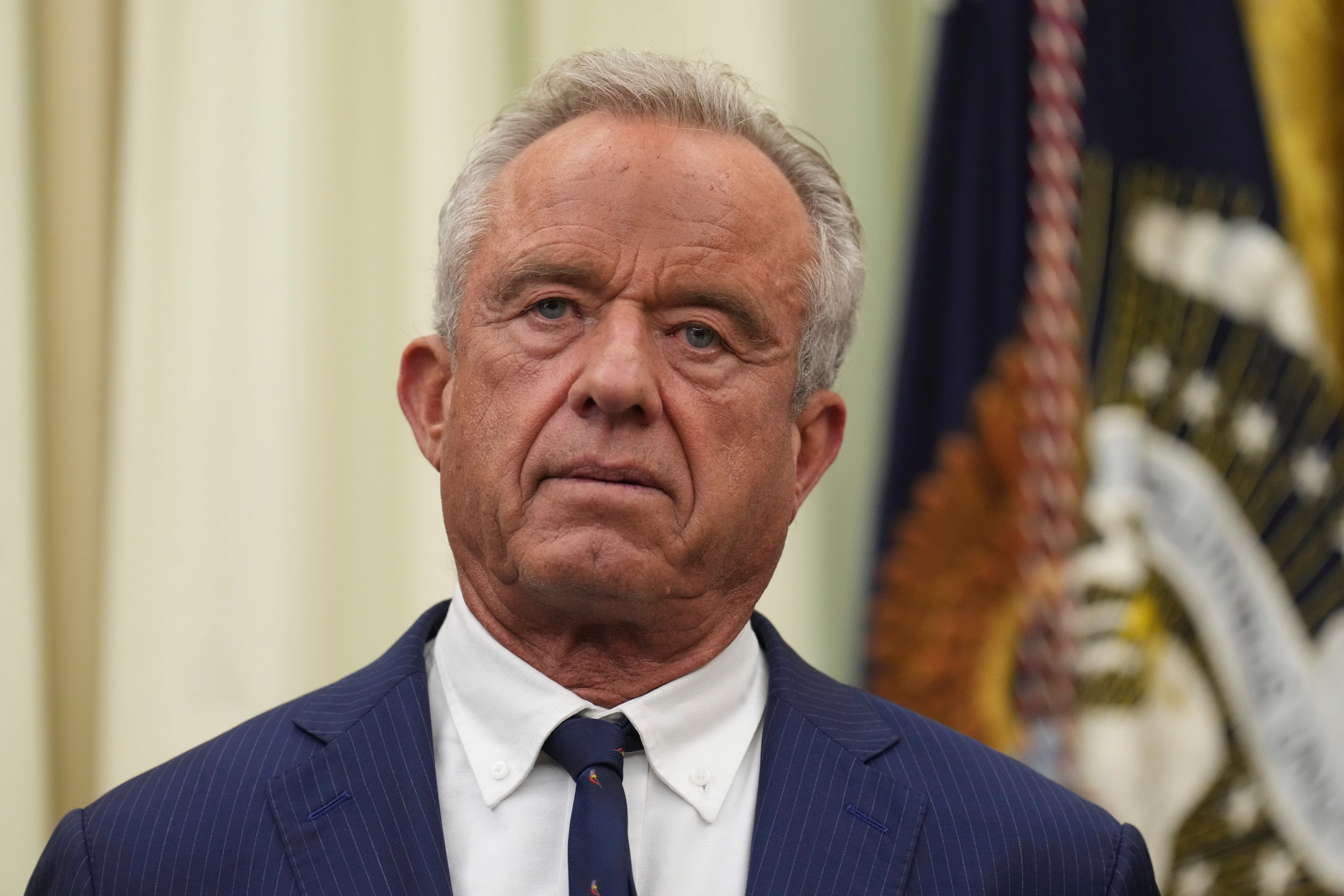
Health and Human Services Secretary Robert F. Kennedy Jr. framed the initiative as a direct response to what he calls a pattern of dismissal by public health agencies. “We must listen to patients and families who report vaccine injuries—not dismiss or gaslight them,” Kennedy said in a statement. “President Trump and I are building a health system that takes them seriously, follows the evidence, and uses what we learn to make vaccines safer. This is how we earn back trust in our public health institutions.”

Kennedy, a longtime vaccine critic who has repeatedly advanced the debunked claim that vaccines cause autism, has used his position at HHS to amplify concerns about vaccine safety. At a recent conference hosted by Children’s Health Defense—the anti-vaccine advocacy group he previously chaired—Kennedy linked vaccines to a broad array of conditions, including diabetes, sudden infant death syndrome, anorexia, allergic reactions, asthma, and autoimmune diseases. His remarks drew sharp criticism from public health experts who say such claims lack scientific support.
The new clinic is part of a two-pronged approach. On Wednesday, HHS also said it would propose a reimbursement program for physicians who report suspected vaccine-related injuries to the Vaccine Adverse Event Reporting System (VAERS). The agency will additionally require that patients’ electronic health records be included in any vaccine-related adverse event reports, a move aimed at bolstering the data available to researchers.
But VAERS is a voluntary, self-reporting system with significant limitations. The Centers for Disease Control and Prevention (CDC) explicitly warns that VAERS data “may contain information that is incomplete, inaccurate, coincidental, or unverifiable.” Experts caution that the system is not designed to establish causation, and that any reports must be carefully vetted before drawing conclusions.
The announcement comes as the administration faces ongoing scrutiny over its handling of health policy. Earlier this year, the Government Accountability Office found that the Trump administration illegally withheld $78 million in health research funds, a decision that affected NIH programs. The new clinic, however, is being positioned as a patient-centered initiative, with Kennedy arguing that it will restore faith in federal health institutions.
Critics, including leading Democratic lawmakers, have accused Kennedy of using his platform to undermine confidence in vaccines. House Democrats have already signaled they are ready to push back on healthcare cuts if they regain the majority, and the vaccine clinic is likely to become a flashpoint in the broader debate over public health policy.
The legal landscape is also unsettled. An appeals court recently questioned the legality of blocking Kennedy’s picks for a vaccine safety panel, a case that could affect how the administration implements its vaccine agenda. Meanwhile, the administration’s broader health initiatives, including the proposed Medicare checks, have drawn attention as the GOP seeks to manage its healthcare liability ahead of the 2028 election cycle.
For now, the NIH clinic will begin enrolling patients who report post-vaccination health problems, with researchers aiming to catalog symptoms and explore potential biological mechanisms. The reimbursement proposal for physicians is expected to be published in the Federal Register in the coming weeks, opening a public comment period.
Kennedy’s critics remain skeptical, arguing that the clinic may lend undue credibility to unproven theories. “We need rigorous science, not political theater,” said one public health official familiar with the matter, speaking on condition of anonymity. The administration, however, insists that the clinic is a necessary step toward transparency and accountability in vaccine safety monitoring.