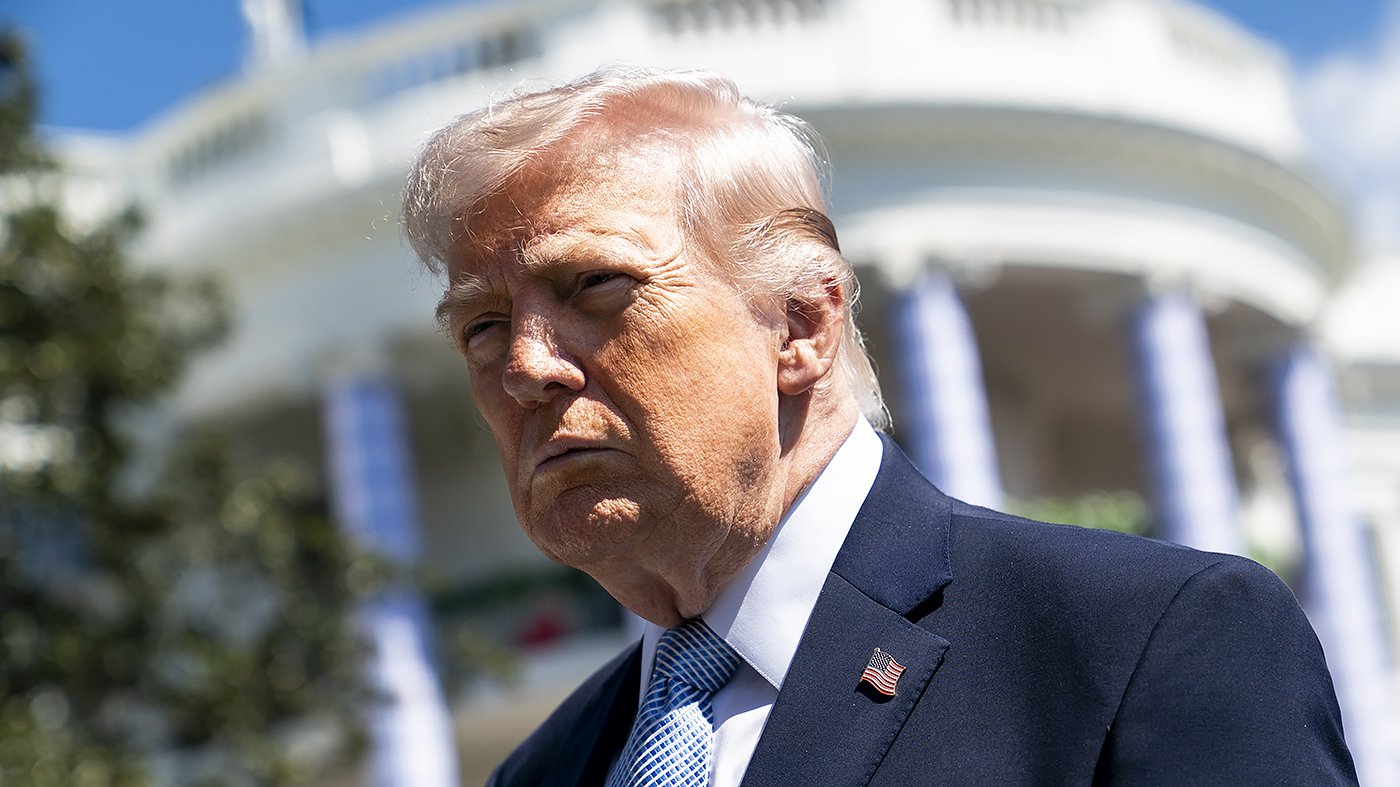
The New York Times has forcefully responded to President Trump's latest broadside against its journalism, condemning what it describes as a persistent tactic of deflecting substantive questions with personal and institutional attacks. The confrontation stems from a tense exchange during a White House briefing, where a Times reporter pressed the president on the legal implications of a recent social media threat directed at Iran.
President Trump had posted a graphic warning on social media, telling Iranian authorities to "open the Strait" of Hormuz or face severe consequences, using profane and religiously charged language. The post came as a U.S.-imposed deadline for a ceasefire deal with Iran approached, escalating already high tensions in the region. This threat followed recent U.S. military strikes on Iranian infrastructure and coincided with warnings from allies like Senator Lindsey Graham about an imminent potential military escalation.

During a subsequent press briefing, Times journalist Zolan Kanno-Youngs asked President Trump whether targeting Iranian civilian infrastructure, as implied in his post, would constitute a violation of the Geneva Conventions. Instead of addressing the legal question, Trump dismissed the reporter as "fake" and declared the newspaper was "failing."
In an official statement, the Times characterized the president's reaction as "the latest example in his pattern of answering fair questions with inaccurate attacks." The publication directly contested Trump's claims about its reporting, stating, "Contrary to the president's false claims, our extensive reporting and polling during the 2024 presidential campaign captured the race in full, including his advantages. Mr. Trump himself celebrated this polling and reporting numerous times."
A Long-Running Legal and Rhetorical War
This incident is not an isolated one but part of a years-long conflict between the Trump administration and the newspaper. The relationship deteriorated further last year when Trump filed a lawsuit against the Times over its coverage of his initial presidential campaign and alleged connections to Russia. The Times has pledged to vigorously defend itself in court against what it views as a legally baseless action intended to intimidate the press.
The hostility extends beyond the Times. Throughout his second term, Trump and his political allies have significantly intensified their campaign against mainstream news organizations. This has included threats to revoke the broadcast licenses of major television networks over perceived unfavorable coverage and barring wire services from key areas within the White House complex.
Broader Administration Tensions with Media
Separately, the White House and the Pentagon have repeatedly clashed with leading outlets, including the Times, The Washington Post, and CNN, over their reporting on ongoing military conflicts. Administration officials have accused these organizations of focusing disproportionately on American casualties while failing to adequately support the strategic objectives of U.S. missions abroad.
The confrontation took another serious turn on Monday when President Trump threatened legal action against journalists who published classified information regarding a downed American aircraft in Iran last week. This threat to prosecute members of the press adds a new, more severe dimension to the administration's efforts to control the narrative and limit disclosures. The president's aggressive social media rhetoric, including his recent warning of "civilizational destruction" for Iran, has also sparked significant domestic political debate, even prompting discussions about presidential fitness that some lawmakers have framed in terms of the 25th Amendment.
The ongoing feud underscores a fundamental and deepening rift between the executive branch and institutional journalism. As geopolitical pressures mount, the administration's combative stance toward media scrutiny presents a persistent challenge to traditional norms of presidential accountability and wartime transparency.