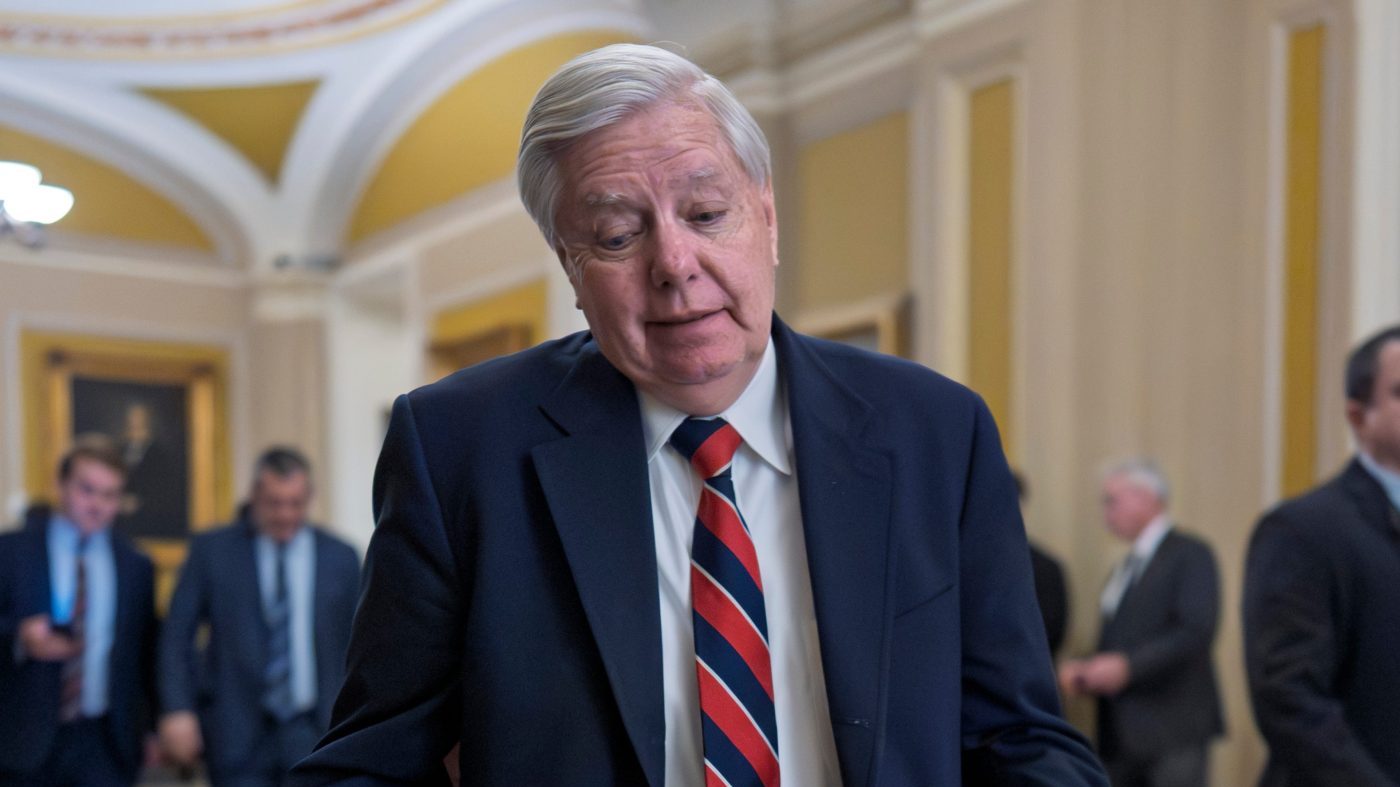
Senator Lindsey Graham issued a stark warning Monday that Iran faces imminent and overwhelming military retaliation if it does not comply with President Trump's demands to reopen the Strait of Hormuz and surrender its stockpile of enriched uranium. The South Carolina Republican framed the Tuesday night deadline as a pivotal moment in the ongoing conflict.
"By this time tomorrow, we will see one of two outcomes: either Iran capitulates through diplomatic means, ending its campaign of terror, or it will suffer a massive military attack that permanently destroys the regime's capacity to wage war," Graham declared in a television interview. He is a prominent congressional advocate for the ongoing Operation Epic Fury.
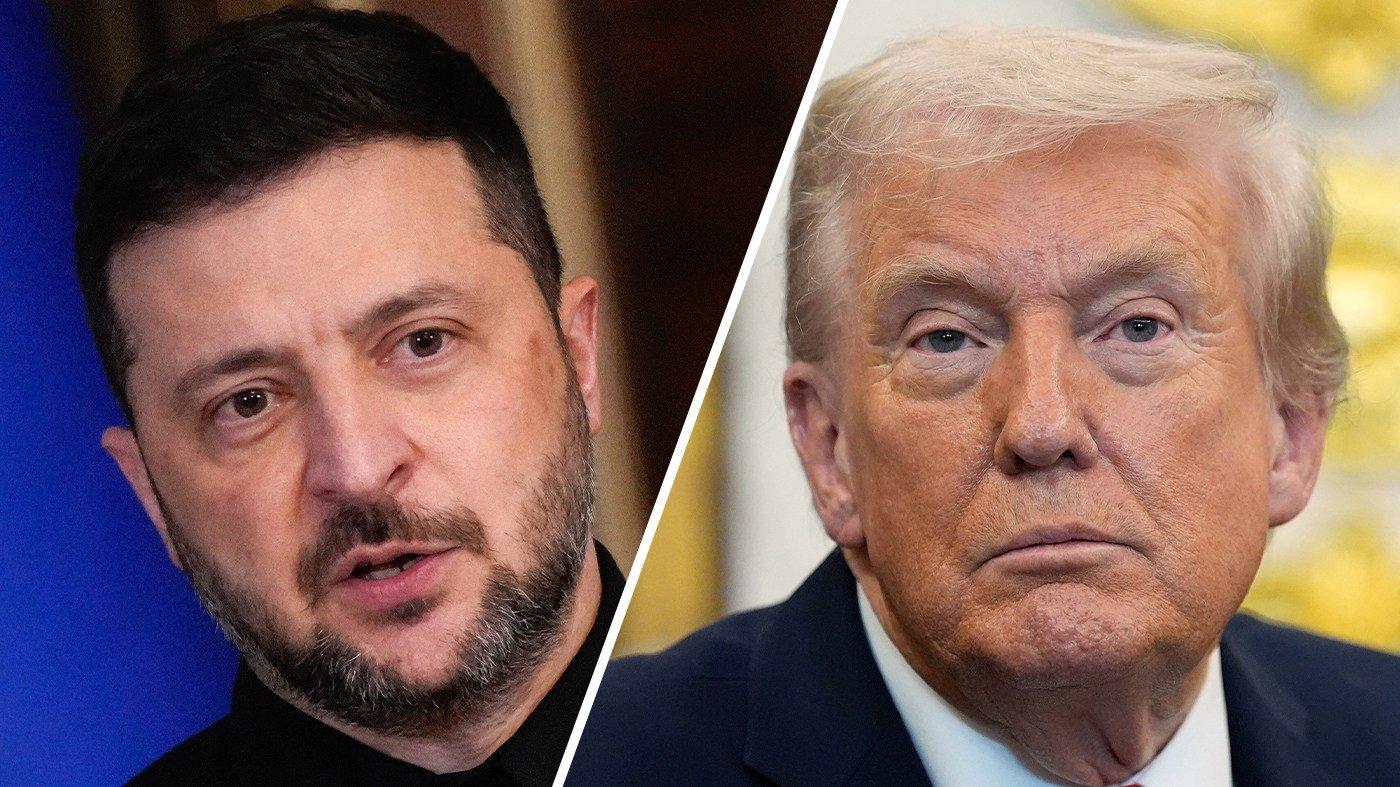
Core U.S. Demands for Any Deal
Graham emphasized that any potential peace agreement must achieve two non-negotiable objectives. First, Iran must relinquish all control over the strategic Strait of Hormuz, a vital maritime chokepoint. Second, it must completely eliminate its stock of highly enriched uranium.
"Not one ounce of that 60 percent enriched uranium can remain in Iran," Graham asserted, estimating the current stockpile is sufficient for eight to ten nuclear devices. "They must hand it over to us, or we will be forced to take it. If, when this conflict concludes, Iran retains the ability to control the strait, the world will have failed. I do not believe President Trump will allow that to happen."
President Trump has set a hard deadline of 8 p.m. Eastern Time Tuesday for Iran to lift its blockade of the strait, which handles roughly one-fifth of global oil shipments daily. The blockade has driven oil prices above $100 per barrel. In a social media post Tuesday morning, Trump threatened to unleash "all Hell" by targeting bridges and power plants, a move legal experts warn may breach international law. "A whole civilization will die tonight, never to be brought back again," he wrote.
Iran's Defiant Posture and Regional Tensions
The Iranian government has shown no signs of backing down. President Masoud Pezeshkian vowed continued resistance, stating on social media that "more than 14 million proud Iranians" have registered to defend the nation and that he remains "devoted to giving my life for Iran." Iranian authorities have reportedly urged citizens to form human shields around critical infrastructure like power plants to deter anticipated strikes.
Diplomatic efforts, mediated by Pakistan, are circulating a 15-point U.S. peace plan proposing a 45-day ceasefire in exchange for reopening the strait. However, a senior Iranian official told Reuters that Tehran will only engage in talks after the U.S. and Israel cease all attacks and provide guarantees against future conflict.
While expressing a preference for a diplomatic resolution, Graham has firmly endorsed the president's ultimatum strategy. "If it is not clear to Iran and others by now that President Trump means what he says, then I do not know when it ever will be," Graham posted on social media over the weekend, directly addressing Tehran: "Choose wisely." This stance aligns with his consistent support for the administration's hardline approach to the Iranian standoff.
The crisis underscores deepening fractures within Western alliances regarding military action, as seen in recent disputes over airspace access. Simultaneously, the administration is navigating other contentious policy battles, including domestic legal challenges to its immigration and economic agenda. The outcome of the Iran deadline will have immediate consequences for global energy markets, regional security, and the trajectory of U.S. foreign policy.