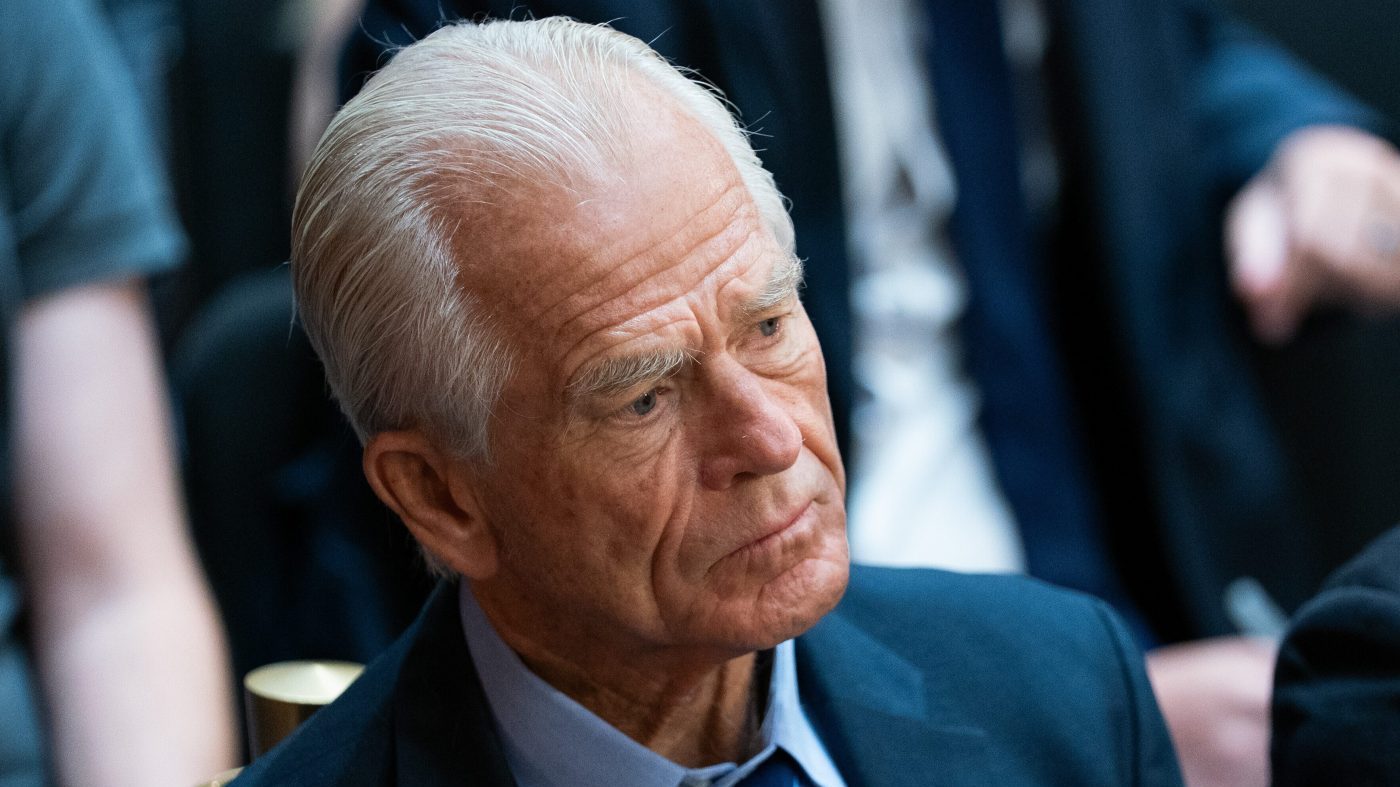
White House trade adviser Peter Navarro delivered a blistering critique of Canada on Friday, accusing the longtime U.S. ally of negotiating in bad faith after Ottawa walked away from last week's trade discussions. Speaking on NewsNation's "The Hill," Navarro warned that Canadian officials "will stab you in the back," as the two nations remain locked in an escalating tariff conflict.
The sharp remarks followed the collapse of negotiations, with U.S. Trade Representative Jamieson Greer noting Wednesday that Canada had sought concessions that were "too much" for Washington to accommodate. "We felt that giving them the best deal in the world would have been enough to get us over the hump and put us on a positive track to even bigger and better things," Greer said.

President Trump's decision to impose a 50 percent tariff on $20 billion worth of Canadian imports prompted Prime Minister Mark Carney to retaliate with "dollar for dollar" tariffs on U.S. goods, effective Sept. 8. Navarro said Trump had even softened his criticism when he recently described Canadian officials as the "toughest" and "nastiest" negotiators on trade.
"This time, we gave them a really good deal. And then they try to retrade it," Navarro told host Blake Burman. "And then Carney starts talking his smack and [Ontario Premier] Doug Ford starts talking his smack."
In response to Carney's retaliatory measures, Trump has threatened to impose an additional 50 percent tariff on Canadian automobiles, parts, and steel beginning Jan. 1, 2027. Navarro, one of the administration's most vocal tariff advocates, said he believes the president will follow through on that threat.
The trade adviser also leveled an unsubstantiated accusation that Ottawa has interfered in U.S. elections, claiming Canada has attempted to influence lawmakers on trade policy ahead of the midterms. "This is election interference by Canada. And this is nothing new," he said. "They have more lobbyists than K Street. They come down and lobby our Congress on trade."
The escalating dispute has raised concerns about collateral damage in various sectors, including the Maine lobster industry, which fears significant economic losses. Meanwhile, Ontario's electricity threats have added another layer of tension, potentially affecting U.S. power prices.
Some analysts have criticized the administration's approach, with former Labor Secretary Robert Reich calling the Canadian tariffs "irrational." The trade war's broader implications are also being felt in defense industries, as trade collapse with Canada threatens US defense industry gains. Amid the turmoil, some lawmakers see openings for fresh negotiations, with Senator Susan Collins viewing a pause on Canadian seafood tariffs as a potential opening for renewed dialogue.