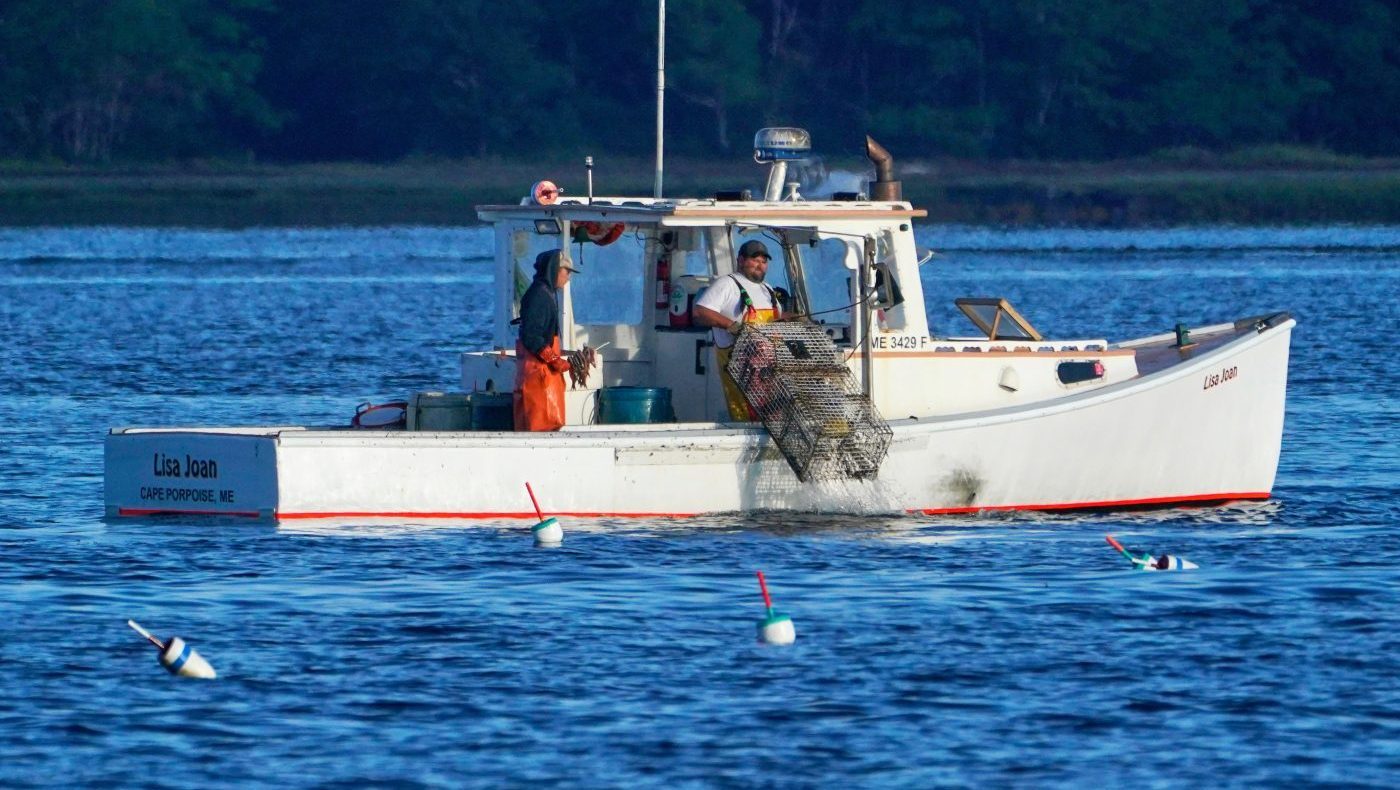
The Maine Lobstermen's Association issued a stark warning Wednesday that the intensifying trade conflict between Washington and Ottawa could leave the state's iconic lobster fishery as "collateral damage." The statement came in response to Canada's announcement that it will slap a 25% tariff on American lobster, a direct countermeasure to the latest U.S. duties imposed by the Trump administration.
The two countries' lobster economies are deeply intertwined, with numerous processing plants operating on both sides of the border. According to the association, Canadian buyers take roughly half of Maine's lobster catch during the crucial fall season, making the Canadian market indispensable to the state's fishermen.

"A 25% tariff could disrupt that market overnight, putting significant downward pressure on the price paid to lobstermen. The impact would be felt immediately on Maine's docks. Lobstermen are already facing historically high operating costs, an increasingly difficult business environment, and razor-thin margins. If prices fall far enough, many simply will not be able to afford to fish," the group said in a press release.
Patrice McCarron, the association's executive director, underscored the stakes: "Maine lobstermen should not become collateral damage in a broader trade dispute. Losing access to such an important market at the height of our fall season could be devastating to fishermen and coastal communities."
Maine's political leaders have also weighed in, with independent Senator Angus King highlighting a particularly convoluted aspect of the dispute. Lobster is often shipped across the border multiple times during processing, meaning it could be taxed at each crossing. "Almost half of the Maine lobster catch goes to Canada for processing which means that they will be tariffed on their way from the United States to Canada which could cut off the Canadian market with devastating consequences. And if the President's misguided trade war further escalates, the processed lobsters could be taxed again when they are shipped back from Canada to the United States," King said in a statement Tuesday.
King's remarks reflect a broader frustration in Maine over the administration's trade tactics. "If the President doesn't relent, this hammer blow to hardworking Maine people would devastate the Maine lobster industry and leave many of these hardworking people literally high and dry. Maine people are not interested in personal, retaliatory politics," he added.
The Canadian tariffs are a response to President Trump's decision to impose a 50% tariff on $27.6 billion worth of Canadian goods. Ottawa has pledged to match that figure with 25% tariffs on U.S. products, set to take effect September 8. This tit-for-tat escalation has raised concerns beyond the lobster industry, with some analysts warning of broader economic fallout. The escalating trade war has already drawn criticism from former Labor Secretary Robert Reich, who called the tariffs "irrational."
The Maine Lobstermen's Association also reminded the administration of its own promises. "The Administration has pledged to strengthen America's commercial fishing industry and keep U.S. seafood competitive. Protecting access to one of Maine lobster's most important markets is essential to fulfilling that commitment," the group said.
As the dispute grinds on, the political fallout is becoming a factor in Maine's Senate race, where Republican Susan Collins is facing a tough reelection bid. The trade tensions are testing Collins, who has walked a careful line between supporting her state's industries and not alienating the president's base. Meanwhile, the feud between Trump and Canadian Prime Minister Mark Carney shows no signs of cooling, with both sides digging in.
For Maine's lobstermen, the immediate future looks uncertain. The fall season is their busiest, and the threat of a 25% tariff could not come at a worse time. As McCarron put it, the industry is bracing for impact.