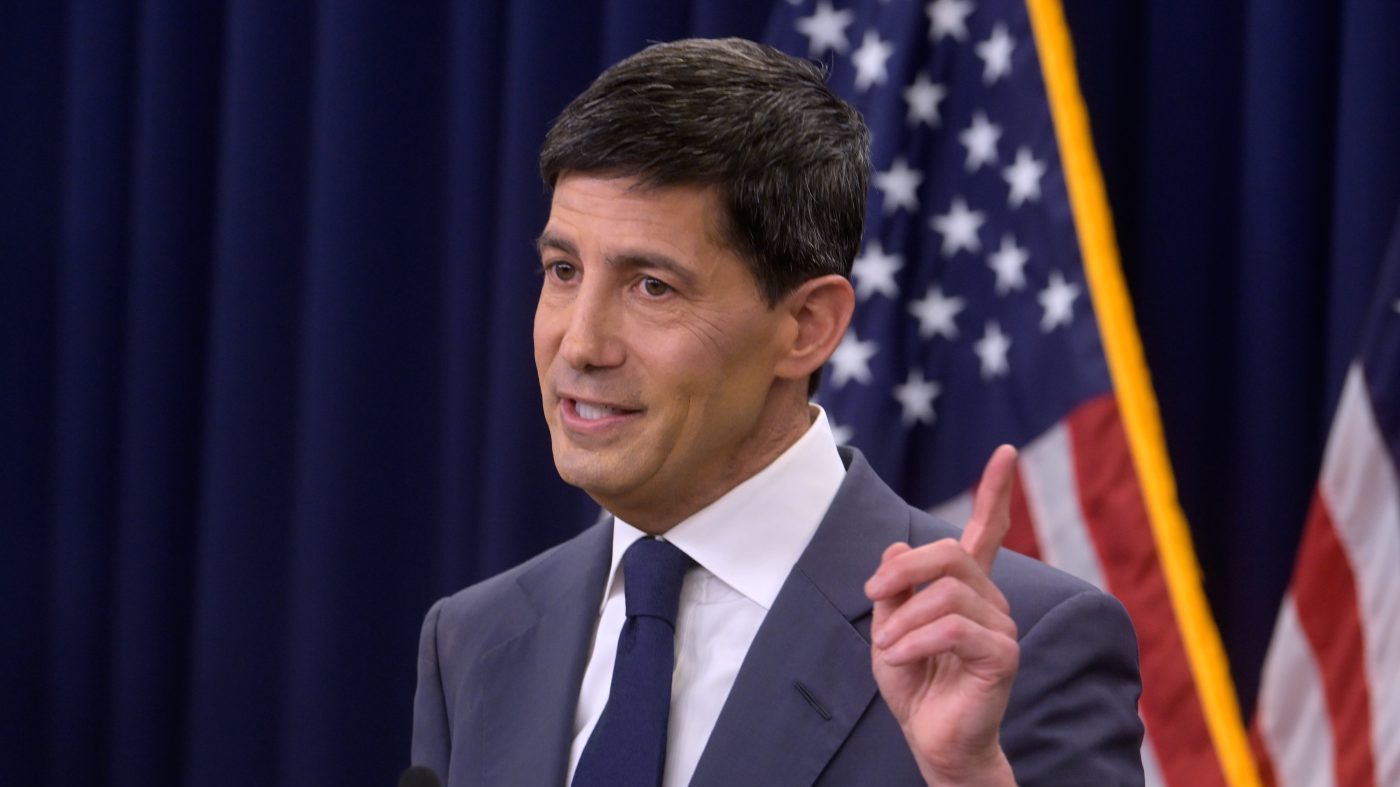
Republican candidate Tyler Kistner announced Wednesday he is ending his campaign for Minnesota's 2nd Congressional District after receiving military orders for a deployment to the Middle East. Kistner, who had launched a bid for the seat being vacated by Democratic Rep. Angie Craig, cited his activation from the Marine Corps Reserve as the reason for his withdrawal.
"Recently, it's become clear that my service to this great country is needed more in other areas," Kistner stated in a post on the social media platform X. "My work at the Pentagon has demanded more of my time over the last six months than I initially anticipated." He confirmed he had been activated for deployment, adding, "When this seat became open, I was excited for the opportunity to run and win... this is not the end of our work together."

Kistner was a two-time Republican nominee for the district, narrowly losing to Craig in both 2020 and 2022. His exit reshapes the emerging field for the 2026 election cycle. Craig, who flipped the historically Republican seat in 2018, is leaving the House to run for the U.S. Senate, creating a competitive open-seat contest.
The departure leaves state Sen. Eric Pratt as the sole declared Republican candidate. Pratt praised Kistner's decision, stating, "Moments like this are a reminder that elections are about more than campaigns." On the Democratic side, the field includes former state Sen. Matt Little and current state Sen. Matt Klein, who are among those vying for the open seat in a primary process that mirrors competitive races elsewhere.
Political analysts rate Minnesota's 2nd District as Likely Democratic, though Republicans view it as a perennial target. The district's political history adds significance to the race, as Craig's initial victory ended roughly two decades of GOP control. Kistner's near-upsets demonstrated the district's competitive potential, making his absence from the 2026 field a consequential development for Republican recruitment efforts.
The deployment underscores how global military engagements and Middle East instability can directly impact domestic politics, pulling candidates from the campaign trail to active duty. This dynamic reflects broader national conversations about military commitments, as seen when figures like Sen. J.D. Vance acknowledges political discontent with U.S. strategy in the region.
Kistner's exit also occurs amid ongoing internal Republican debates over party priorities and unity, a theme playing out in congressional races across the country. The Minnesota primary is scheduled for August 11, giving other potential Republican contenders a window to enter the race following this unexpected vacancy in the candidate field.
The development highlights the unpredictable nature of electoral politics, where personal service obligations can abruptly alter campaign landscapes. As both parties assess their prospects for the open seat, Kistner's deployment adds a layer of complexity to what was already expected to be a closely watched and expensive House race in a pivotal swing district.