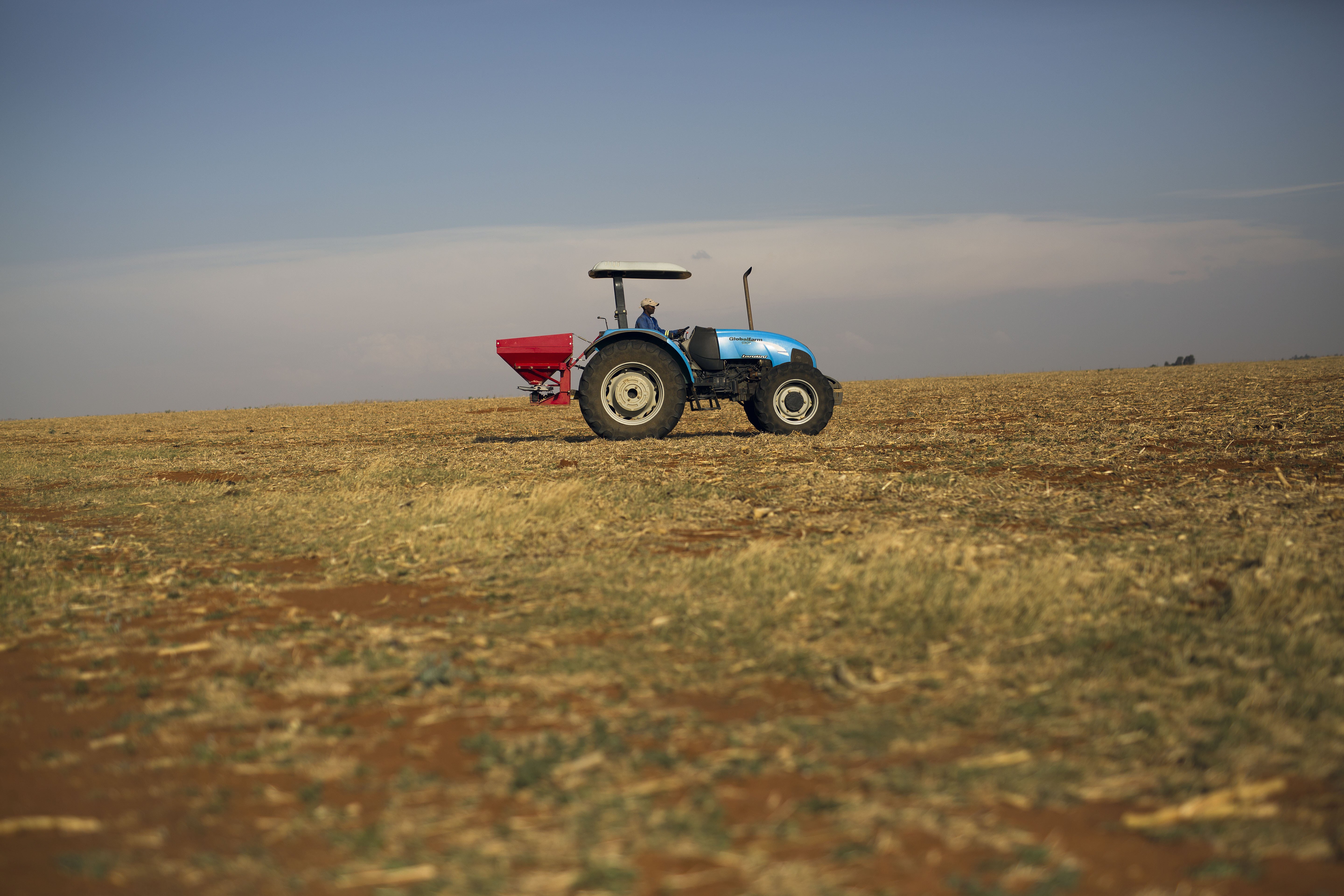
A stark new survey from the American Farm Bureau Federation reveals a deepening affordability crisis in American agriculture, with 70% of farmers reporting they cannot purchase necessary fertilizer due to sharp price increases. The data, collected from over 5,700 respondents in early April, directly challenges recent administration statements downplaying the conflict's impact on agricultural producers.
Financial Strain and Geopolitical Roots
The AFBF's Market Intel analysis team directly links the price volatility to geopolitical risks disrupting global markets, specifically citing the U.S.-Israeli conflict with Iran that began in late February. "Spring planting decisions depend heavily on access to fertilizer and diesel fuel, both of which have been impacted by geopolitical risks that have disrupted global markets," the team stated. Since the conflict's onset, nitrogen fertilizer prices have surged more than 30%, with combined fuel and fertilizer costs rising 20-40% and urea prices jumping 47%.

The closure of the Strait of Hormuz—a critical chokepoint for over one-third of globally traded fertilizer—has severely disrupted shipments ahead of the crucial spring planting season. The AFBF assesses the current fertilizer market as the most volatile since Russia's 2022 invasion of Ukraine, with Middle East disruptions affecting approximately 49% of global urea exports essential for crop production.
Administration Assessment Contradicted
The survey findings stand in direct contrast to recent assurances from Agriculture Secretary Brooke Rollins. Last month, Rollins stated on Fox Business Network that the conflict "will not impact the majority of farm workers," noting that 80% of farmers had already purchased fertilizer last year in preparation. She concluded there "should not be much disruption." Earlier in March, Rollins indicated the White House was exploring ways to assist farmers, including conversations with lawmakers about funding mechanisms.
However, the AFBF data paints a grimmer picture: 94% of surveyed farmers report their financial situation has either worsened or remained stagnant, with only 6% noting improvement. This financial pressure comes as Americans increasingly express concern over economic burdens, with a Gallup poll showing a majority believe the federal tax burden remains excessive for the fifth consecutive year.
Regional Disparities in Preparedness
The survey uncovered significant regional differences in farmers' ability to mitigate the price shock through pre-booking fertilizer. Midwestern producers, who typically require larger volumes and plan further ahead, reported the highest pre-booking rate at 67%. The West followed at 31%, the Northeast at 30%, and the South at just 19%. "While the United States is the world's largest producer of oil and natural gas, fuel and fertilizer markets remain globally interconnected," the AFBF emphasized, highlighting the domestic industry's vulnerability to international supply chain disruptions.
These economic pressures on agricultural communities emerge alongside shifting public sentiment on foreign policy. A recent Pew Research Center survey found over 60% of Americans now hold an unfavorable view of Israel, suggesting complex domestic reactions to overseas conflicts that have tangible economic consequences at home.
Broader Policy Implications
The fertilizer crisis intersects with several ongoing policy debates, from energy independence to surveillance authority. The AFBF's findings underscore how national security decisions can rapidly translate into economic distress for critical domestic industries. As Congress faces deadlines on issues like the reauthorization of FISA Section 702 amid controversy over warrantless searches, the agricultural sector's struggles demonstrate the interconnected nature of foreign policy, economic policy, and domestic welfare.
The situation leaves farmers navigating what the AFBF calls the most volatile fertilizer market in years during a crucial planting season, with administration assessments and ground-level realities appearing markedly disconnected. How policymakers respond to this emerging crisis in America's heartland will have significant implications for food security, rural economies, and the political landscape in an election year.