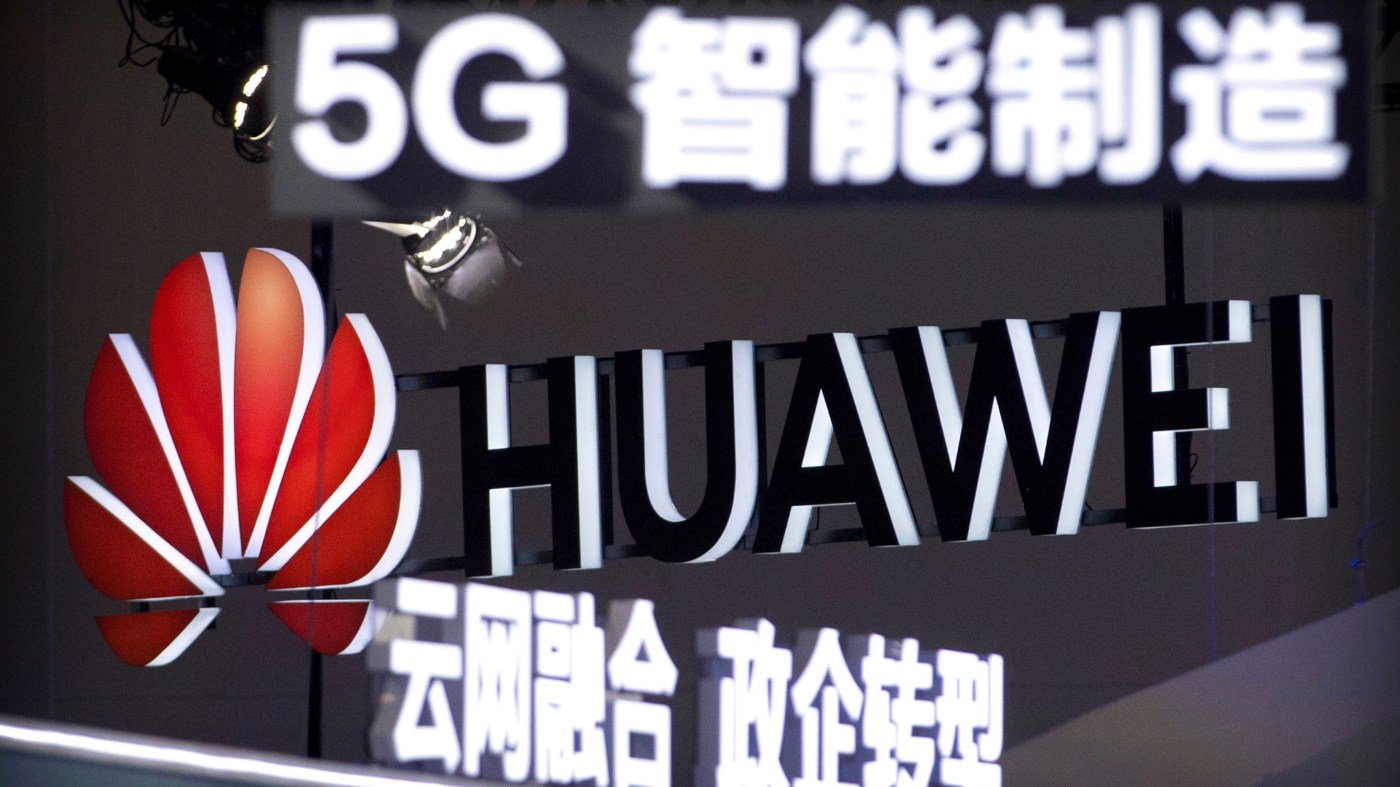
Mexico's deepening embrace of Chinese telecommunications giant Huawei is fueling fresh security concerns in Washington, with officials warning that the company's expanding footprint near the U.S.-Mexico border poses a direct threat to both nations. In recent months, senior Mexican officials—including the secretaries of science, energy, and anti-corruption, as well as members of the Senate—have held key meetings with Huawei executives, signaling a strategic shift in Mexico's technology partnerships.
The new head of Huawei Mexico, David Tao, has been explicit about the company's ambitions: expanding operations in telecommunications, power grids, and artificial intelligence. Since 2022, Huawei's presence in Mexico has grown fivefold, backed by a $64 million investment and a regional technical support center covering Mexico and Latin America. The company has also been granted a 30-year operating license for Chinese state-owned telecom Unicom, which collaborates closely with Huawei on AI projects in government and manufacturing sectors.

This expansion comes despite a long history of U.S. and European concerns. Huawei has faced allegations of espionage, racketeering, and theft of American trade secrets—charges the company denies. In 2019, the Trump administration ordered all U.S. government agencies to purge Huawei equipment, citing national security risks. More recently, the European Parliament shut down a major lobbying infiltration by Huawei, and authorities have reported bribery and corruption cases involving the company.
Huawei's ties to the Chinese Communist Party, which oversaw its rise from a phone importer in 1987 to a $178 billion global conglomerate, remain a central point of distrust. U.S. officials have also pointed to reported Huawei and ZTE activities in Cuba, including near known spy bases, as evidence of a broader strategy against American interests. The proximity of these operations to the U.S. border has intensified calls for scrutiny.
Last week, the U.S. Federal Communications Commission announced plans to vote on bolstering telecom border security with Mexico and Canada. The proposed rules would enhance foreign ownership reporting, mandate disclosures on untrusted equipment, and require carriers to meet cybersecurity standards—measures aimed at countering Chinese influence in the region.
Mexico's growing reliance on Chinese telecoms is not just a security issue; it also threatens economic integrity and supply chain security, analysts warn. As U.S. officials push to enforce USMCA energy rules against Mexico, the broader trade relationship is already strained. Adding a security dimension could further complicate bilateral ties.
The FCC's move comes amid heightened scrutiny of Chinese cyber activity. The FBI recently seized hacking tools linked to a Chinese state-sponsored group, underscoring the persistent threat. Lawmakers, including GOP senators, have also pressed the Justice Department on Chinese influence in U.S. markets, from cannabis to technology.
Mexico's decisions on Huawei will have lasting consequences for regional security and the U.S.-Mexico alliance. As the U.S. tightens its telecom defenses, Mexico faces a critical choice: continue deepening ties with a company under a cloud of espionage allegations, or reassess its partnerships to protect shared interests. The time for a careful review is now.