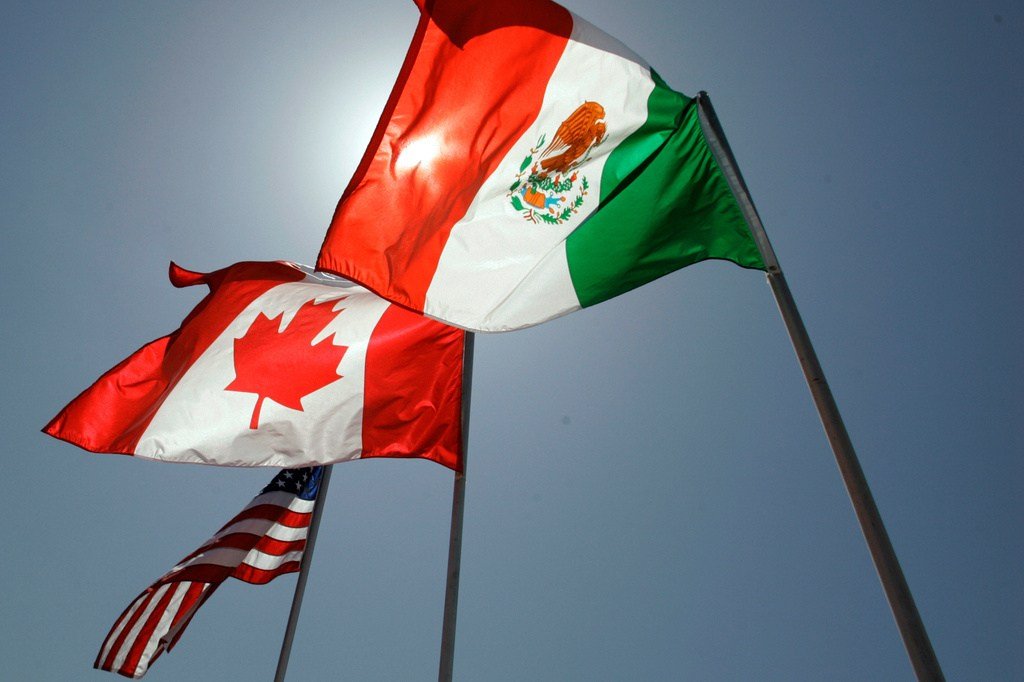
When U.S. and Mexican trade officials gather in Washington this month for the ongoing joint review of the U.S.-Mexico-Canada Agreement (USMCA), a long-simmering dispute over energy policy is expected to take center stage. At issue: Mexico's systematic favoritism toward its state-owned energy companies, which American firms say violates the trade deal's core promises.
The Trump administration secured landmark commitments from Mexico in the original USMCA to open its energy markets and ensure fair treatment for U.S. investors. But critics argue that enforcement has been weak, and Mexico has since enacted a series of measures that tilt the playing field sharply in favor of its national utilities and oil giant.
In 2021, Mexico changed its grid rules to prioritize electricity from the state-owned utility, effectively sidelining private generators, many of which are American-owned. The Office of the U.S. Trade Representative (USTR) opened consultations in 2022—the first step in the USMCA dispute process—but never advanced to a formal panel. That inaction allowed Mexico to push further.
Constitutional changes in 2024 and new energy laws in early 2025 entrenched state control, requiring that the government account for at least 54 percent of electricity injected into the national grid each year. Regulatory authority has also been consolidated under the executive branch, giving officials broad discretion to approve or deny permits for foreign energy projects.
The result, according to U.S. industry groups, is a cascade of barriers for American companies in oil, natural gas, wind, and solar. Exploration, drilling, refining, and transportation face new hurdles, while renewable developers struggle to secure grid access and dispatch rights. U.S. energy exports to Mexico are also hampered, reducing opportunities for American investment and growth.
“American companies cannot compete on a level playing field when a foreign government owns their competitor and writes the rules in its favor,” said a joint statement from the American Clean Power Association, the Interstate Natural Gas Association of America, and other stakeholders. The groups, representing a broad swath of the U.S. energy sector, say they disagree on many policy details but are united on the need for enforceable rules.
The joint review provides a fresh opening for USTR to resolve the dispute—either through negotiations that dismantle Mexico's discriminatory policies or by moving to formal dispute settlement. Lawmakers are pressing the administration to use all available tools, and some are backing new legislation to strengthen USTR's hand.
The bipartisan Mexican Energy Trade Enforcement Act would give USTR additional resources and congressional backing to reverse Mexico's investment barriers. Supporters argue that without such measures, the credibility of USMCA itself is at stake.
Mexico remains one of America's most vital economic partners, and both sides say they want more North American energy trade, not less. But as one congressional aide put it, “Partnership cannot mean enjoying the benefits of USMCA while ignoring the commitments that come with them.”
The coming weeks will test whether Washington is willing to enforce the deal it negotiated—and whether Mexico will honor its obligations under the agreement.