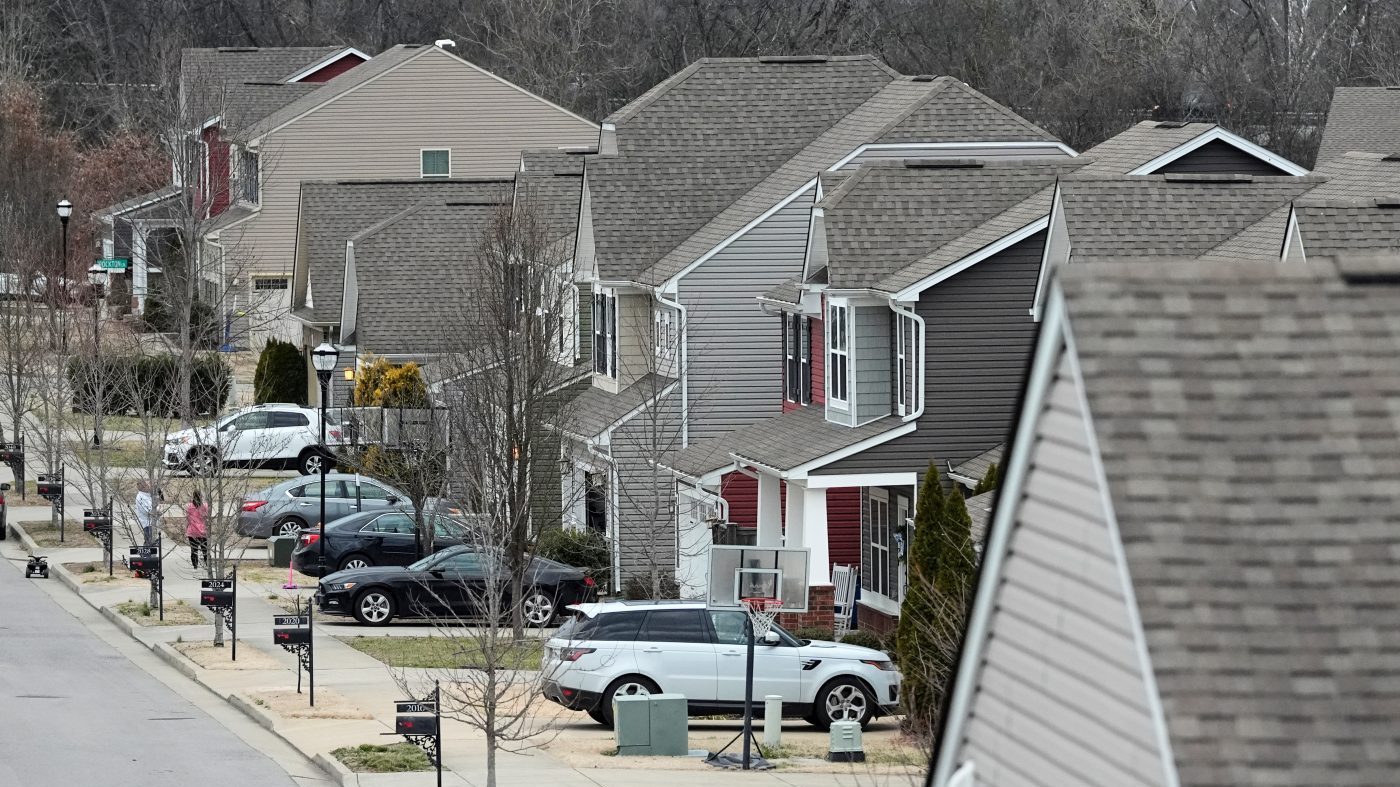
The average 30-year fixed mortgage rate has breached the 7% threshold, a level not seen since January 2025, according to data from Freddie Mac released Thursday. The benchmark rate now stands at 7.03%, up from 6.95% last week, marking the fifth consecutive weekly increase.
This latest climb brings mortgage costs to their highest point since the week ending January 16, 2025, just days before President Trump returned to the White House. While rates remain below the 25-year peak of 7.79% reached in October 2023, analysts expect them to stay elevated as inflation runs above the Federal Reserve's 2% target and ongoing conflict in the Middle East keeps energy prices high.
Lawrence Yun, chief economist for the National Association of Realtors, said last week, "Expect 7% as the new normal. Job additions will be the one factor that can support homebuying."
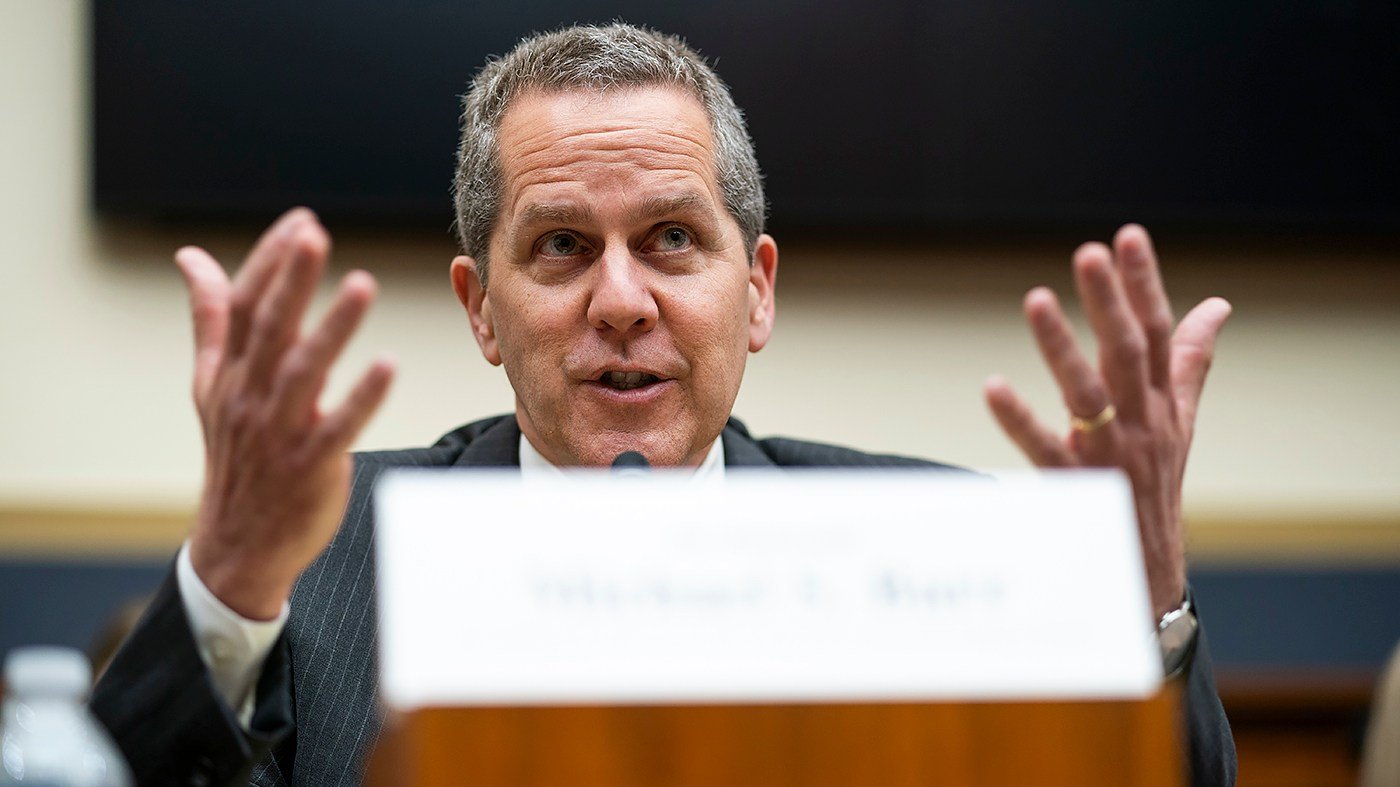
The central bank raised its benchmark interest rate by a quarter point last week, bringing the target range to 3.75% to 4%, in an effort to curb persistent inflation. Fed Chair Kevin Warsh defended the move, stating that hiking rates would "support a timelier return" to the 2% annual inflation target, and noted that this summer's inflation data do not indicate that "underlying trends have meaningfully improved."
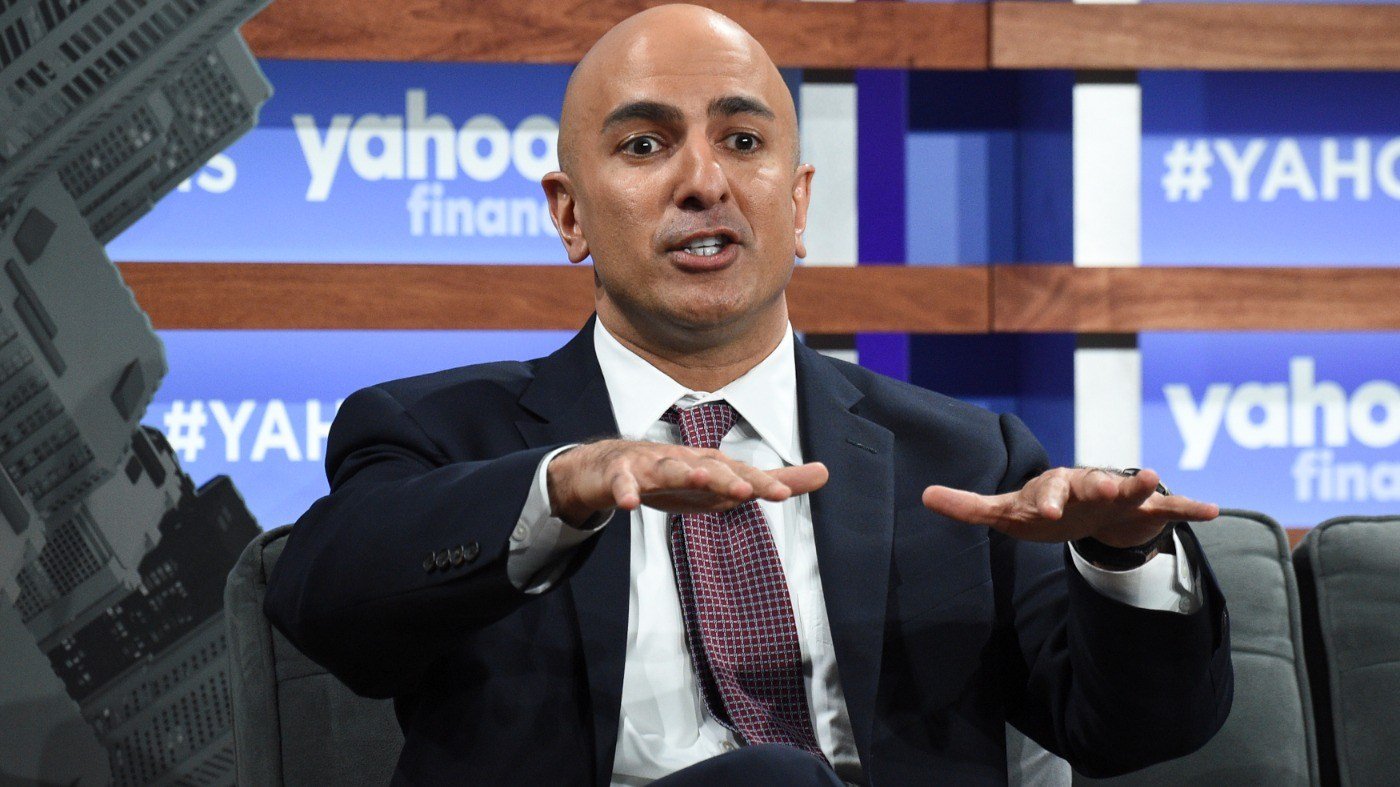
Further rate increases could be on the horizon. Philadelphia Fed President Anna Paulson said Thursday at a financial technology conference, "Looking ahead, if conditions evolve as I expect, some modest further tightening may be warranted." The Federal Open Market Committee is scheduled to meet again in late October.
President Trump has publicly pressed the Fed to slash rates, but mortgage rates are more directly tied to the 10-year U.S. Treasury bond yield, which has surged to a 19-year high. As of early Thursday afternoon, the 10-year yield was up about 3 basis points to roughly 5.14%.
The rise in Treasury yields—and consequently mortgage rates—has been sharp since late February, when the U.S. and Israel launched military action in Iran. The 10-year yield has climbed more than a full percentage point since then, and the average 30-year mortgage rate has jumped from 5.98% in the week before the conflict began.
For prospective homebuyers, the higher borrowing costs add another layer of pressure in an already challenging housing market. With the Fed signaling more hikes and geopolitical tensions continuing to influence energy prices, the near-term outlook for mortgage rates points to continued upward pressure.