A proposal to prohibit diesel exports has exposed a rift within the Senate Republican conference, with farm-state senators pushing the measure to alleviate soaring fuel costs while oil-state colleagues dismiss it as a political stunt.
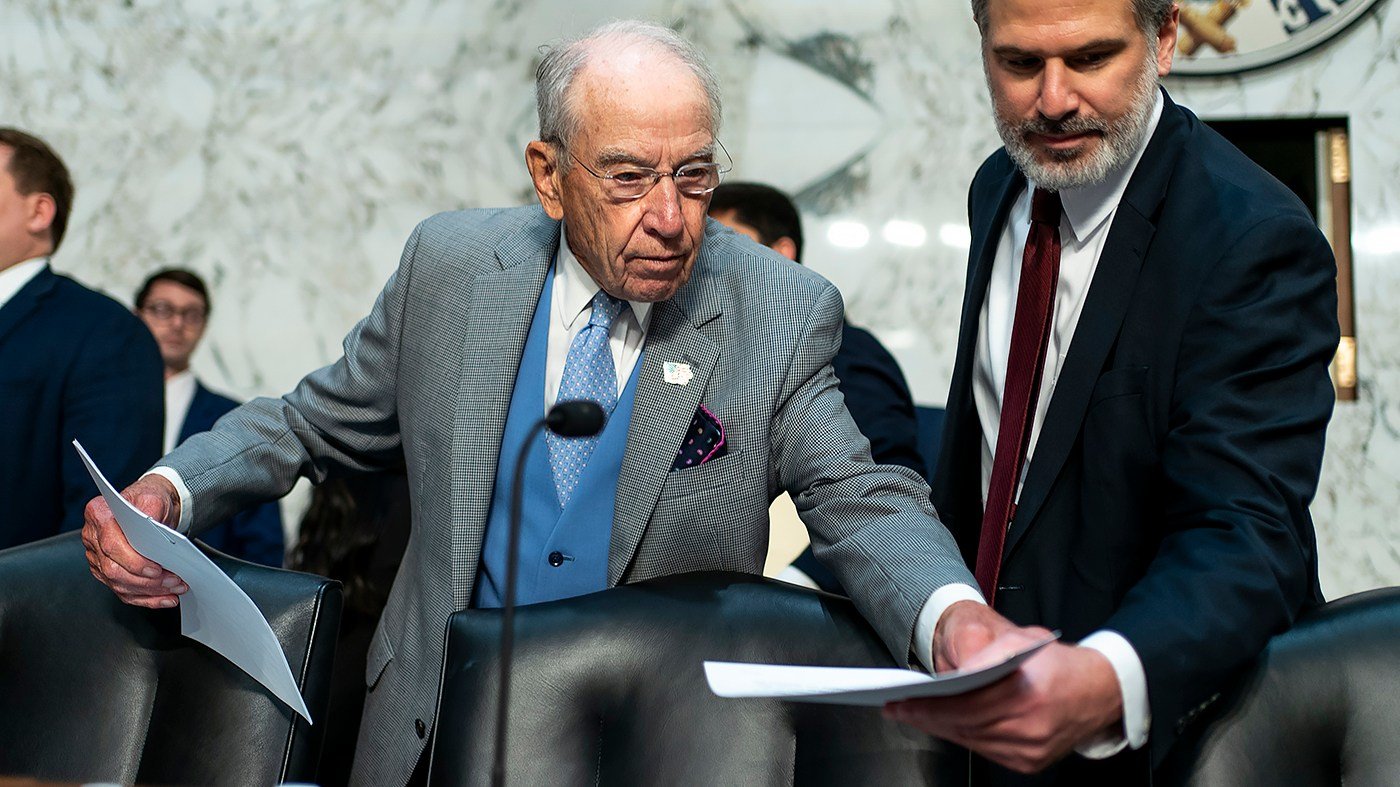
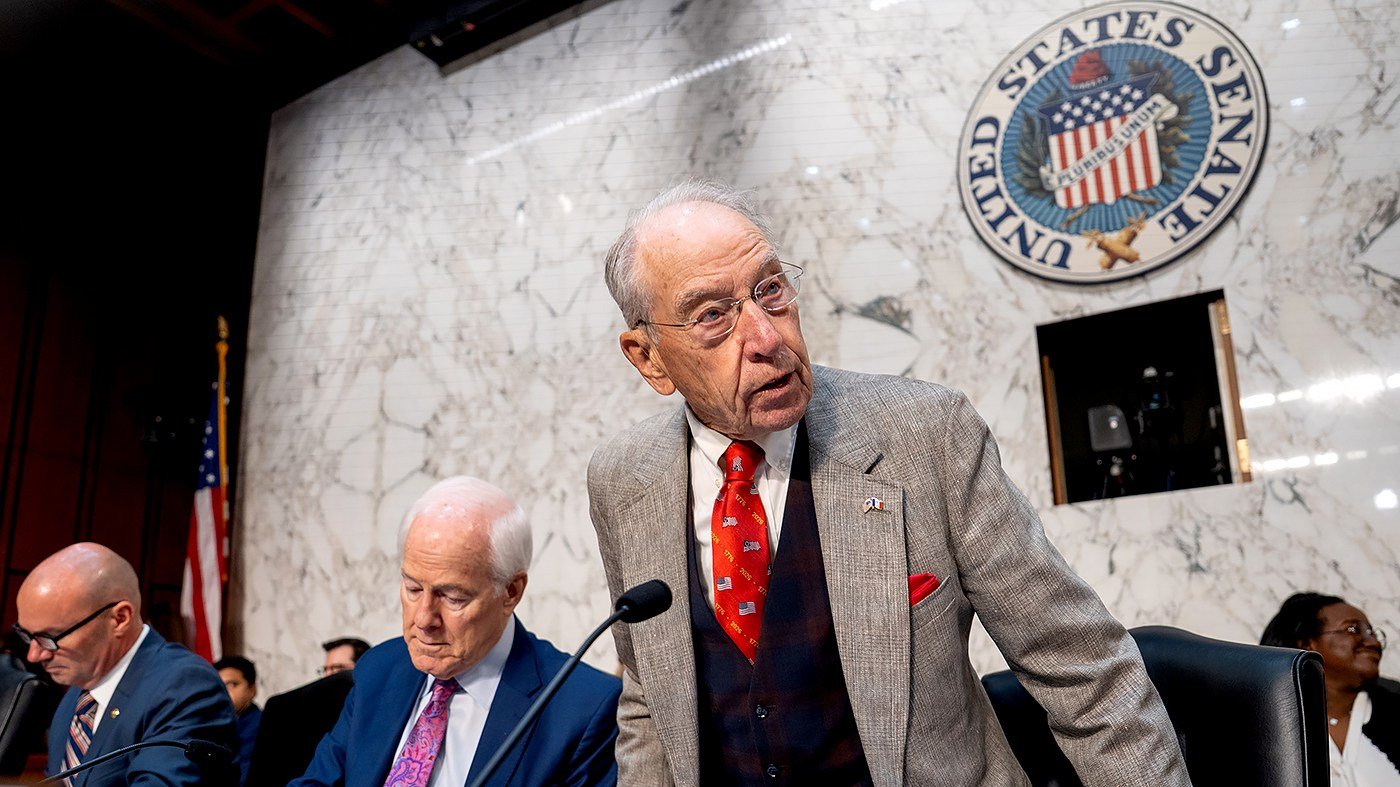
Sen. Chuck Grassley (R-Iowa) and other Republicans from agricultural states have endorsed the export ban, arguing it would boost domestic supply and bring down prices. The idea gained traction after Grassley took to social media over the weekend, asking why President Trump doesn't impose an embargo on diesel exports similar to the agricultural embargoes of the 1970s. He declared that high diesel prices are devastating farmers' incomes. The push comes as diesel costs have surged, putting political pressure on Republicans in states like Iowa, Kansas, and Nebraska—once considered safe seats that Democrats now see as competitive.
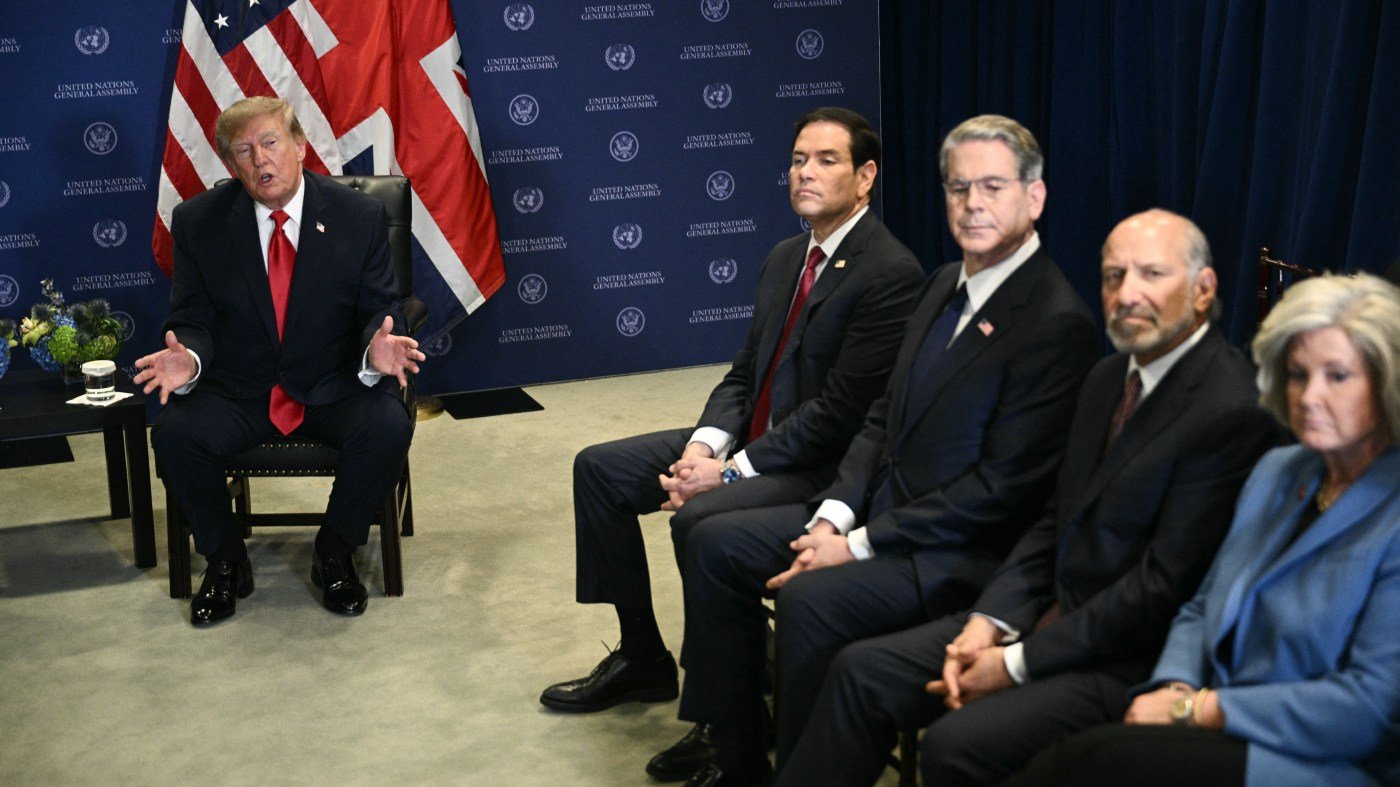
Senate Majority Leader John Thune (R-S.D.) has signaled openness to the concept, but oil-state Republicans have forcefully rejected it. They argue that restricting exports would distort markets and ultimately harm domestic production. The clash highlights a broader tension within the GOP as it grapples with rising inflation and an increasingly volatile global energy landscape. The debate also intersects with President Trump's trade war, which has already hurt commodity prices for pork and soybeans, compounding the financial strain on farmers.
Rep. Ashley Hinson (R-Iowa), locked in a tight reelection race against Democrat Josh Turek, threw her support behind the export ban on Monday. She blamed the administration's prolonged conflict with Iran for driving up fuel prices and called for a suspension of the gas tax, a pause on diesel exports, and looser restrictions on higher-ethanol gasoline blends. "Iowans are being squeezed and shouldn't have to foot the bill at the pump or the checkout line for the war in Iran," Hinson posted on X. "We need to use every option at our disposal to provide some relief from high prices."
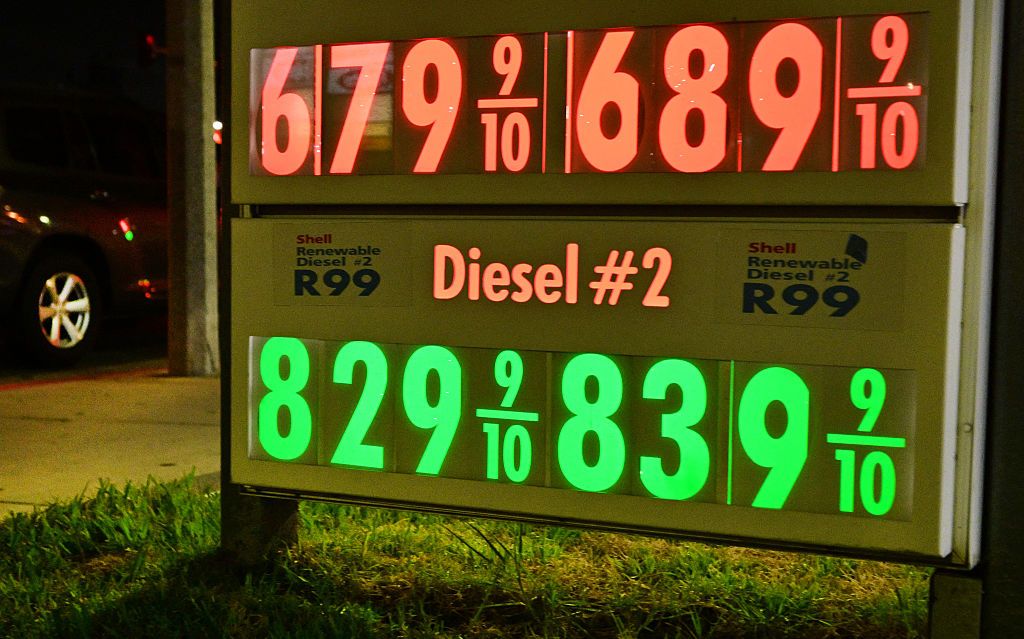
The proposal's momentum reflects growing anxiety among Republicans about the political fallout from rising costs. With diesel prices hitting record highs and the midterm elections approaching, farm-state lawmakers are eager to show they are addressing the pain. Yet the divide within the party underscores the difficulty of crafting an energy policy that satisfies both agricultural and oil-producing constituencies.
As the debate unfolds, Senate Republicans must navigate a narrow path between providing relief to struggling farmers and avoiding market disruptions that could backfire. The outcome will likely shape not only energy policy but also the GOP's electoral prospects in key states.