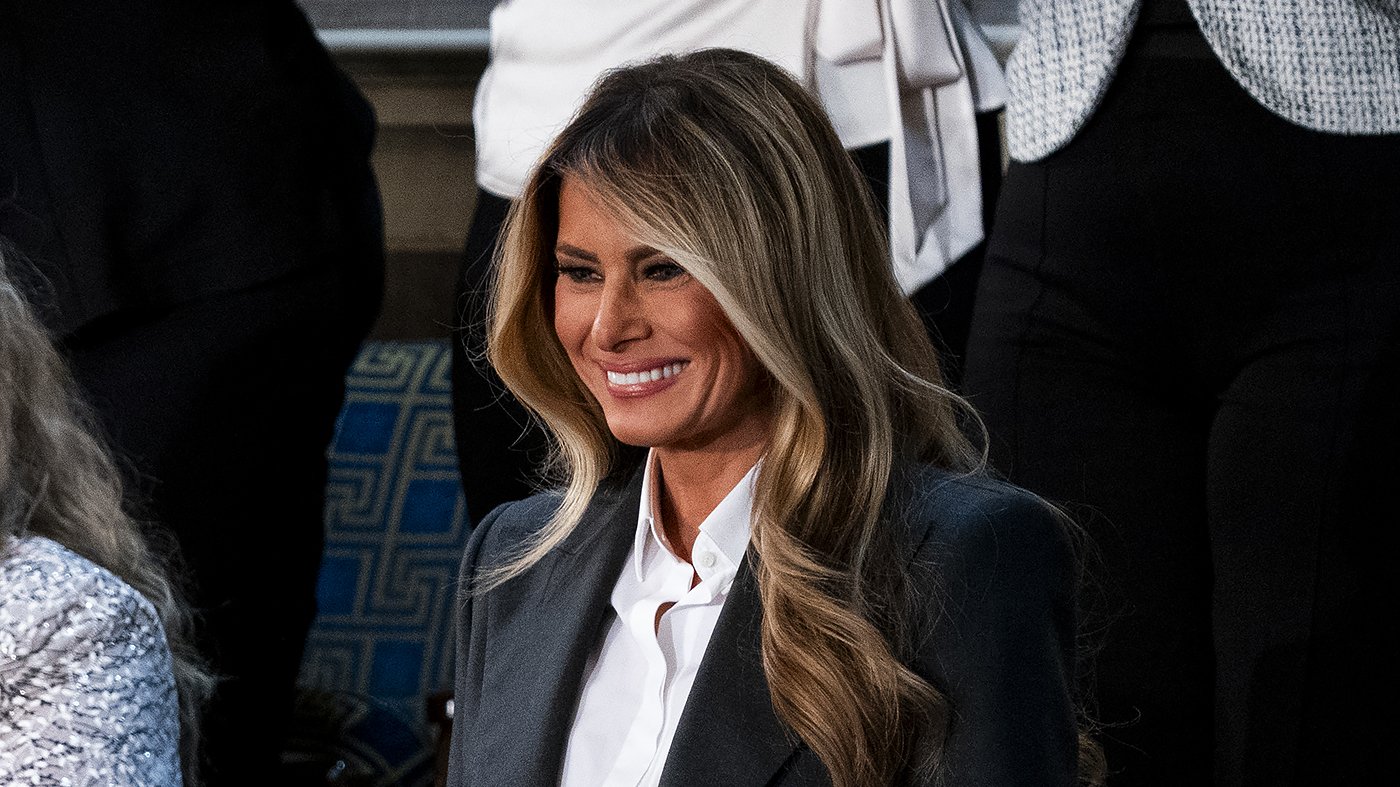
First Lady Melania Trump will attend this weekend's White House Correspondents' Association dinner alongside President Trump, her first appearance at the high-profile Washington event. The dinner, scheduled for Saturday at the Washington Hilton, will also mark the president's return to the gathering after he boycotted it throughout his entire first term, breaking a longstanding tradition of presidential attendance.
A Return After Years of Absence
President Trump announced his intention to attend last month in a characteristically boastful social media post. He framed his participation as an honor in light of the nation's upcoming 250th birthday and what he described as the media's begrudging acknowledgment of his presidential stature. "In honor of our Nation's 250th Birthday, and the fact that these 'Correspondents' now admit that I am truly one of the Greatest Presidents in the History of our Country, the G.O.A.T., according to many, it will be my Honor to accept their invitation, and work to make it the GREATEST, HOTTEST, and MOST SPECTACULAR DINNER, OF ANY KIND, EVER!" Trump wrote.
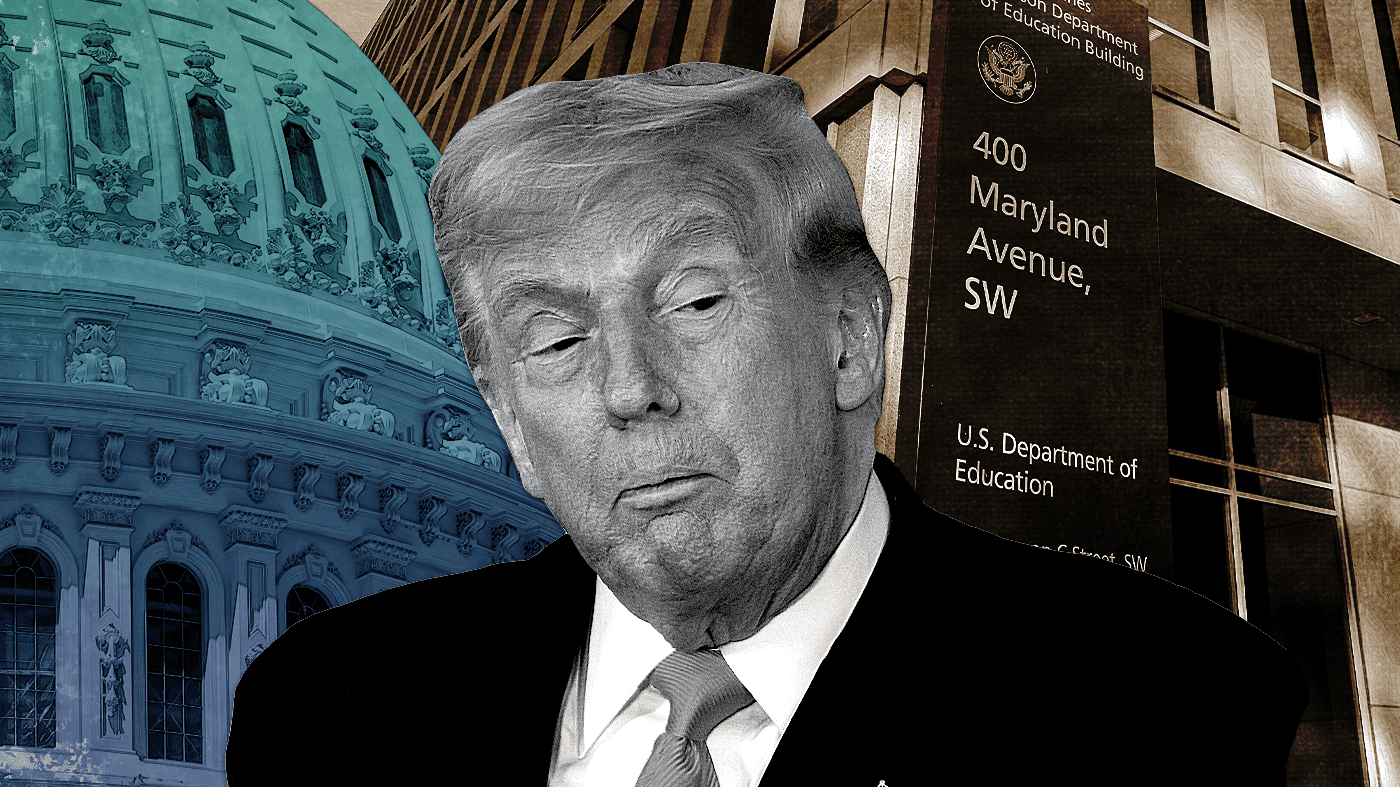
The president last attended the dinner, often informally called "Nerd Prom," in 2015 during his initial campaign. His wife did not join him that year, making her presence this weekend a notable first. The event, which raises funds for the WHCA's journalism scholarship program, typically draws a mix of journalists, politicians, Washington power brokers, and celebrities.
Context of a Fraught Relationship with the Press
The decision by both Trumps to attend occurs against the backdrop of a persistently adversarial relationship between the former president and the mainstream press corps. Throughout his presidency and beyond, Trump has frequently labeled critical coverage as "fake news" and attacked specific outlets and journalists. This dynamic makes their joint appearance a significant, if potentially tense, moment on the Washington calendar.
This appearance also comes as Trump continues to shape his political legacy, a subject of intense debate. An analysis of Trump's legacy argues it is defined by scandals, efforts at self-memorialization, and constitutional crises, providing critical context for his return to an event celebrating the free press.
Furthermore, the event unfolds amid ongoing political tensions within the Republican coalition. While some allies vigorously defend Trump's rhetoric and policy positions, such as when Rep. Elise Stefanik defended his threats against Iranian targets in a televised debate, other party figures warn of electoral consequences from internal feuds. Notably, a GOP senator recently cautioned that a public dispute involving Trump and his vice-presidential pick could hurt the party in the midterms.
Event Details and Broader Implications
Entertainment for the dinner will be provided by mentalist Oz Pearlman. The gathering represents a rare instance of direct social interaction between the former first couple and the Washington press establishment they often vilify.
The Trumps' attendance signals a re-engagement with a ceremonial aspect of presidential politics that was previously rejected. It may also be viewed as an effort to project normalcy and tradition, even as Trump's campaign rhetoric often focuses on more confrontational themes. Critics have warned that his recent war rhetoric dangerously fuses profanity, Christian nationalism, and xenophobia, highlighting the stark contrast between the formal dinner setting and his prevailing political style.
As the political world watches this symbolic convergence of media and political power, the evening will undoubtedly be scrutinized for signs of thaw, further friction, or simply spectacle—a fitting coda to a presidency and a political movement that has consistently defied Washington norms.