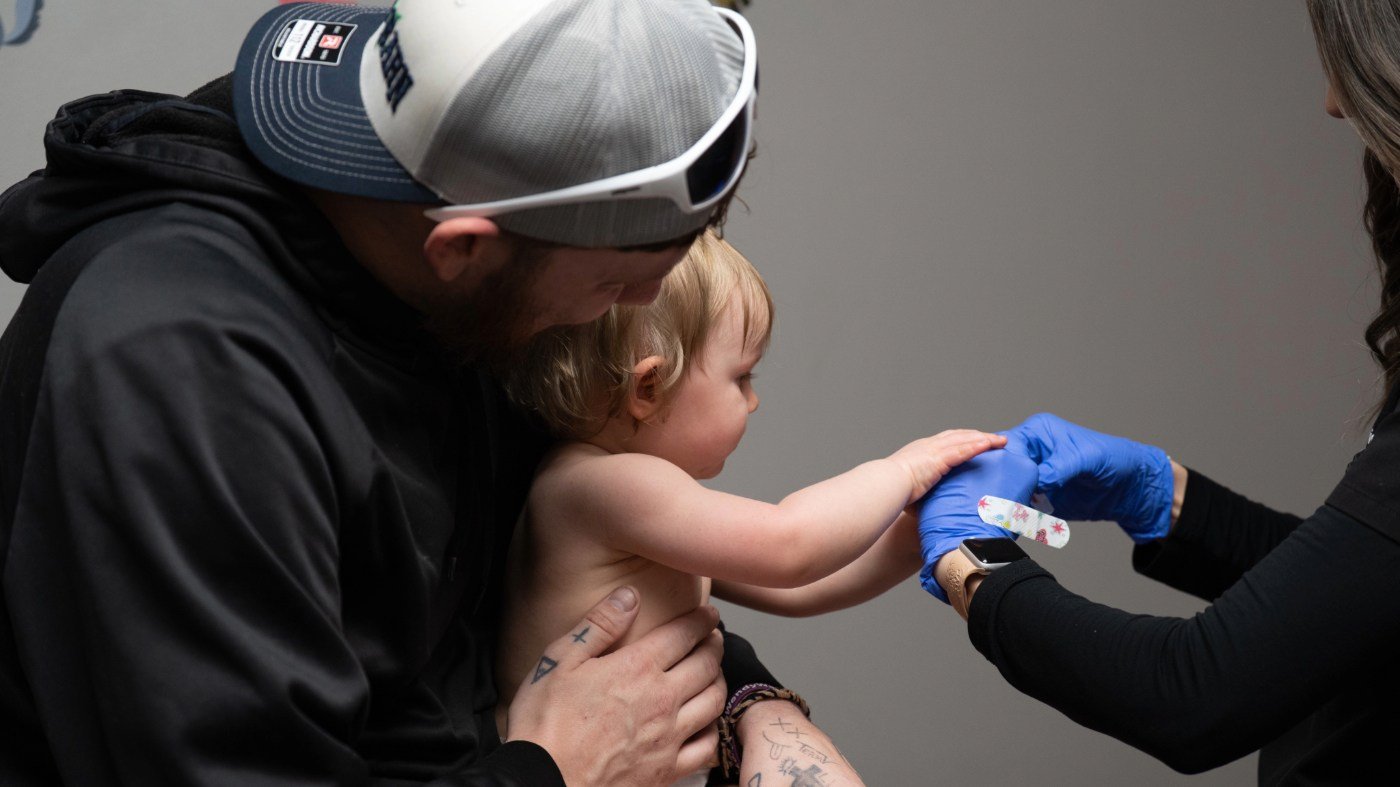
The United States has officially lost its measles elimination status, a stark reversal of a public health achievement that had stood for more than two decades. The Pan American Health Organization's announcement confirms what many epidemiologists had feared: a disease once effectively controlled is now spreading again, and the consequences are being borne by the most vulnerable.
Earlier this year, public health experts warned that turmoil in vaccine policy was increasing the risk of a resurgence. That warning has now been realized. As of Nov. 12, the Centers for Disease Control and Prevention reported 5,412 confirmed cases and 591 hospitalizations. State authorities have reported at least 10 deaths, though the CDC's published tally lists only six, raising questions about the transparency of national reporting.
The loss of elimination status is not just a symbolic setback. It means that measles is now considered endemic again, and sustained transmission is occurring. This is a dramatic shift from 2000, when the U.S. had eliminated endemic measles, thanks to high vaccination coverage and robust public health systems.
Measles is one of the most contagious infectious diseases known, and it poses particular risks to infants too young to be vaccinated, pregnant women, and people with weakened immune systems. Clinicians are now encountering cases and complications they rarely saw before, including measles in pregnant women and infants infected before birth.
Vaccine Policy Under Scrutiny
The reversal is directly linked to declining vaccination coverage, driven by misinformation and eroding public trust in health agencies. While these trends predate the current administration, Health and Human Services Secretary Robert F. Kennedy Jr. has come under fire for his role in reshaping vaccine policy. Under his leadership, the entire Advisory Committee on Immunization Practices, which advises the CDC on vaccine recommendations, was replaced.
Critics argue that these changes undermine the scientific rigor and independence of vaccine recommendations. The committee's decisions affect millions of people, and any perception of political interference could further erode public confidence.
Public Health System Under Strain
The measles outbreak is a warning sign for the broader state of U.S. infectious disease prevention. The same weaknesses that allow measles to spread—underfunded health departments, reduced workforce, and disrupted communication—will leave communities vulnerable to other threats.
Outbreak response requires a coordinated effort: health departments must identify cases, trace contacts, and reach exposed individuals; laboratories need resources to test samples; and clinicians need timely guidance. Yet recent workforce reductions and funding cuts have weakened these capacities.
Reversing this course will require action across the public health system. Federal and state leaders must communicate clearly about vaccination, counter misinformation, and protect access to immunization. Congress must provide sustained funding for health departments and outbreak response. The CDC and other scientific institutions must maintain independent, transparent, evidence-based decision-making.
As the outbreak toll climbs, the stakes are clear. Children should not suffer from a disease we know how to prevent. Families should not experience devastating and preventable loss. Policymakers at every level have a responsibility to act.
For more on the political fallout, see Democrats' criticism of the administration and the CDC's stance on measles strategy.