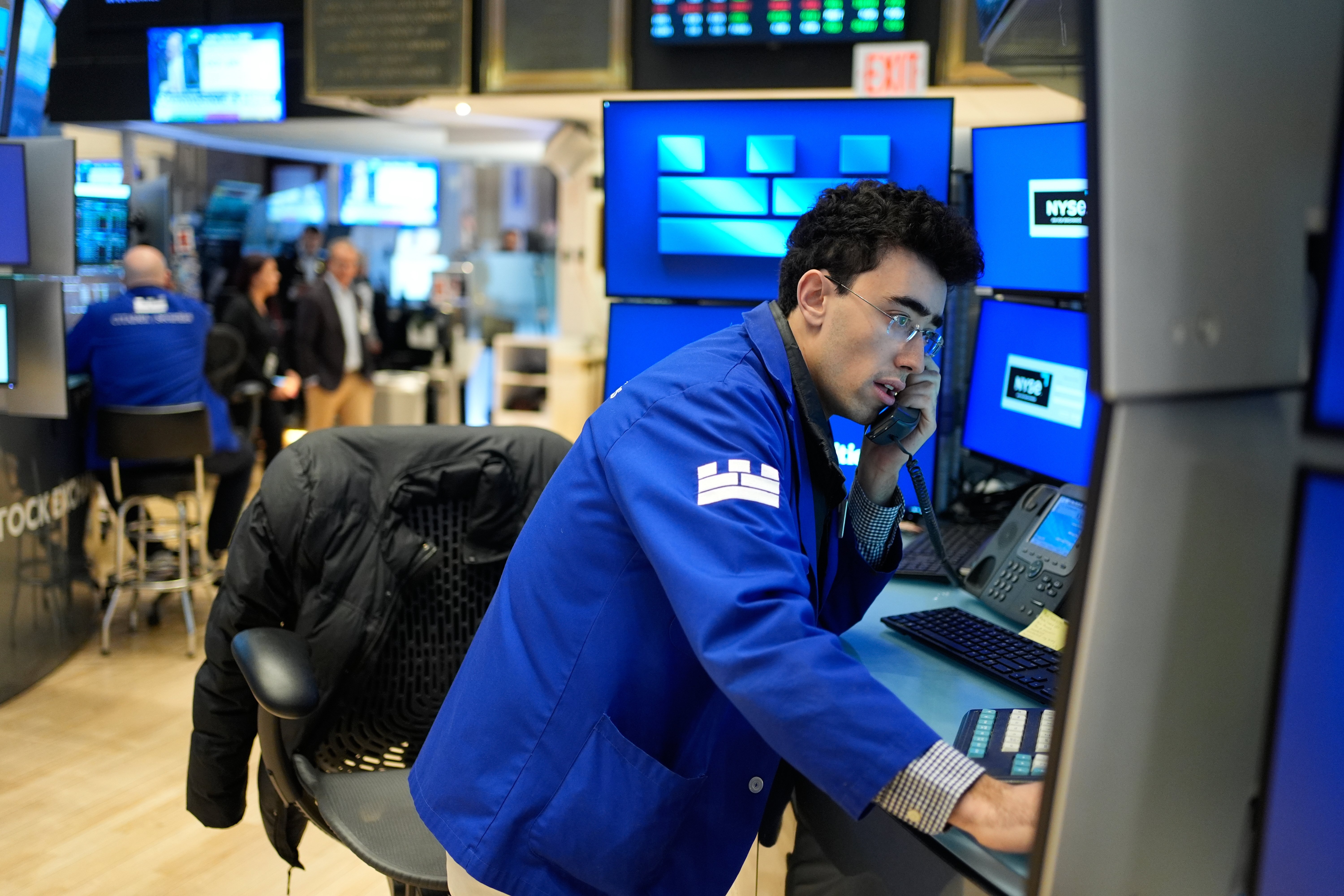
U.S. equity markets opened sharply higher Friday, propelled by two significant geopolitical developments in the Middle East that investors interpreted as reducing immediate risks of a broader regional war. The gains followed the activation of a ten-day ceasefire between Israel and Lebanon and an announcement from Tehran that the critical Strait of Hormuz was fully open to shipping.
The S&P 500 index rose 1.1 percent in early trading, while the technology-heavy Nasdaq Composite climbed 1.4 percent. The Dow Jones Industrial Average posted the most substantial gain, advancing 2 percent, or approximately 987 points, by mid-morning Eastern Time. This rally extended a record-setting streak for the S&P and Nasdaq earlier in the week, reflecting building market optimism that a nearly two-month-long period of heightened military confrontation was winding down.
Ceasefire Takes Effect Amid Diplomatic Maneuvering
The market upswing was directly linked to the start of a temporary truce between Israel and Lebanon, a deal announced by former President Donald Trump following negotiations in Washington. The agreement for a pause in hostilities came after seven weeks of conflict that had threatened to destabilize the region further and complicate a separate, fragile two-week pause between the United States and Iran.
However, the announcement was not without immediate diplomatic friction. The Lebanese president publicly rejected the premise of direct talks with Israel, contradicting the characterization of the deal presented by the U.S. administration. This underscored the fragile and contested nature of the diplomatic breakthrough.
Hormuz Reopening Meets Continued U.S. Naval Presence
Adding to the positive sentiment, Iran declared Friday that the Strait of Hormuz, a maritime chokepoint for roughly a fifth of the world's seaborne oil, was "completely open." This statement was aimed at reassuring global energy markets. Despite this, the Trump administration indicated that a U.S. naval blockade of the strait would remain in "full force" pending a more comprehensive, long-term agreement.
The administration's stance highlights the ongoing strategic standoff, even as tensions momentarily ease. The U.S. military has reported compliance with its blockade warnings from numerous commercial vessels, demonstrating the continued operational reality of American pressure in the region.
Market Recovery and the "TACO" Trade Dynamic
Financial markets had absorbed significant losses during the initial phase of the U.S.-Iran confrontation but began a steady recovery in late March. This rebound coincided with signals from the Trump administration that it was seeking a diplomatic off-ramp from the conflict. Analysts have noted the president's acute sensitivity to market performance, which has repeatedly influenced foreign policy and trade decisions.
This pattern has given rise to what traders colloquially term the "Trump Always Chickens Out" or TACO trade—a market bet that the president will ultimately retreat from policy positions that trigger severe market downturns. The strategy first gained prominence during last year's tariff disputes, when proposed import taxes were swiftly put on hold following a sharp market plunge.
The current market rally, therefore, is not solely a reaction to geopolitical events but also a reflection of investor confidence in a recurring political pattern. The perception that the administration will prioritize market stability over prolonged military engagement has provided a floor for investor sentiment during periods of crisis.
Broader Context and Unresolved Issues
While the ceasefire and strait reopening provided immediate relief, significant challenges remain. The ten-day window is brief, and the path to a lasting agreement is unclear. Furthermore, the International Energy Agency has warned European nations face critical fuel supply timelines due to the prior Hormuz disruption, indicating the lasting economic impact of the crisis.
The developments also set the stage for the next phase of diplomacy. Trump has signaled a potential visit to Pakistan as part of efforts to finalize a deal with Iran before the ceasefire deadline, suggesting the coming days will involve intense international negotiation. The market's positive response, while pronounced, remains contingent on these diplomatic efforts yielding a more durable peace.