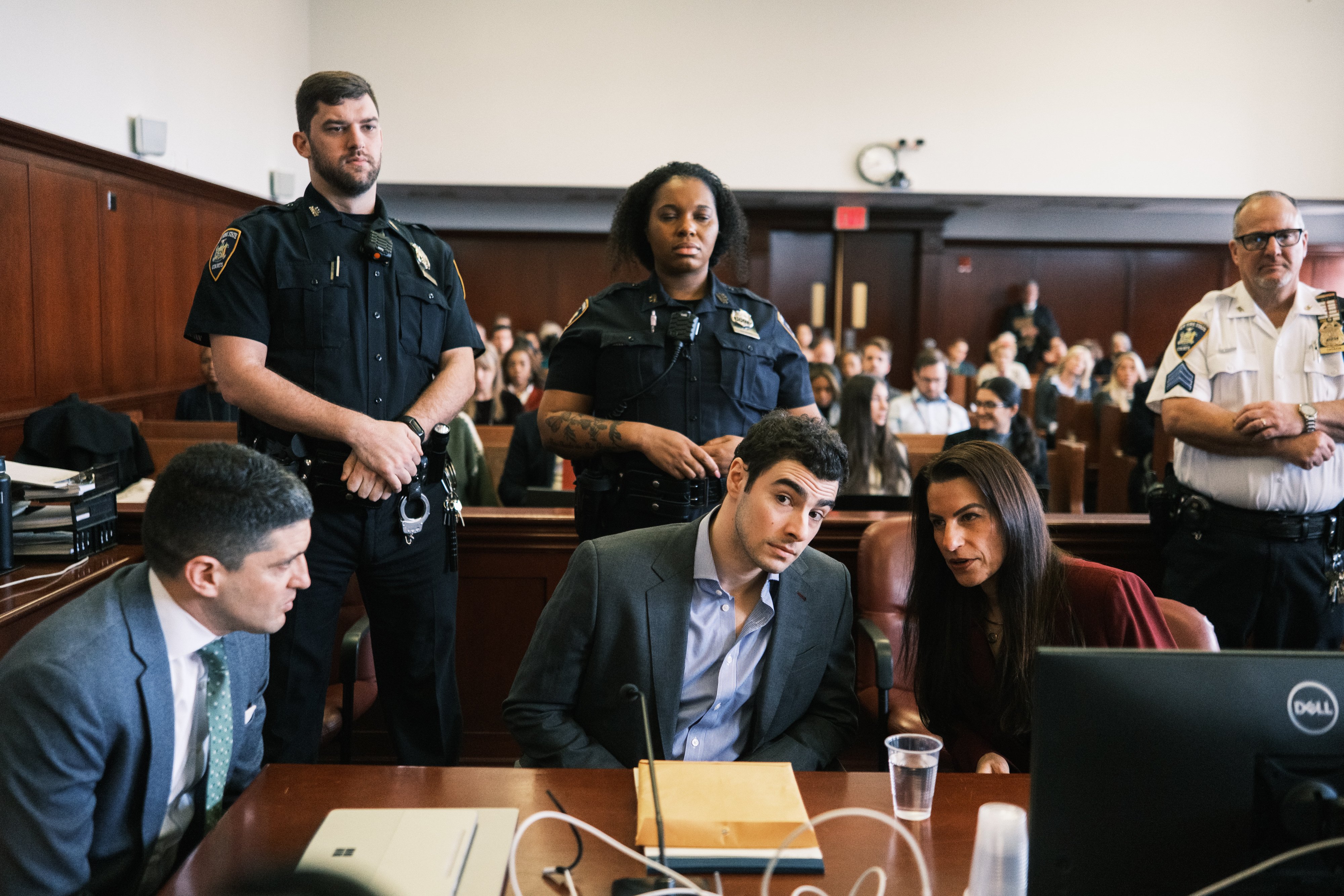
Luigi Mangione appeared Monday in a Manhattan federal courtroom for a pretrial hearing centered on how jurors will be selected in his murder case, as his legal team signaled no plea deal is in the works.
The hearing, part of the dual state and federal prosecutions against Mangione for the alleged killing of UnitedHealthcare CEO Brian Thompson, zeroed in on the mechanics of empaneling a fair jury. Defense attorney Karen Friedman Agnifilo told the court that no plea talks have occurred, according to a letter submitted by both sides.
Jury Questionnaire Prep Underway
Attorneys for the government and the defense said they are ready to discuss proposed juror questionnaires, the trial schedule, and any other matters the judge wants to address. The focus on jury bias reflects the high-profile nature of the case, which has drawn intense media scrutiny and public attention.
Mangione faces separate charges from New York state prosecutors and the U.S. Department of Justice. The federal case adds another layer of complexity, as it involves potential constitutional issues and federal jurisdiction over the killing of a corporate executive.
The case has sparked broader debates about corporate accountability and public safety. In related news, a federal housing bill stalemate leaves mayors waiting for tools to address local crises, highlighting the intersection of policy and justice.
Political and Legal Ramifications
The murder of a major health insurance CEO has become a flashpoint in the ongoing debate over healthcare reform and corporate power. Mangione’s defense is likely to argue that pretrial publicity has tainted the jury pool, a common strategy in high-profile cases. The recent plunge in ACA enrollment after subsidy expiration underscores the volatility of the healthcare landscape that forms the backdrop of this case.
Legal experts say the dual prosecutions could lead to a complex series of trials, with the federal case potentially setting precedents for how corporate crimes are handled. The judge has not yet set a trial date, but the hearing signals that proceedings are moving forward.
Observers note that the case could also influence public trust in the justice system, especially given the political overtones. The Supreme Court’s recent asylum shutdown shows how federal rulings can reshape policy landscapes, a lesson not lost on those following the Mangione trial.
As the legal process unfolds, both sides are digging in. The defense’s emphasis on jury bias suggests a strategy to challenge the government’s narrative from the start, while prosecutors are expected to argue that the evidence is straightforward. The coming weeks will determine whether a fair jury can be seated in one of the most politically charged murder trials in recent memory.