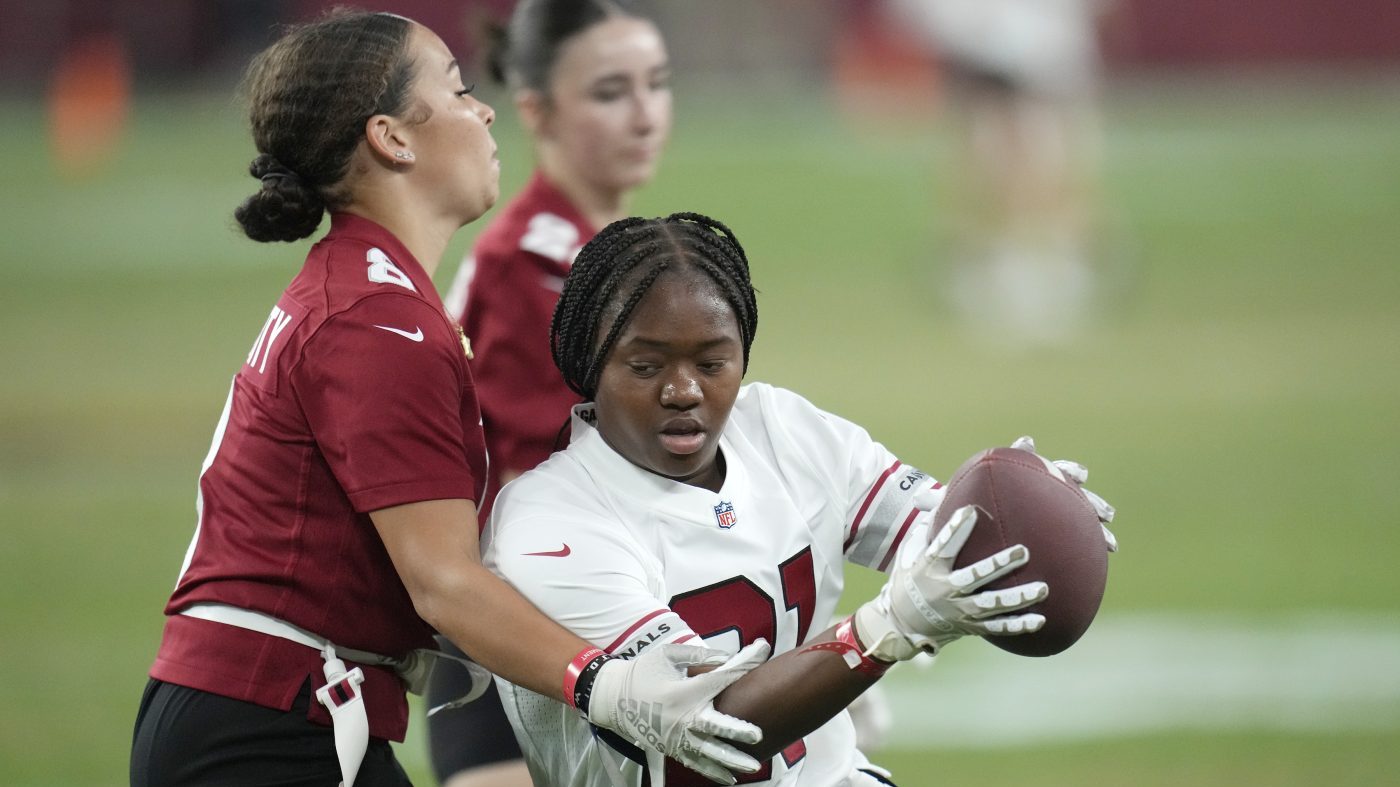
A new poll from The Associated Press and the NORC Center for Public Affairs Research underscores a persistent divide in American youth sports: while parents across the economic spectrum view organized athletics as a vital part of childhood, the cost of participation remains a significant hurdle, particularly for lower-income families.
The survey found that about half of U.S. parents with school-aged children say their kids play a structured sport. But the breakdown by income is stark: roughly seven in ten parents earning at least $100,000 annually report their children are enrolled in organized sports, compared with about four in ten of those earning less. This gap, experts say, reflects a broader issue of access and opportunity that has long plagued youth athletics.

Perceived benefits clash with financial realities
Nearly all adults surveyed—regardless of income—agree that youth sports offer major or minor benefits, including learning teamwork, improving physical fitness, making friends, reducing screen time, and developing resilience. Yet the financial burden often forces difficult choices. Tanisha Curry, a 51-year-old Ohio woman raising her granddaughter, said the costs of volleyball—travel, uniforms, and team meals—strain her budget, but the family pools resources to keep the girl involved. "Kids don't go out and do things anymore," Curry said. "Getting them away from a screen, at least for an hour—it's worth it."
About two-thirds of sports parents estimate they spend up to $2,000 annually on equipment, fees, training, and travel. Notably, more affluent families spend roughly the same amount as lower-income families, which means the expense consumes a larger share of a poorer household's income. A small fraction—about one in ten higher-income families—spend more than $5,000 a year, while almost no lower-income families reach that threshold.
Challenges beyond the checkbook
Scheduling and logistics are the most common hurdles, cited by eight in ten sports parents. Around seven in ten also point to team or club fees, travel demands, and equipment or uniform costs as challenges. Jon Fassnacht, a 47-year-old father in Pennsylvania, said his daughter's competitive swimming has been transformative—boosting her confidence and social skills—but the time commitment is real. "It's just so good for her self-esteem to have that goal setting," he said. "And then there's the social aspect on top of it."
Kathryn Stuczynski, a 37-year-old New York mother of two, said her family prioritizes activities like karate and wrestling over material goods. "Giving my girls life experiences, it's priceless," she said. "I'd rather have the old phone, you know? I'm fine with that."
Policy implications and the path forward
The findings come as lawmakers and advocates debate ways to level the playing field. Some have proposed subsidies or tax credits for youth sports, while others focus on expanding school-based programs. The poll also found that about eight in ten sports parents feel proud or happy about their children's participation, and many hope it could lead to college scholarships—though relatively few young athletes will reach that level.
As the educational divide increasingly shapes American politics, the income gap in youth sports may become a policy flashpoint. Recent congressional attention on college sports legislation and athlete safety suggests that youth athletics are moving up the agenda. Meanwhile, debates over fairness in sports continue to dominate headlines, but this poll highlights a more fundamental challenge: ensuring that all children, regardless of family income, have the chance to play.