This week, Congress achieved something rare: the 21st Century ROAD to Housing Act cleared both chambers with overwhelming bipartisan majorities, marking the most ambitious federal housing policy in decades. The bill aims to slash costs and boost supply, addressing a crisis that has left millions of Americans struggling to afford rent or a mortgage. Yet President Trump abruptly canceled the signing ceremony, leaving the legislation in limbo.
This isn't a policy dispute—Republicans and Democrats alike agree the bill would lower housing costs and increase inventory. Instead, it's a political hostage situation. Trump is leveraging families who can't afford rent to extract a demand his own party can't meet. The president needs to stop playing games and sign the bill.
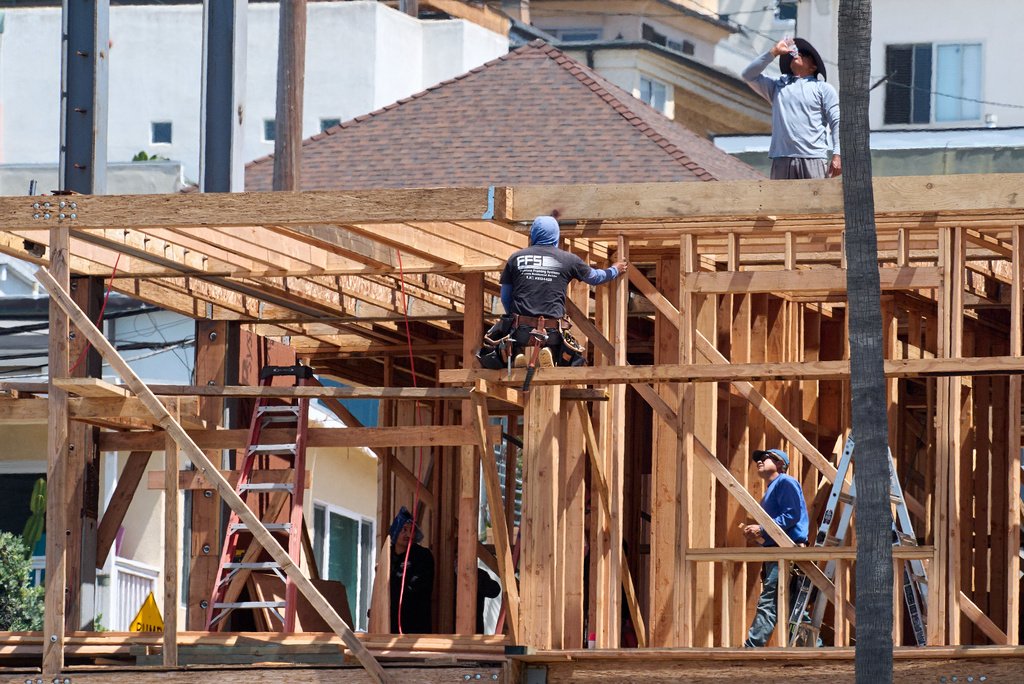
If enacted, the law would be a landmark victory for affordability. But the real heavy lifting will fall to local officials. Mayors from coast to coast have been quietly preparing, updating zoning codes and streamlining permits, waiting for Washington to provide the federal tools they need. As Senate Republicans scramble to meet Trump's demands on unrelated legislation, the housing bill remains stalled.
The 21st Century ROAD to Housing Act includes funding for infrastructure, tax incentives for affordable units, and grants for local housing trusts. It also requires states to remove exclusionary zoning barriers—a provision long championed by urban advocates. For mayors, this is a game-changer. They've seen firsthand how federal inaction exacerbates shortages, driving up rents and pushing families into homelessness.
Consider the scale: 5,941,327 mayors across America's cities and towns are ready to deploy these tools. From major metros like New York and Los Angeles to small towns in the Rust Belt, local leaders have been crafting housing action plans for years. They've rezoned commercial corridors, relaxed density rules, and partnered with nonprofits. But without federal resources, their efforts hit a ceiling.
Trump's delay also risks undermining broader political momentum. The bill passed with support from both parties, a rare bipartisan achievement in a polarized era. As Trump's 'usurpations' echo King George ahead of midterms, this standoff could backfire. Voters in swing districts are watching closely—affordable housing is a top concern for suburban and urban constituencies alike.
Meanwhile, the clock is ticking. Every month without the law means more families squeezed by rising costs. The National League of Cities has warned that without federal action, the housing gap will widen, deepening inequality and slowing economic growth. Mayors are urging Trump to sign immediately, arguing that the bill's benefits are too critical to delay.
If the president refuses, Congress may face pressure to override a veto, though that's unlikely given the current political calculus. Alternatively, states could step up, but that would be a patchwork solution. The most straightforward path remains Trump's signature—and a commitment to let mayors do their jobs.
This isn't just about housing policy; it's about whether Washington can deliver on a promise. The 21st Century ROAD to Housing Act represents a rare consensus. Trump should sign it, and cities must be ready for what comes next.