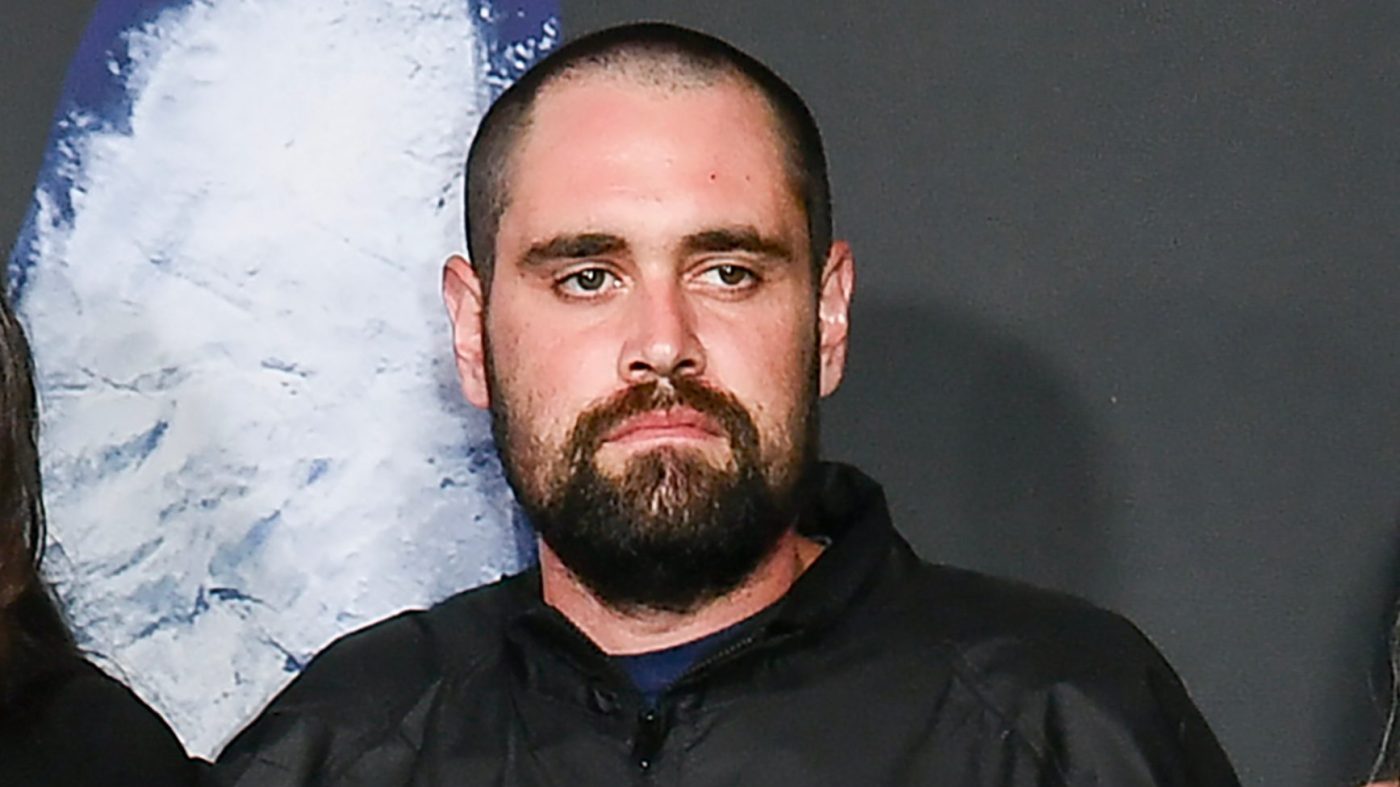
Los Angeles prosecutors have secured a grand jury indictment against Nicholas Reiner, the 32-year-old son of filmmaker Rob Reiner, charging him with two counts of first-degree murder in the December 2025 stabbing deaths of his parents. The indictment, unsealed Wednesday, adds a “lying in wait” special circumstance to each count, a legal finding that could make him eligible for the death penalty or life in prison without parole.
The special circumstance allegation signals that the district attorney’s office believes Reiner deliberately concealed himself and waited for his victims before launching a surprise attack. Under California law, “lying in wait” requires proof of concealment, watchful waiting, and a sudden assault, and it serves as evidence of premeditation and deliberation.
Rob Reiner, 78, and his wife Michele Singer Reiner, 70, were found dead in their Los Angeles home on Dec. 14, 2025, both suffering from multiple stab wounds. Nicholas Reiner was arrested roughly 12 hours later in Exposition Park, not far from the family residence.
Los Angeles County District Attorney Nathan J. Hochman called the killings “a profound betrayal by someone who was loved and trusted by the very people he is accused of killing.” He added that the grand jury’s indictment brings the case “one step closer to a trial and achieving justice.”
Reiner has pleaded not guilty to both murder counts. The indictment was returned on July 20, and he remains in custody without bail. Prosecutors have not publicly identified a motive, though the case has drawn intense media attention given the prominence of the victims.
The “lying in wait” enhancement is a rare and serious escalation in murder prosecutions, as it can transform a second-degree murder charge into first-degree murder and expose a defendant to the harshest penalties available. Legal experts note that proving this allegation requires detailed witness testimony or forensic evidence establishing the defendant’s actions and intent before the attack.
Nicholas Reiner’s defense team has not commented publicly beyond the plea. His next court appearance is scheduled for a pretrial hearing on Sept. 15, where his attorneys are expected to challenge the sufficiency of the grand jury evidence and possibly seek to dismiss the special circumstances.
The case has also revived broader conversations about violence within celebrity families and the legal system’s handling of high-profile defendants. While the Reiner family has remained largely private during the proceedings, the indictment marks a significant step in a case that has captivated the public and the entertainment community.
Hochman’s office has emphasized that the grand jury process was thorough and that the evidence presented was sufficient to support the charges. The district attorney’s decision to pursue the death penalty has not yet been announced; under California law, the special circumstance makes Reiner eligible, but the ultimate decision rests with the DA.
As the case moves forward, observers will be watching whether the defense can undermine the “lying in wait” theory, which is often difficult to prove. The pretrial hearing next month will provide the first opportunity for the court to assess the strength of the prosecution’s case.